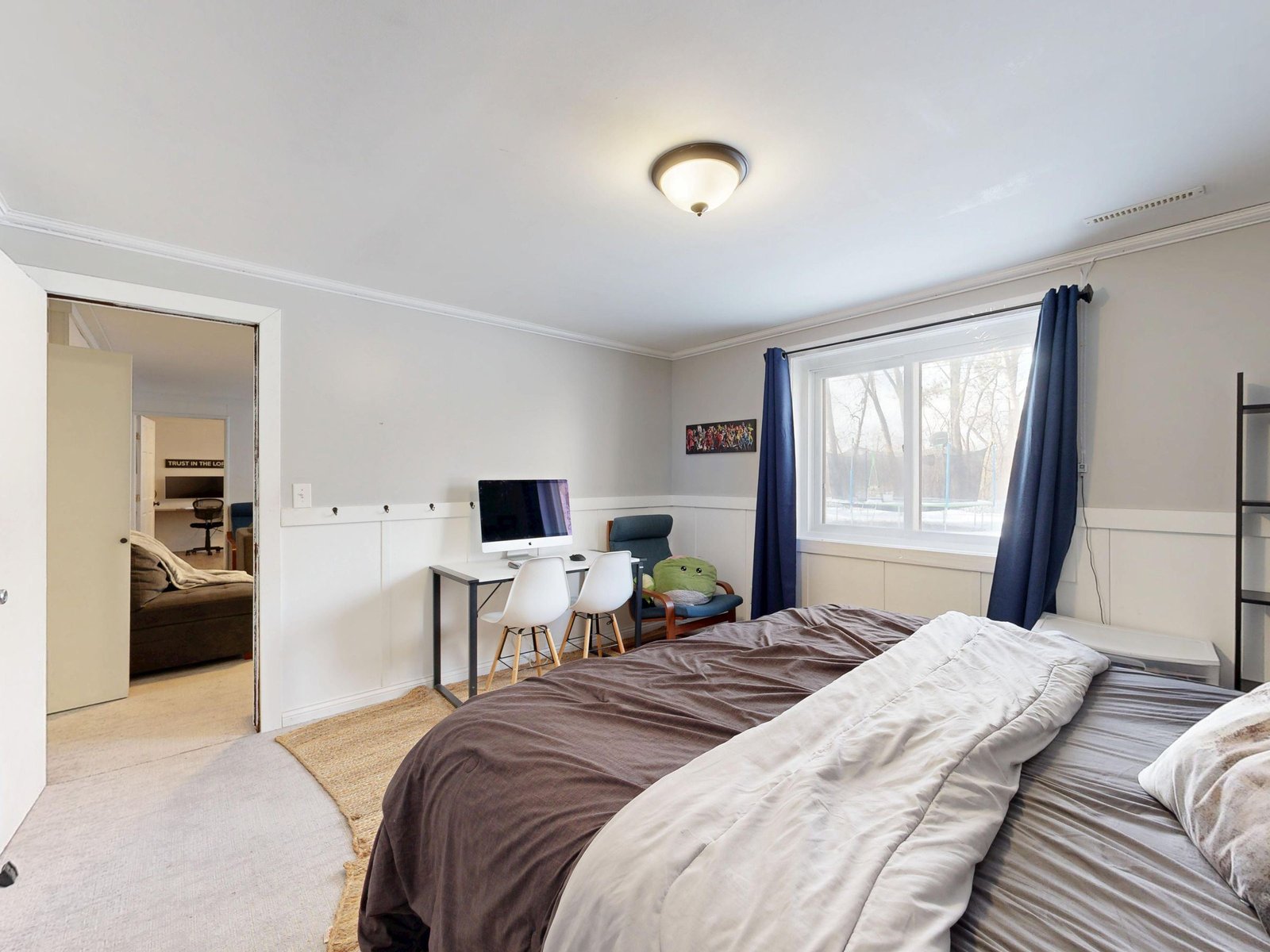

Sober living relationship rules vary widely from one home to the next. There is no single dating rule that applies everywhere. A residence’s policies for current residents may differ from its rules for admitting a couple or sharing a room.
Because these details matter, ask for the current policies in writing before you commit to a lease or move-in date. For baseline expectations, see our guide to general sober living house rules. That resource covers common standards for curfews, chores, and guest limits.
This directory’s editorial team researches information for readers. We are not a treatment provider. Always confirm the home’s relationship rules separately from its policies for prescribed medication. These are distinct categories of care and housing.
Guidelines for Sober Living Homes: How Policies Work
When you ask about dating or guests, look at the home’s written rules. There is no single national law that sets one relationship policy for every sober living house. Each residence creates its own guidelines for sober living homes. Those documents are the starting point for your questions.
Recovery is a personal journey. It is defined as a process of change where people improve their health and wellness and pursue self-directed lives.[1] Everyone’s path is different. Some people choose clinical treatment, while others lean on peer support or faith-based approaches.[1] A sober living home supports this personal growth by providing a structured environment. However, it does not replace your personal choices about relationships.
Oversight varies, so you may find differences in how strictly rules are enforced. Some states require homes to be certified or licensed, while others operate in a regulatory gap.[2] This means one home might have strict guest limits and another might be more flexible. Always read the lease and ask the manager directly before moving in.
Where House Policies Meet Housing Rights
Sober living homes have rules. But those rules do not erase all housing rights. The Fair Housing Act bans disability discrimination in many homes. Some people recovering from addiction may be protected. However, the law has specific conditions and exclusions.

You might ask for a reasonable accommodation. This is a request to change a rule due to a disability-related need. It helps you use the housing equally. But it does not guarantee your partner can move in. It also does not guarantee you can share a room. Each request is looked at on its own.
If you think you faced illegal discrimination, time matters. There are strict deadlines to act. These deadlines apply to possible Fair Housing Act claims. They do not apply to normal arguments about house rules. Laws are complex, so talk to a lawyer or legal aid group about your case.
Dating a Resident Is Different From Applying as a Couple
Rules about who can date are not the same as rules about who can move in. A home may allow residents to date one another but still not admit partners together. Or it may admit couples but require separate rooms. Treat each question as its own policy.
| Situation | What it means | Policy to ask about | Confirm in writing |
|---|---|---|---|
| Two residents date each other | Both people already live in the home | Resident dating and intimacy rules | Whether dating is allowed, and what happens if a relationship ends |
| An outside partner visits | A nonresident comes for a visit | Guest and overnight visitor rules | Visit hours, overnight limits, and privacy expectations |
| A couple applies together | Both partners want to move in at the same time | Admission criteria for couples | Whether both must apply, be assessed, or meet separate requirements |
| Partners share a bedroom | Two people want to live in the same room | Room assignment and occupancy limits | Whether shared rooms are offered, and any exceptions or fees |
If you are asking about housing rights, note that a disability-related accommodation request may involve changing a house rule. The home evaluates the request in context. It does not guarantee a specific outcome.
Dating Within the Home
Ask whether residents may date one another. Ask whether intimacy is covered by a separate rule. Ask what happens if two residents start seeing each other after moving in. Find out if the policy applies to everyone equally, and how staff handle breakups or conflicts between residents.
Applying or Sharing a Home as a Couple
Do not assume that permission to date a current resident means your partner can move in. Ask whether the home admits couples at all. Ask whether partners can share a room or must have separate rooms. Ask whether each partner needs to apply or be assessed on their own. For more on this topic, see our guide to sober living for couples.
Visitors, Privacy, and Intimacy Need Separate Answers
Sober living relationship rules vary widely. You need clear answers on five topics. Ask about daytime visits, room access, overnight guests, private spaces, and contact between residents. Also ask who can approve exceptions to these rules.

Privacy matters just as much as access. Ask how the home protects your privacy. Ask how to report pressure, harassment, or abuse confidentially. For broader questions about guests, read our guide to family visitation policies. If you are checking shared housing, our safety guidelines for women can help you spot red flags.
What to Confirm Before You Move In
Before you pay a deposit, ask for the current written policy. Verbal promises can change. So ask whether any exception will be added to your agreement in writing.
Policies vary widely from house to house. A sober living house rules template might cover some topics but leave others out. Use this checklist to confirm what actually applies to you.
Relationship Policies to Confirm Before Moving In
Your ticks are saved on this device only.
For a fuller list that covers tours, fees, and daily life alongside these relationship questions, see our guide to questions to ask before moving in.
What Happens If a Rule Is Broken?
Consequences depend on the home’s own policies. So, they vary from place to place. Breaking a relationship rule does not automatically mean you lose your bed. Some homes may offer a warning or a meeting first. Others have stricter steps. Because rules differ, ask about enforcement before you move in.

Find out who reviews a reported violation. Ask if you can explain your side of the story. Check if there is a written grievance or appeal process. This way, you know how to raise concerns fairly. Consistency matters, too. Ask how staff apply rules to all residents equally.
If your concern involves housing discrimination or harassment by the provider, that is different from an ordinary house-rule disagreement. For those issues, look into external complaint routes through fair housing agencies. Do not rely only on internal house meetings for these serious problems.
Consent and Safety Come Before House Policies
Being in a relationship does not take away your right to set boundaries. You always have the right to say no. No house rule, lease, or partner expectation can override your consent.
When you tour a facility, ask how they handle reports of pressure, harassment, threats, or abuse. Find out who receives these reports, and what privacy limits apply. You deserve clear answers about how your safety is protected in shared housing.
If you need help planning for your safety, contact the National Domestic Violence Hotline for information and support. This resource can help you think through options, but it does not replace emergency services. If you are in immediate danger, call 911 or go to the nearest emergency room now.
For many people, finding safe sober living options for women involves asking direct questions about staff training and reporting procedures before moving in. Trust your instincts if a home seems dismissive of these concerns.
Ask About Prescribed Medication and Compare Your Options
Relationship rules and medication rules are separate topics. But both matter when you choose a home. Do not assume that a house bans prescribed treatment. Policies vary widely from one facility to another.

Before you commit, ask how the home handles prescribed medication. This includes medications for opioid use disorder. If you have questions about your treatment, talk with your prescriber. Never stop or change a medication because of a house rule without speaking to your doctor first. To learn more about what to expect, read our guide to medication-assisted treatment policies.
Use this check to see if a home has given you enough clear information. This is a policy-readiness check. It is not a legal assessment or a judgment about a home’s safety.
Is This Home’s Policy Clear Enough to Decide?
This self-check is for information only and isn't a diagnosis.
Frequently Asked Questions
Can residents date each other in a sober living home?
Sober living relationship rules vary widely. There is no single answer for every home. Ask for the current dating policy. Also ask if it treats resident relationships differently from outside ones. Finally, ask how the home shares policy changes and handles exceptions.
Can an unmarried couple live together or share a room in sober living?
Couple admission and room sharing are separate questions. They differ from whether residents may date. Ask about admission rules, room assignments, and limits on people per room. Also ask about any exception process. See our dedicated couples guide for the broader housing question.
What if a partner pressures, threatens, or controls me?
Ask how the home handles reports of abuse or control. Find out how to reach a trusted staff member or outside support service. The home’s relationship policy does not replace your personal safety needs. If you are in immediate danger, call 911 or go to the nearest emergency room now.
Can a sober living home refuse prescribed medication for opioid use disorder?
Ask for the written medication policy first. Discuss any concern with your prescriber before making a treatment decision. In covered contexts, people with opioid use disorder who take prescribed medication may have disability protections. However, that does not determine every residence-specific question.
What can I do if a housing policy seems discriminatory or a housing provider sexually harasses me?
Ask about the home’s written complaint process. Keep a record of the policy, communications, and dates. A potential housing discrimination concern is different from an ordinary disagreement over house rules. Consider contacting HUD or a qualified legal professional for help with discrimination concerns.
How can I check a home’s relationship policies before moving in?
Request the current rules in writing first. Ask the home to explain any unclear terms before you pay or sign an agreement. Confirm that the written policy covers dating, couples, visitors, privacy, and enforcement. Also check that it includes any exceptions you were told about.