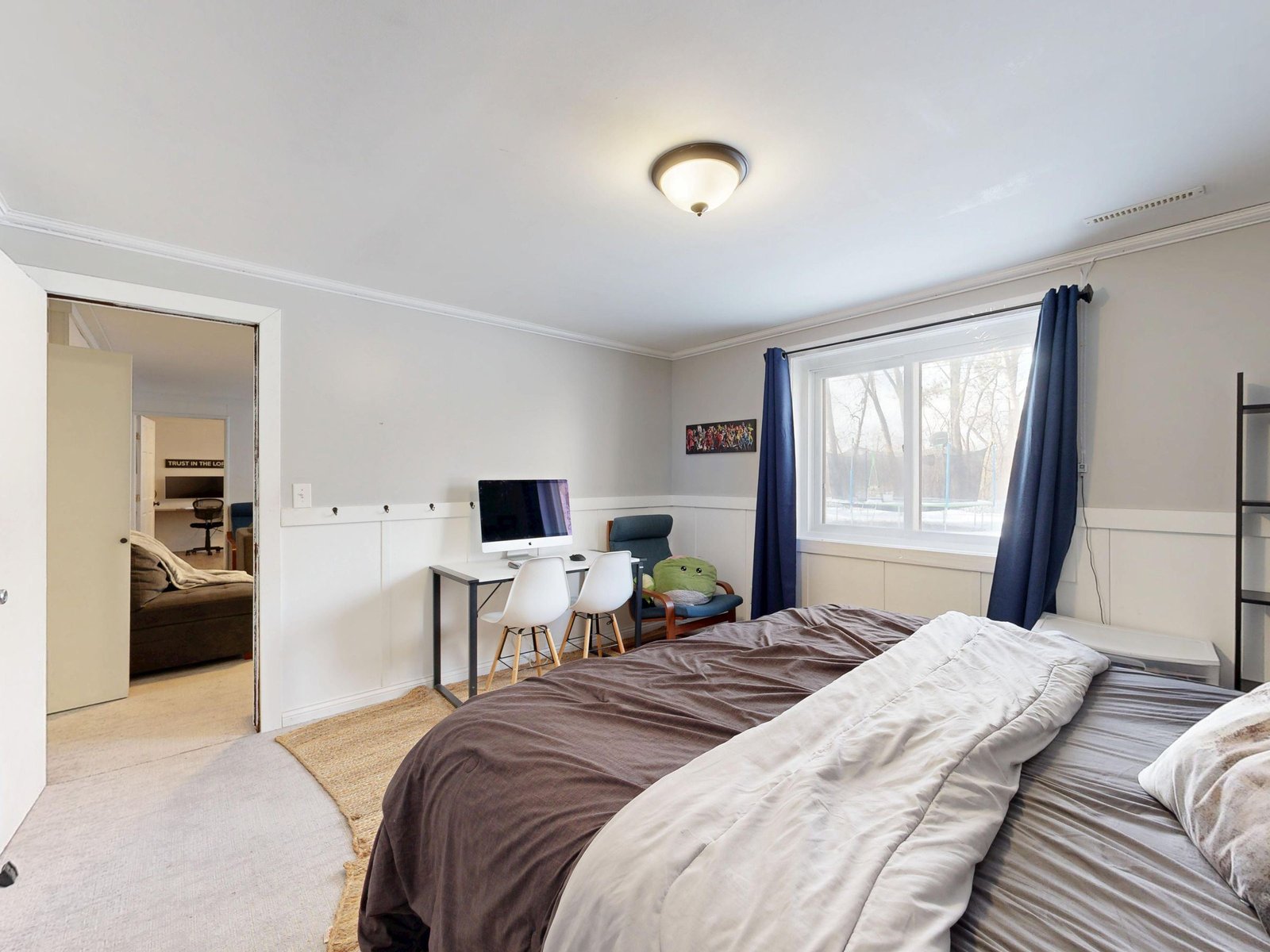

You can afford sober living with no income, but it takes planning. First, ask the home for its full move-in and monthly costs. Get these numbers in writing.
Then, contact a case manager. You can also dial 211 for local resources. Reach out to local housing services to ask about possible help.
Remember that insurance or Medicaid coverage for clinical treatment does not automatically pay for sober-living rent. Funding rules and eligibility change depending on where you live.
We are a U.S. treatment directory publisher, not a treatment provider. This guide is based on public sources and is not medical review. It separates housing costs from clinical treatment costs. It offers a practical sequence for asking about assistance when you want to afford sober living with no income.
Recovery Housing and Sober Living: What the Terms Mean
You may wonder what is recovery housing. It is a broad term for places that support your recovery by keeping the environment free from alcohol and non-prescribed drugs. These homes help you stay stable while you build a new life. Being "substance-free" does not mean you must stop taking prescribed medications, such as those for opioid use disorder. Always check a home’s medication policy and talk with your prescriber before making any changes to your treatment.
Sober living is a common name for these recovery residences. But the terms are not fixed. Services and rules vary from home to home. Some homes offer peer support and clear house rules. Others may connect you with outside treatment. A recovery residence is not a clinic. It provides housing, not medical care.
Knowing the difference helps you ask good questions. You can check what support each home offers. This ensures the home fits your needs right now.
4 levels
of recovery residence support recognized by NARR[1]
30%
of adjusted income often used for Housing Choice Voucher rent calculations[2]
Costs can be confusing, so check the details carefully. Under the Housing Choice Voucher Program, tenants often pay 30 percent of their adjusted income for rent and utilities.[2] But this math does not mean every sober living home takes vouchers. Always ask each home directly about their payment rules.
First Steps When You Have No Income
Finding a place to live when you have no income can feel overwhelming. You do not need a job or savings to start looking. The goal right now is to map out your options and find financial help for recovery housing.

Start by identifying exactly what kind of housing gap you need to fill. Do you need a bed tonight, or are you planning for the next month? Once you know your immediate needs, reach out to people who can help you navigate the system.
- Write down what you need. Note the amount of rent you can cover, if any, and whether you need help with move-in costs like deposits or fees.
- Get written cost details. Before you commit to any home, ask for a written breakdown of move-in costs and monthly rent. Do not rely on verbal promises or unapproved funding sources.
- Ask about local aid before committing. Contact your case manager or call 211 to ask about local financial assistance programs that might help cover these costs.
- Negotiate terms with the home. Ask the sober living home if they offer deferred payments, reduced initial costs, or written payment plans. Be honest that you are currently unemployed but committed to recovery.
- Identify confirmed support. Determine if you have any confirmed benefits or family support available. Remember that federal grants are typically for organizations, not individuals, so do not count on them for personal housing costs.[3]
- Keep a follow-up list. Track who you spoke with, what they said, and when you should call back. Check often to see if referrals are still available, as waitlists change quickly.
A Flexible Path Forward
There is no single timeline for securing housing without income. Your path may move fast or slow depending on local resources and your specific situation. Use this sequence as a guide, not a schedule.
Day 1-3
Identify your immediate housing need and gather any documents you have (ID, discharge papers). Write down the specific type of financial help for recovery housing you are seeking.
Week 1
Contact your case manager or discharge planner for referrals. Call 211 and local housing navigation services to understand what programs are active in your area.
Week 2
Begin calling sober living homes directly. Ask about their acceptance of vouchers, sliding scales, or family contributions. Compare written costs and house rules carefully.
Ongoing
Follow up on applications every few days. If a waitlist forms or your work-readiness timeline changes, reassess your options and expand your search radius if possible.
Important Realities
A referral is not an approval or a promise of funding. Local resources shift, and eligibility rules can change without notice. If one door closes, keep knocking on others.
If you are not ready to work yet, say so clearly when asking about short-term housing and recovery support. Many programs understand that recovery takes time before employment becomes realistic. Delaying the search until you have a job often leads to longer periods of instability.
For more detailed guidance on navigating costs without employer coverage, read our guide on affordable sober living without insurance. To learn more about how homes screen applicants and manage space, see our article on finding a sober living home.
Sober Living Housing Costs and Move-In Questions
Knowing the full price tag helps you plan. Sober living housing costs vary widely, so ask for every number in writing. Some homes charge a flat monthly rate. This rate might include utilities and food, but others bill them separately. You may also face one-time charges, like an application fee or a security deposit.
If you have no income right now, ask if the home offers any flexibility. Assistance with rent or deposits varies by home; some may offer reduced or waived deposits, rent assistance, or third-party payment arrangements, while others do not. Ask directly about these options before applying. Some places allow a delayed first payment, a short-term payment plan, or a sliding scale. These options aren't guaranteed, but asking is free and important. When you ask, request written terms and ask what documentation is required to qualify for any flexibility. For a deeper dive into these conversations, see our guide on questions to ask about payment plans.
Costs to Confirm Before You Apply
Your ticks are saved on this device only.
What the Home’s Fees Mean for Its Operator
It’s natural to wonder where your money goes. The rent and fees a home collects are not automatically profit for the owner. Running a recovery residence involves significant operating costs. These costs include property maintenance, utilities, insurance, and staffing. State affiliates of the National Alliance for Recovery Residences (NARR) provide voluntary certification for homes that meet quality standards.[1] These standards often require specific levels of support and safety, which cost money to maintain.
When you look at sober living move-in costs, focus on what the fee covers for you. Ask if the price includes 24-hour supervision, drug testing, or recovery coaching. Clear terms help you understand if the home is sustainable and transparent. You don’t need to calculate their profit margin to make your decision. You just need to know if their terms are fair and clear for your budget.
What Insurance and Medicaid May Cover
It is important to know the difference between paying for housing and paying for care. Insurance often covers clinical treatment. However, it rarely pays for housing costs like rent. This distinction can be confusing when you try to afford sober living no income.

Here is a breakdown of what different charges mean. It also shows what to verify with your provider.
| Charge Type | What It Generally Refers To | What to Verify |
|---|---|---|
| Sober-Living Rent | Monthly fees for room, board, and utilities. | Medicaid generally does not pay for room and board in residential substance use disorder treatment facilities.[4] Ask if any exceptions apply to your situation. |
| Clinical Treatment | Medical services like assessments, counseling, medication-assisted treatment (MAT), and medication management. | States may choose to cover these services under various Medicaid benefits.[5] Check if your state covers the specific services you need. |
| Combined Programs | Treatment services delivered alongside a housing program. | Marketplace plans must cover substance use disorder treatment as an essential health benefit.[6] Confirm exactly which services are included in your plan’s network. |
Coverage rules vary by state, plan, and service type. Federal parity laws protect you if your plan covers mental health or substance use disorder benefits. These laws generally require that financial requirements and treatment limitations for these benefits are no more restrictive than those for medical and surgical care.[7] However, parity does not guarantee coverage of every service or housing cost, and these laws do not force every plan to offer these benefits in the first place.[7] Always check your specific policy details.
When you speak with a sober living home, do not settle for "we take insurance." Ask them to break down the bill. Identify which line items are for clinical care and which are for housing. Request a clear explanation of benefits from your insurer to see what they will pay for. You can check your insurance benefits online or by calling the number on your member ID card.
If you have Medicaid, look specifically for sober living homes that accept Medicaid. Not every home accepts it. Those that do may still require you to pay for room and board separately if the state does not reimburse those costs. Getting this clarity upfront helps you avoid surprise bills later.
Financial Assistance for Recovering Addicts
Finding financial assistance for recovering addicts takes patience. Local agencies may help with housing navigation, public housing programs, community services, or recovery-support referrals. However, no agency guarantees that you will receive money or a placement.
Financial Assistance for Sober Living in Florida
If you live in Florida, start by calling 211 Florida. Ask specifically about housing navigation, recovery-support resources, and local referrals in your area.
Remember that a referral is not a promise of help. It does not guarantee a spot in sober living or rent assistance. You must confirm current eligibility and availability directly with each program.
Housing Grants for Recovering Addicts
Many people search for housing grants for recovering addicts, but most federal grants do not work this way. Federal grants are generally awarded to organizations, such as nonprofits or universities, rather than given to individuals for personal expenses.[3] When you look at grant opportunities, check who is eligible to apply and what expenses are covered. Look closely to see if the funds can be paid directly to a housing provider or if they only cover specific program costs.
While direct housing cash is rare, some organizations offer awards that help with treatment costs. You can read more about grants and scholarships for treatment on our site. Keep in mind that these awards are separate from housing assistance and may have different rules.
Which Funding Contact Should I Try First?
This quiz routes you to likely contacts but does not determine eligibility or guarantee assistance.
How People Afford Rehab
Figuring out how do people afford rehab can feel hard. This is true, especially if you have no income right now. Many people use a few different resources to pay for care. Common ways include private insurance and Medicaid, if you qualify. State-funded programs and provider aid also help. Some groups offer grants and scholarships for treatment, which can lower costs.
Clinical care funding often differs from housing funds. A scholarship or state benefit usually covers therapy, counseling, or detox. It rarely pays for sober living rent. Check the exact rules of any award or benefit. Look closely at what expenses are covered. Do not assume treatment money will pay your housing bill.
If you lack insurance, explore paying for treatment without insurance options. Many centers use sliding scale fees, based on what you can pay. You can also search for local resources at FindTreatment.gov.[8] This tool helps you find substance use treatment services near you. When you call a center, ask about payment plans. Ask if they accept outside funding sources too. Be clear about your finances early on. This helps you avoid surprises later.
How to Apply for Sober Living Housing
Finding a sober living home takes a few careful steps. Start by comparing a handful of homes in your area. Ask each one about their admission requirements. Ask if they require you to have a job. Also ask if they consider other income sources, like disability or family support.

Request a full breakdown of costs. This includes rent, deposits, and any shared expenses. Read the house agreement carefully before you pay anything or move in.
Requirements vary widely from one home to another. Some may need a referral from a treatment center, while others accept self-referrals. Use the checklist below to track what each place asks for. Not every home will need every document listed here.
What to Gather and Confirm Before Applying
Your ticks are saved on this device only.
Once you have this information, you can make a clearer choice about which environment feels right for your recovery goals. If you are ready to start looking at options in your area, you can browse sober living programs near you in our directory. Always verify current fees and admission criteria directly with each facility before making plans.
Frequently Asked Questions
Can a housing voucher help pay sober-living rent?
Possibly, but not automatically. Housing Choice Voucher assistance is tied to an eligible rental unit and a participating owner, and the unit must meet program requirements.[9] Ask the public housing agency and the sober living home directly whether that specific home and unit qualify before you rely on voucher funding.
Does Medicaid ever cover housing-related recovery services?
Some Medicaid home- and community-based services authorities may cover specified housing-related supports.[10] However, room and board is generally subject to separate restrictions, so Medicaid does not typically pay for ordinary sober-living rent or meals.[10] Ask your state Medicaid agency which services and costs are covered in your specific program.
How much money does a sober living house make?
There is no reliable national earnings figure that applies to every home. Resident fees are not the same as an operator’s take-home income, because costs, occupancy rates, and the home’s operating arrangement all affect profit. You cannot assume a home’s price reflects its margin or quality.
How can I tell if a grant offer is legitimate?
Verify the organization using contact information from its official website, not just the details in the offer. Do not send gift cards, wire transfers, or cryptocurrency to release grant money. Legitimate grants do not require upfront payments to access funds.
What documents might a public housing agency ask me for?
Requirements depend on the program and agency, so ask for the current document list before applying. A public housing agency may need information to verify household size and income eligibility. Gather records like identification, income statements, and residency history if requested.
Who pays for a sober living house?
The payment arrangement depends on the home and your situation. Ask whether the resident, a family member, or another funding source is expected to pay each charge. Confirm who remains responsible for any balance if assistance or a third-party payment does not come through.