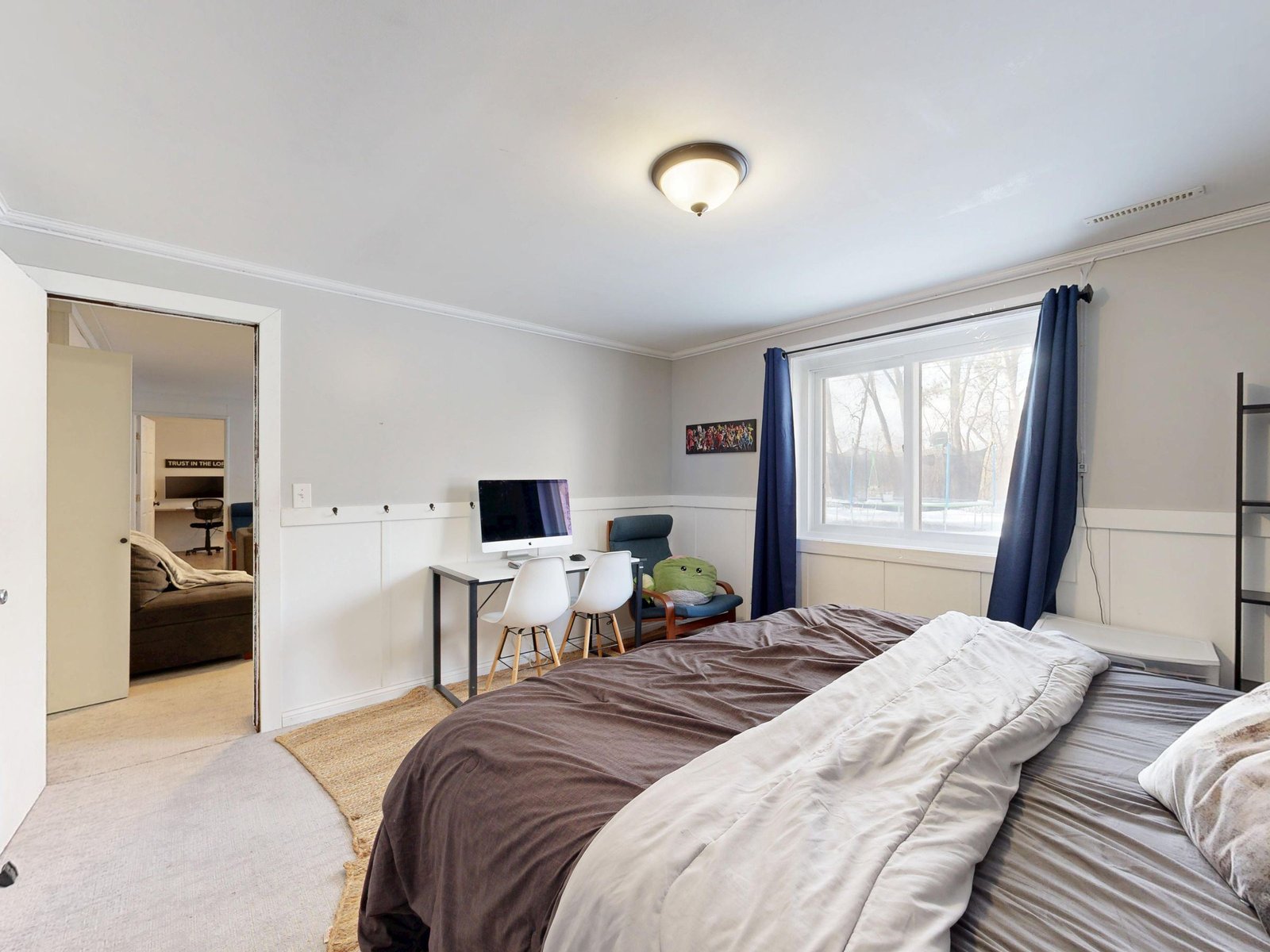

Sober living house rules vary from one home to the next. When you compare homes, look for the current written policies. Common topics include substance use, curfews, visitors, meetings, chores, work, medication, and rent.
Because policies differ, read the actual agreement first. That helps you decide if a residence fits your needs. This guide focuses on comparing policies and knowing what to confirm. It does not cover general home-safety checks or a full intake process.
We are a U.S. treatment directory publisher, not a treatment provider.
Common Rules—and Why They Differ
Sober living home rules are not set by one national law. Each house writes its own guidelines. These often come from the home’s recovery model and local laws. Policies vary a lot, so you cannot assume one home’s rules apply to another. Always ask for the current written handbook before moving in.
Two major frameworks help explain why homes differ. The National Alliance for Recovery Residences describes four levels of recovery residences, ranging from peer-run to clinically supported. SAMHSA’s recovery framework highlights four dimensions: health, home, purpose, and community. These figures describe broad categories, not a universal rule list.
The term "sober living" is sometimes used for "halfway house," but they can describe different models. For a fuller comparison, read our guide on sober living vs halfway house.
Comparing Policy Areas
Use this table to see what might be expected versus what you need to confirm in writing. Remember that every policy example listed here is residence-specific.
| Policy Area | Examples a Home Might Set | What to Confirm in Current Written Rules |
|---|---|---|
| Substance Use & Testing | Random urine screens; zero tolerance for alcohol or drugs. | Frequency of tests; who pays for them; consequences for a positive result. |
| Curfew & Visitors | Nightly curfews; guest limits; no overnight visitors. | Exact curfew times; rules for family visits; exceptions for work or school. |
| Meetings & Daily Life | Mandatory 12-step or SMART Recovery meetings; chores; employment requirements. | Which meeting types are accepted; chore schedules; job search support provided. |
| Phones & Privacy | Phone checks; limited private time; shared rooms. | How often phones are checked; privacy rights regarding personal mail or calls. |
| Medications | Staff oversight of prescriptions; no sharing meds. | Who holds the medication; how doses are administered; handling of controlled substances. |
| Fees & Length of Stay | Monthly rent; security deposits; minimum stay periods. | Total move-in costs; refund policies for deposits; maximum length of stay allowed. |
| Consequences & Grievances | Eviction for rule violations; grievance procedures. | Steps for appealing a decision; notice periods before eviction; due process rights. |
Daily Expectations That Shape Your Routine
Every sober living home sets its own rhythm. The rules here shape when you sleep, who you see, and how much time you have for work or school. No single set of expectations fits everyone. Look for a home whose schedule matches your life.

Sober Living Requirements to Confirm
Ask what the home expects for recovery activities. Some houses require specific 12-step meetings. Others let you choose your own support groups, counseling, or faith-based programs. Make sure the approach aligns with what helps you stay sober.
Chores and responsibilities vary widely too. Ask how tasks are assigned. Ask if there is flexibility if you are sick or traveling for work. Find out if the home requires a job or school attendance. Ask what happens if your schedule changes unexpectedly. If you work nights or weekends, ask how the home handles shift work. Ask if late returns are okay with notice.
Curfews and Visitors
Curfews affect your independence and outside obligations. Confirm the exact time you need to be back each night. Ask if weekends have a different rule. Ask about sign-in procedures too. Can you request an exception for a late shift or family event?
Visitor policies determine your privacy and connections to loved ones. Clarify who can visit and when they can come. Ask if overnight guests are allowed at all. Some homes welcome family visits on certain days but restrict friends or partners. Others have stricter limits to protect the recovery environment. If you have children or care for a family member, ask about family contact rules specifically. Ask if those arrangements can change over time.
These details matter most when they conflict with your real life. A rigid policy might feel supportive at first but become stressful later, like when a work deadline or family need arises. For more on balancing career demands with residential expectations, read our guide on sober living for working professionals.
Phones, Privacy, and Prescribed Medication
Every sober living home sets its own rules for phones, privacy, and medication. There is no single national standard. Because policies vary widely, you need to ask specific questions before moving in.
Start by asking how phone access works. Can you keep your phone in your room, or does the house store it? Is there a set time when phones are allowed? How do you contact family, your employer, or your therapist if you need to? Make sure you understand any monitoring or restrictions so you aren’t caught off guard later.
Next, ask about prescribed medication. This is critical for your health and safety. Find out where medications are stored and who has access to them. Ask how the house protects your privacy regarding your prescriptions. Also, ask what staff will do if they notice a problem with your medication schedule or if you seem unwell. You want a clear plan for emergencies that respects your medical needs.
It is also important to remember that sober living homes are not hospitals or psychiatric inpatient units. These are very different settings with different goals and laws. A rule about phone use in a hospital does not automatically apply here, and vice versa. Do not assume that the strictness of one setting matches the other. Always look at the specific written policy for the home you are considering.
Read the Written Policies Before You Sign
A verbal overview may miss key details. Always ask for the current written rules and residency agreement before you agree to move in. This helps you understand exactly what is expected. It also shows you the costs and the consequences of breaking a rule.

Sober living house policies vary widely from one home to another. Some homes have strict curfews and mandatory meetings. Others focus more on employment or school requirements. Knowing these details ahead of time prevents surprises later.
You should also ask how the home handles changes to its policies. Ask who makes decisions about rule violations. Also ask if residents have a clear way to raise a concern or appeal a decision.
It is also helpful to know how the home handles prescribed medications. Federal law protects your right to receive treatment for substance use disorders.[1]
Before You Agree to Move In
Your ticks are saved on this device only.
For more details on what to expect during admission, read our guide to the sober living intake process.
If a Rule Is Broken or Someone Returns to Use
Knowing what happens if a rule is broken helps you feel safer and more prepared. Not every home handles violations the same way. Some might issue a warning, hold a meeting, or create a written plan. Others might require discharge if safety is at risk. Because recovery residences vary widely in structure and their links to clinical supports,[1] you should ask questions before moving in.
If someone returns to use, the priority is immediate safety. Ask the staff how they handle this situation. Will they help connect the person to medical care or a higher level of treatment? Will they allow the person to stay while they get help? These answers matter because continuity of care is important for long-term recovery.[2]
Discharge planning should be practical, not punitive. It is about preparing for the next step, not shaming someone for struggling. Good homes help residents prepare for transitions before they happen.
Before move-in
Read the written policy on rule violations and return to use. Ask who makes decisions about staying or leaving. Get contact information for outside support services in case you need them quickly.
If a concern arises
Clarify who decides what happens next. Ask what support is available immediately, such as counseling referrals or peer support meetings. Understand if there is a chance to stay with conditions, like attending more meetings or taking a drug test.
If the stay may end
Discuss timing for leaving, how to store belongings, and any final charges. Plan your next housing step before you leave the home. Connect with recovery supports, such as sponsors or therapists, so you do not lose your support network during the transition.
This timeline is a planning aid, not a standard process that every home follows. Every house has its own rules and resources. If you are worried about how a specific home handles these situations, ask direct questions during your tour.
For more detailed guidance on navigating exits and finding new housing, read our guide on how to leave sober living home.
Rent, Fees, and How Long You Can Stay
Before you move in, ask for the costs and stay terms in writing. Do not assume a fee is included or waived. Each home sets its own rules, so what applies to one residence may not apply to another.

In the Housing Choice Voucher program, the Public Housing Agency pays its part of the rent to the landlord, and the tenant pays the difference.[3] This means your share is not the full rent amount. However, acceptance depends on the specific housing arrangement. For example, HUD-VASH assistance requires that the landlord accepts the voucher and the unit meets HUD requirements.[4] Always ask if a specific home accepts vouchers or other outside aid before you rely on them.
Recovery residences vary widely in cost, size, and length of stay.[1] There is no single stay length that applies to every residence. Some homes have strict time limits, while others allow longer stays if you meet certain conditions. Check if there are renewal terms and what happens if your funding ends.
| Cost or Term | Who May Be Responsible | What to Confirm in Writing |
|---|---|---|
| Monthly Housing Charges | Resident (unless subsidized) | Exact monthly amount and due date |
| Deposits and Utilities | Resident (usually) | Amount of deposit and which utilities are included |
| Optional or Additional Fees | Resident (program-specific) | Costs for drug testing, meals, or transportation |
| Rental Assistance | Shared or External (home-specific) | Whether the home accepts vouchers or subsidies[3][4] |
| Maximum Stay or Renewal Terms | Home Policy (varies by residence)[1] | Length of stay limit and conditions for renewal |
How House Rules Relate to Standards and Local Law
Sober living house rules can vary widely. They come from different places. A home’s own policies are private agreements. Voluntary standards, like those from the National Alliance for Recovery Residences (NARR), are quality frameworks, not government licenses.[1] Legal requirements depend on where the home is located.
State affiliates of NARR provide voluntary certification for residences that meet their quality standards.[1] This certification signals a commitment to best practices. However, it does not automatically satisfy every legal obligation. Some states require recovery residences to obtain credentialing through certification, accreditation, or licensure to be eligible for state or local funding, referrals, or inclusion in state-managed online directories.[1] Even if a home is certified, you still need to know if it meets local building, fire, and land-use codes.
To sort this out, use this three-step check:
- Request the home’s own written rules and agreement. Read the lease or residency contract carefully. These documents define your rights and responsibilities under the home’s specific policies.
- Check whether a voluntary standard or certification is claimed. Ask what organization issued it and what it covers. Remember that voluntary standards are not law and do not replace local legal requirements.
- Consult the relevant state agency and local authorities. Contact your state’s health or housing department to ask about licensing rules for recovery residences in your area. Also check with local officials about building and fire safety compliance.
Don’t assume one certification settles every legal question. If you are concerned about physical conditions or basic protections, read our guide to verify sober living home safety for specific things to look for during a visit.
Choose a Home That Fits You
Finding the right sober living home is about fit, not just location. Before you commit, make sure the expectations match your needs and that you have all the details in writing. For women specifically, our guide to safe sober living for women covers how to compare homes and verify safety standards.

It is also helpful to know that recovery culture includes sayings and symbols that are not official laws. For example, "Rule 62," the "Three C's," or a "2% tattoo" are phrases used in some communities. They are not universal rules for every sober living house. Always rely on the specific written policies of the home you are considering, rather than assuming a custom applies everywhere.
Use this self-check to see if you have gathered enough information to make a confident choice. This is a decision aid, not a clinical assessment.
Have I Clarified the Policies That Matter to Me?
This self-check is for information only and isn't a diagnosis or safety rating.
Once you have reviewed written policies, look at more options to find the best match for your situation.
Frequently Asked Questions
Can you have your phone in a sober living home?
Phone access depends on the home’s policy. Some homes let you keep your phone during the day. Others ask you to store it or limit use at night. Ask about exceptions for work, school, or family needs before you move in. Note that rules for psychiatric inpatient settings are different. Those rules do not automatically apply to sober living homes.
Can a home require meetings, chores, work, or a curfew?
Yes, many homes set these expectations in their written policies. However, requirements vary widely from one residence to another. Ask how the schedule works with your job, classes, or caregiving duties. Make sure you can meet the house rules alongside your other responsibilities before agreeing to move in.
Can sober living house policies restrict prescribed medication?
Ask exactly how the home handles prescription medications. Policies may cover where meds are stored, who has access, and how privacy is protected. If a house rule conflicts with your treatment plan, talk with your prescriber first. FDA guidance advises consulting a health professional before stopping or changing any prescribed medication.[5]
Who typically pays rent in a sober living home?
Residents are generally responsible for paying their own housing charges. Unless another arrangement is confirmed in writing, you should expect to cover these costs yourself. Ask if the home accepts financial assistance and what portion it covers. Get all payment terms and amounts in writing before signing an agreement.
How long can you live in a sober living home?
There is no single standard length of stay for every residence. Check the written agreement for any limits on time or renewal conditions. Some homes tie their stay limits to funding sources or program requirements. Clarify these details early so you know what to expect regarding your timeline.
What happens if someone breaks a rule or returns to substance use?
The response depends entirely on the home’s written policy. Consequences might range from a warning to discharge from the residence. Before moving in, ask how the home handles immediate safety concerns if a relapse occurs. Also ask what support they offer to help you connect with continued recovery resources if your stay ends unexpectedly.