
Choosing safe sober living for women means looking past a "women-only" label. You need to check a home's actual security, privacy, visitor, complaint, and medication policies. Tour the facility in person. Get all rules and costs in writing before you decide. A label alone cannot guarantee that a particular home is safe or a good fit for you.
This national guide explains how to verify sober living home safety, compare policies, and prepare for a tour and move-in. It does not promise local availability, costs, or wait times. We are a treatment directory publisher, not a treatment provider. We do not claim medical review.
What Recovery Housing Can—and Cannot—Provide
Recovery residences give you a place to stay while you work on your recovery. They are not the same as clinical treatment. A home might have rules and peer support. But it does not automatically give you medical care or therapy.
The National Alliance for Recovery Residences (NARR) uses a framework to describe how homes are set up. This framework outlines four levels of service intensity and ten guiding principles. It helps you see what kind of support a home offers. However, the framework does not rate if a specific home is safe.
Federal law protects certain groups from housing discrimination. The Fair Housing Act covers seven protected classes: race, color, national origin, religion, sex, familial status, and disability.[1] These laws help ensure fair access to housing. They do not guarantee that every individual home is safe or right for you.
This guide explains how to look for safe sober living for women. It does not list available homes in Wichita. It also does not promise specific costs or wait times. Use the next section’s checklist to check safety during tours.
4 levels
in the NARR framework for recovery residences
10 principles
guiding recovery residence standards
7 protected classes
under the federal Fair Housing Act[1]
A Women-Centered Safety Checklist for a Tour
If you can, visit the home in person. Bring a trusted friend or family member if that helps you feel more comfortable. Walk through the space and look at the details below.

Touring a Women's Sober Living Home
Your ticks are saved on this device only.
Take notes while you tour. Trust your instincts about whether you feel respected and secure. For more specific prompts, read our guide on questions to ask sober living home.
Privacy, Visitors, Boundaries, and Complaints
Day-to-day comfort depends on clear rules. You want to know who comes in. You want to know who stays. You also want to know how concerns are handled.
Policies vary from home to home. So, ask for the written sober living house rules. Read them closely. Use the table below to compare what each home says about privacy and reporting.
| Policy area | What to ask | What to look for in the written policy | What needs clarification |
|---|---|---|---|
| Bedroom access | Who can enter my room, and when? | Staff entry rules, notice requirements, inspection schedules | Whether notice is verbal or written; what counts as an emergency |
| Visitors | Can I have guests? Overnight? Where? | Guest hours, approved areas, sign-in rules, overnight limits | Whether male visitors are allowed; rules for partners or children |
| Cameras | Are cameras used? Where? Who sees footage? | Camera locations (common areas only vs. hallways), retention period, who reviews video | Access rights; whether audio is recorded; deletion timeline |
| Personal belongings | Can I lock my door? Is storage provided? | Lock policies, locker availability, search procedures | Who holds master keys; how searches are documented |
| Boundary violations | How do I report unwanted touching or comments? | Definition of prohibited conduct; reporting channels; investigation steps | Whether reports go outside the home; confidentiality guarantees |
| Confidential complaints | Can I report without naming myself? Who reviews it? | Anonymous reporting options; reviewer identity; response timeline | Protection from retaliation; what "confidential" means in practice |
| Manager involvement | What if my concern is about a manager or staff member? | Alternate reporting routes; external oversight contacts; conflict-of-interest rules | How quickly an alternate reviewer is assigned; appeal process if unresolved |
Fair-housing law protects people with disabilities from discrimination. It also requires reasonable accommodations to rules and services.[3]
However, the law covers most housing but not all situations. For example, it may not apply to owner-occupied buildings with four or fewer units. It may also not apply to single-family homes rented without a broker.[4]
Because protections vary, always check the home’s own complaint process. Do not assume legal coverage solves every issue.
Women-Only and Women-Centered Homes: Assess the Fit
A sign that says "for women" does not mean a home is safe for you. The label shows who lives there. It does not show how staff handle privacy or conflict.

Gender-responsive approaches for women account for both biological and psychosocial differences associated with their substance use.[5] However, evidence about women-focused clinical treatment does not prove that women-only housing is safer for every resident. You need to check the home's actual practices.
Think about how the home supports different needs. Residents may have different backgrounds, identities, or trauma histories. Some have children to care for. Not every woman wants the same environment. A good home has clear rules about visitors and private spaces. It should also allow medication-assisted treatment if you need it.
Recovery housing is different from clinical treatment. If you need medical care or therapy, read our guide on women only alcohol rehab to learn more.
Use this self-check to think about what matters most to you before you tour a home.
What Matters Most in a Home?
This self-check is for information only and isn't a diagnosis or a safety certification.
Medication and Recovery-Support Policies
Before you move in, ask how the home handles your medications. This matters most if you take medicine for opioid use disorder or other health issues. Some homes have strict rules about what you can keep. They may control how it is stored or who holds the keys. You deserve privacy and respect for your health needs.
Ask clear questions about medication care. Will staff lock up your prescriptions? Or do you keep them in your room? Ask how they handle refills. Also ask if you can keep appointments with your doctor. If a house rule clashes with your medical needs, talk to your prescriber right away. Do not guess that you must pick between housing and care.
Recovery support rules differ from place to place. Many homes require peer meetings, like AA or NA. Others may require therapy sessions or group counseling run by the house. Ask which tasks are required. Also ask what happens if you miss one for work, childcare, or illness. Clear rules help avoid trouble later. If you are balancing a job or school, our guide to sober living for working professionals explains how to find a home that fits your schedule.
Ask how the home talks to outside providers too. Will they share attendance logs with your therapist? Who do they call in a medical emergency? Knowing these details helps the home support your plan, not block it. If you use Medicaid to help pay, remember that housing fees usually do not cover clinical services or meds. Check coverage details with both the housing provider and your insurance plan separately.
Costs, Payment Terms, and Insurance Questions
Sober living homes usually charge for housing, and clinical care may be billed separately. Ask for a written breakdown of all costs before you sign anything. Make sure the document lists monthly rent, security deposits, required supplies, late fees, refund rules, and how much notice you must give to move out.

Ask if the home offers financial help, sliding-scale rates, or payment plans. Treat these as options to verify, not guaranteed benefits. Also ask whether a housing fee and a clinical service are billed differently by your insurer. Medicare Part B covers outpatient services you might get as part of substance use disorder treatment, such as those at a community mental health center or hospital.[6] However, federal Medicaid rules do not pay for room and board in home and community-based services.[7]
| Item | What to ask the home | What to ask your insurer or Medicaid agency | What to get in writing |
|---|---|---|---|
| Sober-housing fees | Monthly rent, deposit amount, late fees, refund policy | Whether any housing cost is covered under your plan | A signed lease or residency agreement with all fee terms |
No payment option or coverage is guaranteed until both the home and your payer confirm it in writing. To find programs that may accept Medicaid for related services, browse our directory of sober living that accepts medicaid. Always call your insurer and the program directly to confirm eligibility and exact costs before moving in.
How to Find, Tour, and Apply to a Home
Finding the right fit takes time. Comparing several homes helps you weigh trade-offs. It also helps you trust your instincts. Start with a clear plan for what to ask. Know what to read before you commit.
- Identify possible homes. Use trusted directories, your treatment team, or local networks. Build a short list of places that serve women.
- Check the operator and any claimed certification. State affiliates of the National Alliance for Recovery Residences provide voluntary certification in certain states for homes that meet their quality standards.[2] If a home says it is certified, contact the issuing organization. Confirm the status is current.
- Ask about eligibility and current availability. Call ahead to ask who qualifies. Ask what documents are needed, and when a bed might open. Requirements vary widely by program.
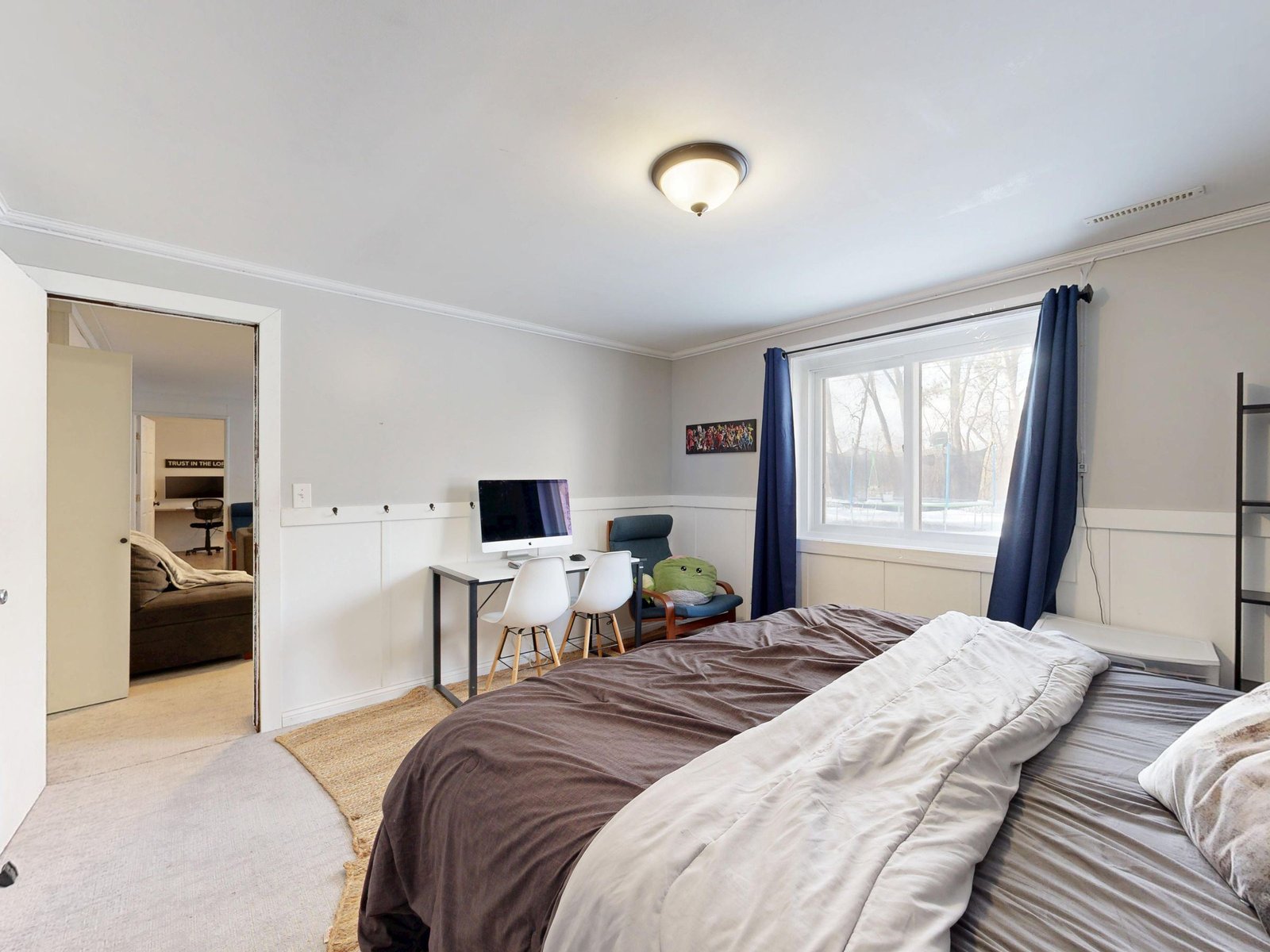
- Arrange a tour and bring a supporter if desired. Walk through common areas, bedrooms, and outdoor spaces. Notice lighting, locks, cleanliness, and how residents interact.
- Compare written safety, medication, visitor, and complaint policies. Ask for copies of house rules, medication handling procedures, guest guidelines, and how complaints are handled. Oversight requirements are not uniform nationwide; some states require credentialing through certification, accreditation, or licensure.[2] Check your state or local requirements through official government sources to understand what protections apply where you live.
- Review the full agreement and payment terms before applying or signing. Read the contract carefully. Look for refund rules, eviction grounds, length-of-stay expectations, and any fees beyond rent. Ask questions in plain language until every term makes sense to you.
For more detailed guidance on searching for openings and preparing your application materials, see our guide on finding a sober living home.
What the First Month May Involve
Every sober living home runs differently, so there is no single experience for everyone. The first month is mostly about adjusting to a new environment and building trust. You might find that some parts feel easy while others take time. Here is a general look at how the first few weeks often unfold.

Before move-in
Review the house rules, lease agreement and any recovery-support expectations. Ask questions about privacy, boundaries and medication policies now so you know what to expect.
Arrival
Attend orientation if offered. Meet staff and housemates. Learn where to store belongings and how to contact staff if you have a concern.
First days
Settle into daily routines like chores, curfews or meetings. Notice how the home handles conflicts or requests for help.
Following weeks
Check in with yourself about whether the support feels right. Raise any practical concerns with staff as they come up rather than waiting for a formal review.
This outline describes housing adjustment, not a sobriety timeline. Your needs and the home’s specific policies will shape your experience more than any standard schedule. If you ever feel unsafe or threatened in your housing situation, call 911 or go to the nearest emergency room now. If you are having thoughts of suicide or self-harm, call 911 or go to the nearest emergency room now, or call or text 988 for immediate support.
Frequently Asked Questions
Does a women-only sober living home guarantee a safer environment?
No label can guarantee that a specific home is safe or right for you. Look closely at written policies, privacy arrangements, staff access, complaint processes, and medication rules. Trust your own observations during a tour. See if the environment feels secure and respectful.
What should I ask about privacy and visitors?
Ask who is allowed to enter bedrooms. Also ask how visitor access is controlled. Find out if cameras are used, and how the home protects resident privacy. Request these policies in writing, and ask how exceptions or concerns are handled.
How can I report harassment or discrimination at a sober living home?
Start with the home’s written complaint process. Ask how to raise a concern privately, especially if a manager is involved. If you believe you have experienced housing discrimination, you can file a complaint with the Department of Housing and Urban Development (HUD).[1] Applicability depends on your specific circumstances.
Can a sober living home tell me to stop prescribed medication?
Never stop or change prescribed medication just to follow a house rule. This includes medication for opioid use disorder. Ask the home to explain its policy in writing. Discuss any conflict with your prescriber before deciding if the home fits your recovery plan.
Does insurance cover sober living housing?
Do not assume that insurance or Medicaid pays for the home’s housing fee. Some state Medicaid programs may cover certain short-term residential substance use disorder services.[8] However, this does not guarantee coverage for every recovery residence or housing cost. Ask the home and your payer to clarify exactly what is covered, including eligibility, authorization, and out-of-pocket costs.
What may the first 30 days in sober living involve?
Your first month often includes orientation and learning house routines. You will likely meet other residents and learn how to reach staff or report concerns. Ask for the actual schedule so you know what to expect. If the rules or living arrangement do not feel like a fit, ask how you can raise those concerns safely.