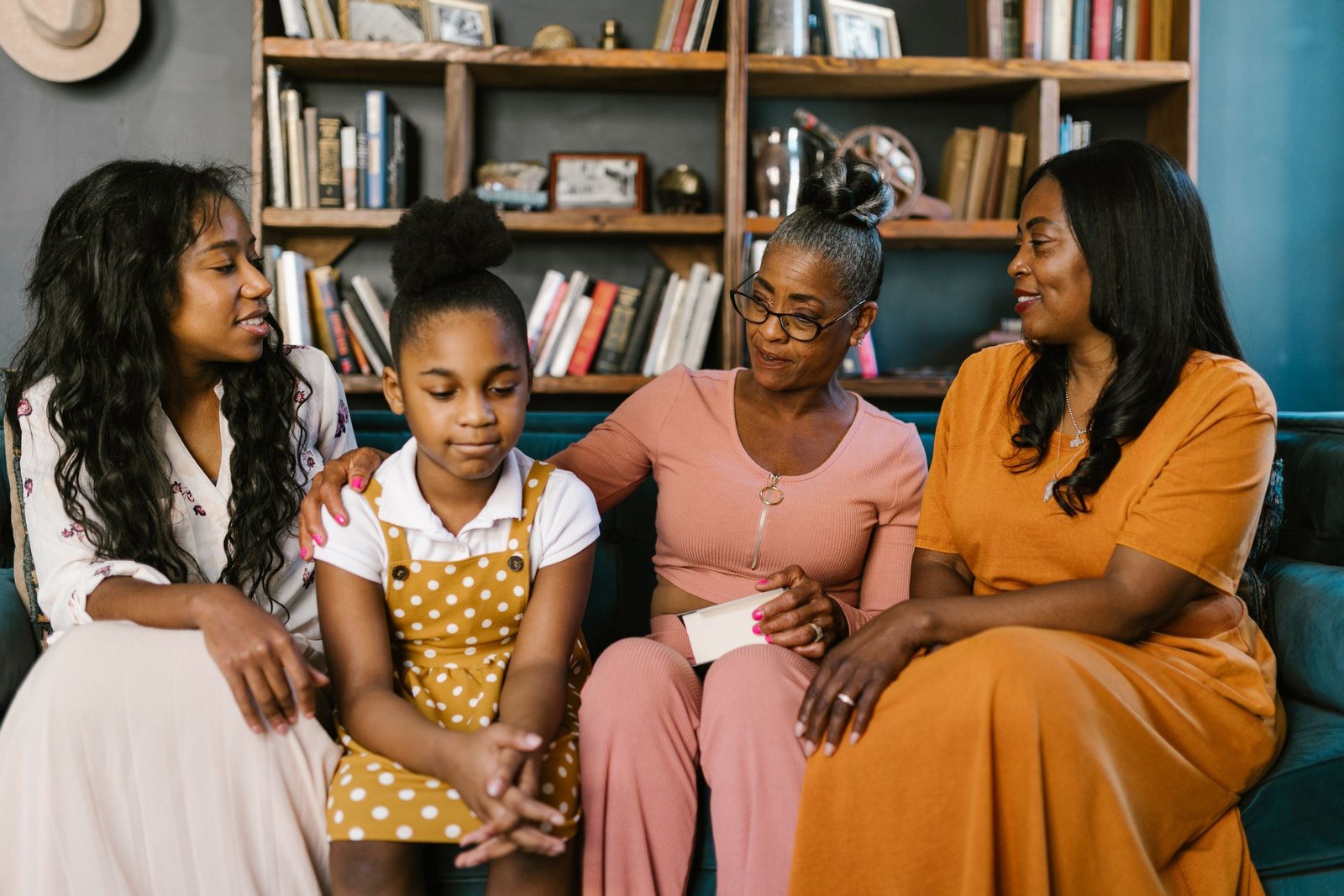

Talking to kids about parent alcoholism means giving them honest, simple answers. Tell the child that the parent's drinking is an adult problem. Say that it is not the child's fault, and that they can talk with a trusted adult.
Pair this conversation with a practical safety plan. This is especially important for times when the parent is intoxicated.
This guide focuses on what children may see or experience. It also covers what caregivers can say, and how to plan for safety. It complements our broader guide to helping someone with alcohol addiction.
We are the editorial team at a US treatment directory. We research public health sources to publish guides like this one. We are not a treatment provider, and we do not offer medical review.
What to Tell a Child About a Parent's Drinking
When you are figuring out what to tell a child about a parent's drinking, start with honesty in simple words. Children often sense that something is wrong. They may wonder if the drinking is their fault or if they need to fix it. Your job is to reassure them that they are safe and that adults are handling the problem.
Here is some background on alcohol use disorder (AUD) that might help you understand the situation better. AUD is defined as having trouble stopping or controlling alcohol use even when it causes problems in health, work, or relationships.[1] A diagnosis involves having at least two specific symptoms within a year.[2] Treatment options include behavioral health care and medications.[3]
Use the table below as a starting point for conversations with children of different ages. Adapt the words to fit your family’s situation and the child’s maturity.
| Age Group | What to Say | What to Avoid |
|---|---|---|
| Young Children | "Mom/Dad has been drinking too much. An adult is helping them get better. You are safe here with me." | Blaming the parent, using scary details, or promising the parent will stop immediately. |
| School-Age Children | "Drinking is causing problems for our family. It is not your fault. Adults are getting help to fix it." | Asking them to keep secrets, monitor the parent’s drinking, or take care of the parent. |
| Teens | "I want to be honest with you about Dad/Mom’s drinking. It is a health issue, not your responsibility." | Pressuring them to choose sides, hiding the truth completely, or making promises about recovery timelines. |
Remember that you do not need to solve everything in one conversation. Let the child ask questions when they are ready, and remind them that they do not have to fix their parent’s drinking.
How a Parent's Drinking Can Affect a Child
Every child reacts differently. There is no single way that a parent's drinking shows up in a child's life, and one hard moment does not decide how a child turns out. Still, understanding the range of possible reactions can help you support them.

A child may feel worried, angry, embarrassed or confused. They might try to keep quiet or stay out of the way to avoid conflict. Routines can shift too, like meals moving later or plans changing at the last minute. None of this means something is wrong with the child. It means they are making sense of something confusing.
Seeing a parent intoxicated can be scary. A child may not understand what they are seeing, and they may wonder if they caused it or what will happen next. If that happens, it helps to name what they saw in simple words and let them ask questions at their own pace.
Research looks at groups, not individuals. Studies show that children of parents who misuse alcohol or drugs face a higher risk of neglect, abuse and developing substance use problems themselves.[4] That is about odds across many families, not a prediction for your child. Many children grow up healthy and strong with steady support from caring adults.
The most helpful thing you can do is ask what they noticed and how they felt. Listen without pushing for a specific answer or telling them how to feel. Let them know it is okay to talk about it anytime.
What to Say When a Parent Is Intoxicated
A child can tell when something is wrong. They don't need the full story, but they do need you to name what they see and keep them safe.
- Speak calmly and name what the child sees. Try: "Your parent has been drinking and isn't acting like themselves."
- Reassure them. Say clearly, "This isn't your fault." Don't ask the child to guess how drunk the adult is or to watch over them.
- Move together to the safe spot in your plan. Walk with them to the safe adult or place you agreed on ahead of time.
- Arrange help from another adult. Call the person named in your plan, or reach out to a trusted neighbor or relative.
Keep the child out of the caregiving role. They shouldn't fetch coffee, check on breathing, or try to wake an adult up. That job belongs to grown-ups.
When It's an Emergency
Alcohol poisoning happens when a large amount of alcohol over a short time affects breathing, heart rate, body temperature, and the gag reflex.[5] Watch for these signs in the adult:
- Repeated vomiting
- Confusion or not knowing where they are
- A seizure
- Slow or irregular breathing
- Being unable to wake up
If an adult shows any of these signs, call 911 or go to the nearest emergency room now. Stay with them while you wait for help. Turn them on their side if they are vomiting and unconscious, but don't delay getting emergency care.
Build a Safety Plan Around the Child
A safety plan helps a child know exactly what to do when a parent drinks in a harmful or unpredictable way. This kind of planning is central to protecting a child when a parent drinks. Work with another responsible adult to build the plan together, so the child has consistent support.

A Child-Centered Safety Plan
Your ticks are saved on this device only.
For more ways to help your child feel secure and supported, read our guide on supporting children of addicts.
If a Partner Is Considering Leaving
Deciding whether to stay or leave a relationship is deeply personal. There is no single right choice, and no one should pressure you to make one before you are ready. However, your safety and your child’s safety come first, regardless of what you decide about the relationship.
If you are thinking about leaving, start by making a quiet plan. Think through how you will communicate safely, where you will go, and how you will get there. Gather essential documents, such as identification, birth certificates and financial records, and store them somewhere safe or with someone you trust. Reaching out to a trusted friend or family member can help you feel less alone in this process.
If your partner uses violence, threats or coercion to control you, please seek support. The National Domestic Violence Hotline provides confidential help with safety planning. You can call 800-799-SAFE (7233), text "START" to 88788 or chat online at thehotline.org. This service is available 24/7.
If you or your child are in immediate danger, call 911 or go to the nearest emergency room now. Do not wait for the situation to get worse.
Living with a partner’s harmful drinking creates significant stress for caregivers. You deserve support too. Learning more about coping with family member addiction can help you find ways to protect your own well-being while navigating these difficult decisions.
When to Involve a Trusted Adult or Professional
One conversation is rarely enough. A child may need someone outside the home they can talk with privately, like a relative, school counselor, pediatrician, or family friend. Consider professional support if the child asks for help or if you notice troubling changes in their mood, behavior, sleep, schoolwork, or relationships.

You may see lists online describing "four types" of children of alcoholics. This guide does not use those labels. Please do not assign your child a category or predict their future based on one. Every child reacts differently.
If your family wants help communicating and deciding how to support the child, family therapy for alcohol addiction may be one option to explore.
Recovery and support are ongoing processes. Use this timeline as a flexible guide rather than a strict schedule.
Prepare
Identify a trusted adult the child feels safe with and let them know you may need their support.
First Conversation
Share age-appropriate truths about the drinking problem and reassure the child it is not their fault.
Check Back
Invite new questions over the coming days and weeks. Let the child know it is okay to talk again.
Add Support
If concerns continue or the child wants more help, reach out to a pediatrician, counselor, or family therapist.
Are the Child's Supports in Place?
This self-check is for information only and isn't a diagnosis. It cannot assess a child's mental health or replace professional support.
What a Child Can Do When Home Feels Unpredictable
Living with a parent who drinks too much can feel scary and confusing. Here is the most important thing for a child to know: You did not cause the drinking, and you cannot control it. You can tell a safe adult what is happening.
It is okay to tell a trusted adult about your parent’s drinking. You do not have to keep it a secret. Secrets can make things feel heavier and harder to handle. Telling an adult who can help keeps you safer.
Instead of trying to fix the situation or confront your parent, use the plan your family made. Go to your agreed safe place, like a bedroom or a relative’s house. Or reach out to the trusted adult you identified earlier. Let them help you.
If you are worried about abuse, neglect, or your safety, there is help available. Childhelp offers support for children and concerned adults who want to report concerns or find resources.
If you or someone else is in immediate danger, call 911 or go to the nearest emergency room now.
Support for the Whole Family
You do not have to figure this out alone. Several free resources can help you and your child find support.

Call for referrals and information. The SAMHSA National Helpline is a free, confidential service that offers treatment referrals and information 24 hours a day, seven days a week.[7] You can call to ask about local options for both the parent and the family.
Look into peer support groups. Al-Anon is a peer-support group for families and friends of people with alcohol use disorder. Our guide to Al-Anon support for families explains how these meetings work and what to expect. For older children, Alateen supports teens whose lives have been affected by someone's drinking.[8] These groups are not treatment, but they can help family members feel less isolated.
Frequently Asked Questions
How do I talk to kids about an alcoholic parent?
Start by asking what the child has noticed, then use simple, honest words that fit their age. Tell them clearly that the drinking is an adult problem and not their fault. Let them know they can ask questions anytime and talk with a trusted adult. Keeping the door open helps them feel safe sharing worries.
What should I tell my child when their parent is drunk?
Keep your explanation short and calm, such as, "Mom's body is reacting to too much alcohol." Reassure your child that this is not their fault and that you will keep them safe. Move them gently to a planned safe adult or quiet space, and never ask a child to watch or care for the intoxicated parent. If the adult is unconscious and vomiting, call 911 or go to the nearest emergency room now, because they could choke on vomit.[9]
How can a child live with a parent who drinks too much?
Help your child understand that they cannot fix or control the drinking, and that it is not their job to manage the household. Work together to identify one or two trusted adults and a safe place they can go when things feel scary. If you suspect abuse or neglect, Childhelp's National Child Abuse Hotline is available 24 hours a day, 7 days a week by phone.[10]
When might it be time to leave a partner with an alcohol problem?
There is no single right answer, and no one should pressure you to stay or leave. Think honestly about immediate safety, the support you have, and what each choice would look like for you and your children. The National Domestic Violence Hotline can help you think through safety options whether or not you are ready to leave. If anyone is in immediate danger, call 911 or go to the nearest emergency room now.
When should I seek professional help for my child?
Consider an evaluation if troubling emotions or behaviors last for weeks or longer.[11] Also seek help if these feelings cause distress for your child or family, or interfere with school, home life, or friendships.[11] Your pediatrician can listen to your concerns and help identify a next step toward support.