
Yes, Al-Anon for family members can help you find peer support. It helps you focus on your own well-being. It cannot control another person’s drinking. It also cannot guarantee that they will seek treatment.
This guide focuses on peer support. It does not cover how to treat or manage another person’s drinking. For broader guidance, see our guide to helping a loved one.
We publish informational content. We are not a treatment provider. If you want professional care as well as peer support, our directory can help you explore treatment options.
What Peer Support Can—and Cannot—Do
Al-Anon is a support group for people whose lives have been affected by someone else's drinking. It is not a tool to control that person or force them to stop drinking. The focus stays on how you cope, not on changing someone else.
Your loved one may choose to seek treatment someday. You do not have to wait for that decision to get support for yourself. Attending a meeting can help you manage stress and find community, even if the person drinking makes no changes.
It is important to have realistic expectations. Research does not guarantee a specific outcome for every person who attends meetings. Al-Anon offers a path toward peace and resilience, but it does not promise that a loved one will recover.
Who Al-Anon and Alateen Are For
Al-Anon is a support fellowship for relatives and friends of someone with a drinking problem. You do not have to be a spouse or parent to attend. Friends, siblings, grandparents, coworkers, and neighbors are welcome.

The person who drinks does not need to attend or be in treatment. You can still seek support here.
Al-Anon is not a treatment program. It is also not an assessment service for your own alcohol use. You do not need a formal diagnosis of anyone else to consider attending. If you wonder whether the group is right for you, ask the local group directly.
Alateen is a related fellowship designed specifically for teenagers affected by someone else's drinking. It offers age-appropriate support and understanding. For more on supporting younger children, read our guide on talking to kids about parent alcoholism.
| Fellowship | Who it is for | Support focus | Next step |
|---|---|---|---|
| Al-Anon | Adult relatives and friends affected by another person's drinking | Sharing experiences and coping strategies in adult groups | Visit the official Al-Anon website to find local meeting times and locations. |
| Alateen | Teenagers affected by another person's drinking | Peer support tailored to teen experiences and challenges | Check the official Al-Anon site for Alateen availability near you. |
What to Expect at a Meeting
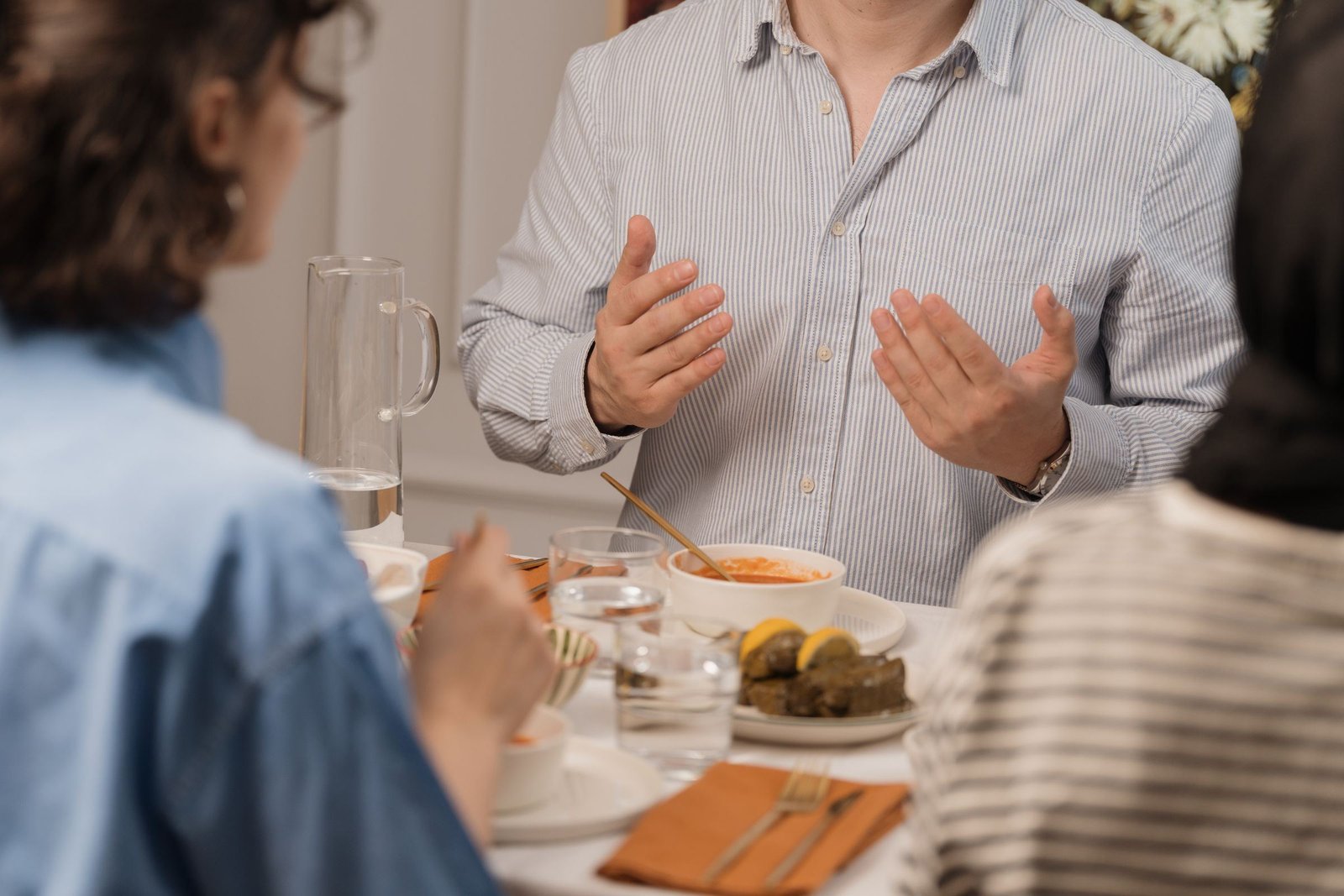
Walking into a room full of strangers can feel intimidating. Al-Anon meetings are peer-support gatherings where people share experiences about living with someone else’s drinking. There is no single required format, so groups may look different from one another. You do not have to speak, and you can leave at any time.
- Find a meeting. Use Al-Anon’s official meeting locator to search for groups in your area. You can also find support groups near you through our directory, which lists treatment centers and community resources.
- Check the details. Look at the meeting listing for whether it is in person or online, and what kind of discussion it uses. If the listing doesn’t say, call the group or check its website to ask about accessibility or how much sharing is expected.
- Go as you are. Arrive when you’re ready and sit wherever feels comfortable. Listen if you want to, or share only if you feel like it. No one will pressure you to talk.
- Reflect afterward. Notice how the meeting felt for you. If it wasn’t a good fit, try another group until you find one that feels right.
Boundaries and Your Own Well-Being
Living with someone else's drinking can wear on you. Support groups exist because alcohol use disorder affects family members and others close to the person drinking.[1] You can care about someone deeply and still decide what you will accept, provide, or take part in. Setting a limit is about protecting your own health, not forcing the other person to change.

You may hear about the "Three Cs," a phrase sometimes used in support groups: I didn't cause it, I can't cure it, and I can't control it. Think of this as a helpful reminder to ease guilt, not a strict rule that fits every family. Understanding these ideas doesn't mean you have to tolerate harm or neglect your own needs. Better boundaries won't make another person stop drinking, but they can help you stay steady while you seek support.
Try starting small. Pick one limit that feels doable, say it calmly, and ask for help if sticking to it feels hard. Use the checklist below to sort out what you need right now.
Checking In With Yourself
Your ticks are saved on this device only.
For more ways to take care of yourself during this time, read our guide on coping with family member addiction.
How Peer Support Differs From AA and Therapy
It can be confusing to hear about Al-Anon, AA, and therapy all at once. They serve different people and have different goals. None of them replaces professional medical or mental health care.
The table below breaks down the main differences.
| Option | Who it is for | Format | Primary focus |
|---|---|---|---|
| Al-Anon | People affected by someone else’s drinking | Peer-led support group | Coping with the impact of another person’s alcohol use on your life |
| Alcoholics Anonymous (AA) | People who want to stop drinking | Peer-led fellowship | Personal recovery from alcohol use disorder through shared experience and a 12-step approach |
| Individual therapy | Anyone dealing with emotional or mental health challenges | Professional care with a licensed clinician | Personal issues, coping skills, and mental health conditions through evidence-based treatment |
| Family therapy | Families or couples facing relationship stress related to substance use | Professional care with a licensed clinician | Improving communication, setting boundaries, and addressing how alcohol use affects family dynamics |
Al-Anon is designed for you if someone else’s drinking is affecting your well-being. It is not a treatment for alcohol use disorder. AA is for the person who wants to stop drinking. If you need clinical care, individual therapy can help you work through your own feelings and stressors. Family therapy brings everyone together to address how alcohol use impacts the whole household. You can read more about that option in our guide to family therapy for alcohol addiction.
Many people find that peer support groups like Al-Anon complement professional care rather than replace it. You might attend meetings for connection and also see a therapist for deeper work.
If One Group Is Not the Right Fit
It is okay if a meeting does not feel right. You can try another group, a different time, or an online format. Support groups are not one-size-fits-all.

Other peer options exist too. SMART Recovery Family & Friends is a support option for people worried about someone else's substance use.[1] These groups offer connection and shared experience. They are not the same as professional treatment.
CRAFT (Community Reinforcement and Family Training) is a separate approach. It teaches family members skills to encourage their loved one to seek treatment. It does not guarantee the person will accept help. For those considering a direct approach, our guide on alcohol intervention effectiveness explains how to measure success after the meeting.
For information on finding professional care, the NIAAA Alcohol Treatment Navigator can help you understand your options.[2]
Which Support Option Might Fit Your Next Step?
This self-check is for information only and isn't a diagnosis.
When a Meeting Is Not Enough
Al-Anon meetings offer emotional support. But they are not a substitute for emergency medical care. If someone is in immediate danger, call 911. Do this if you suspect an alcohol-related medical emergency. Go to the nearest emergency room right away. Do not wait for a meeting to get help.
Signs of alcohol poisoning are emergencies. These include confusion, vomiting while unconscious, and slow or irregular breathing. Seizures and blue-tinged skin are also dangerous signs. If you see these signs, call 911 immediately.
Concerns about alcohol withdrawal also need professional attention. Withdrawal can be life-threatening, and it often requires medical supervision. Medication can help make the process safer.[3] Never attempt to manage severe withdrawal at home. Instead, seek qualified medical care. Our guide on when to seek medical detox explains what to expect from professional treatment.
Frequently Asked Questions
Can Al-Anon members drink alcohol?
Al-Anon is a support group. It helps family and friends who worry about someone else's drinking.[4] It does not check or treat a member's own drinking. If you worry about your own use, talk to a health professional. You might also try a separate recovery resource.
Does Al-Anon help someone stop drinking?
Al-Anon supports its members. It helps family and friends of people who are worried about someone’s drinking.[4] It cannot promise that another person will stop drinking or seek treatment. For the person drinking, care can include behavioral therapies and medications.[3] Encourage them to talk with a health professional about options.
How do I find an Al-Anon meeting near me or online?
Use Al-Anon’s official meeting locator to search for local and online meetings.[5] The site lists face-to-face, online, and phone meetings in the US and abroad.[5] You can also visit Al-Anon to learn more and find nearby meetings.[1] Check the listing or call the group first. Confirm the format and access details before you go.
What are the “three rules” within an alcoholic family?
There is no single set of rules for every family. Some people refer to the “Three Cs.” This reminder says you did not cause another person’s drinking, you cannot control it, and you cannot cure it. Treat this phrase as a helpful reminder about limits. Do not treat it as a diagnosis or a rule for every home.
What can I do if Al-Anon does not feel like the right fit?
Try a different meeting or ask about another format. You can also look into other family-support options. If you need help with your own stress or safety, talk to a qualified professional. If you want treatment options for the person who drinks, use professional resources to find care.[3]
What happens at a first Al-Anon meeting?
Meetings are peer-support gatherings where members share experiences and support each other.[5] Formats vary by group, so check the listing or contact the group in advance. This helps you know what to expect. You are welcome to listen only, and participate as much as you feel comfortable.