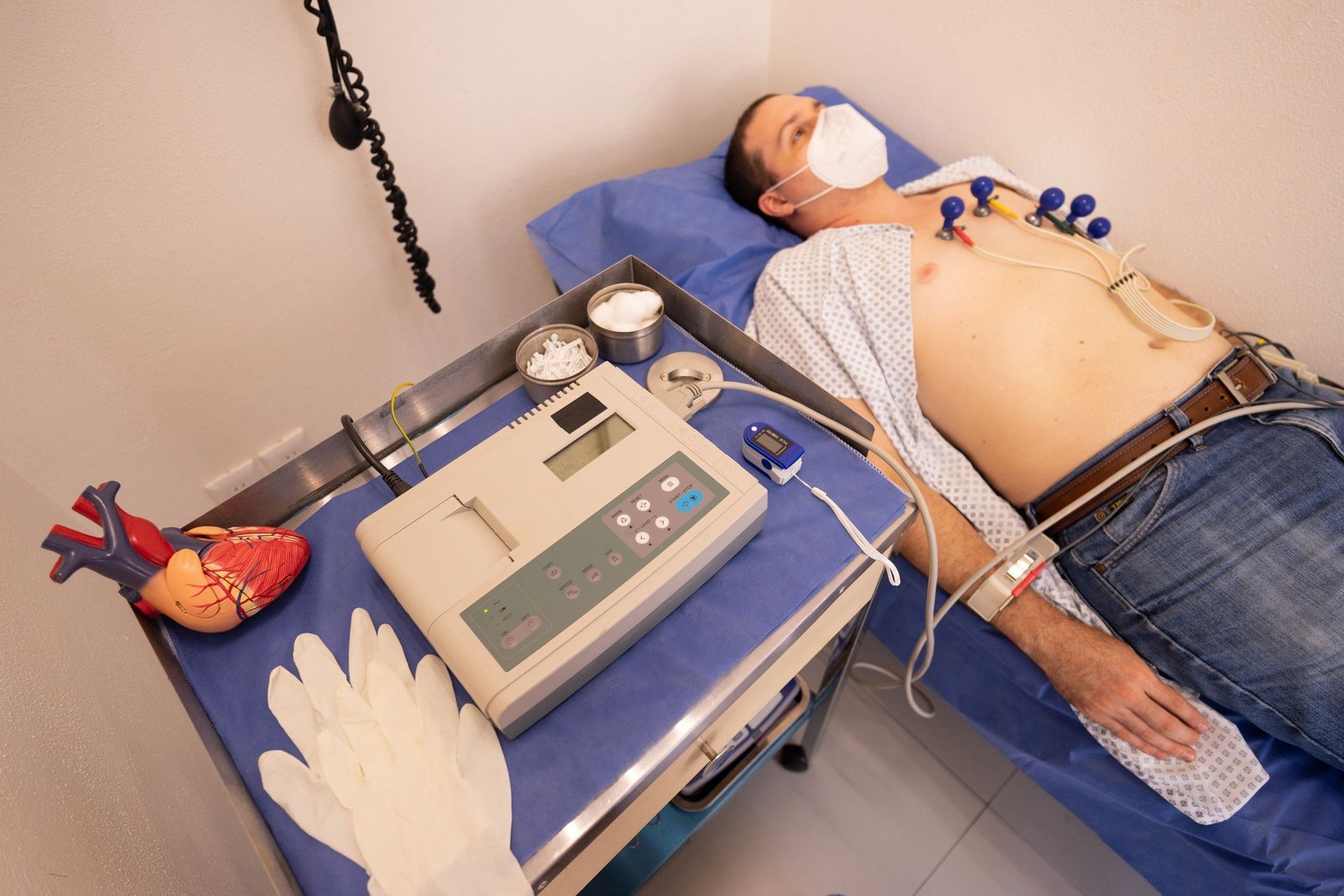

Physical changes can happen due to stimulants. Common physical signs of stimulant use are enlarged pupils, sweating, a fast heartbeat, and reduced appetite. Health may be affected in other ways by repeated use.
Other things can cause these signs. Therefore, they cannot prove stimulant use or name a specific drug.
Here we focus on physical signs and checking them. Our guide on stimulant addiction signs offers a broader overview.
Some symptoms are emergencies. Call 911 right away if someone has chest pain, a seizure, severe overheating or a high fever, difficulty breathing, or loss of consciousness. Follow instructions from the dispatcher. Do not transport the person in your own car.
We operate as a U.S. treatment directory, not as a treatment provider. This guide provides information only. It does not offer medical advice.
Effects and Physical Signs of Stimulant Use
Stimulants cause the body's systems to speed up.[1] You may see shifts in breathing or heart rate.[1] Do not treat these signs as proof of use. Instead, use them as a reason to check in with the person.
Potential Physical Signs
The table lists signs that stimulant misuse may cause.[1] Use this information to have a supportive conversation. Do not treat it as proof that someone is using.
| Possible signs of stimulant misuse | |---| | Faster heartbeat[1] | | Higher blood pressure[1] | | Faster breathing[1] | | Sweating[1] | | Dilated pupils[1] | | Tremors or shaking[1] | | Reduced appetite[1] |
Stimulant misuse can lead to higher blood pressure, heart rate, and breathing rate.[1] It may also trigger tremors, sweating, and dilated pupils.[1] Chest pain is a serious cardiac complication connected to stimulant use.[2] Our guide to stimulant use heart health risks explains what studies show about long-term effects on your cardiovascular system.
Possible signs
Stimulant misuse may lead to restlessness, tremors, or higher heart rate, breathing rate, and blood pressure.[1]
What It May Feel Like to Be High on Stimulants
Federal labeling defines abuse as using a drug on purpose, outside of treatment, to get a specific mental or physical effect.[3] Effects may involve anxiety, restlessness, or agitation instead of a pleasant or euphoric feeling.[4]
Read our guide on behavioral changes from stimulants for nonphysical changes, like shifts in daily habits or social behavior.
Assessing Stimulant Use Disorder: A Clinical View
Looking for physical signs of stimulant use is common when you are worried. But how someone looks does not explain everything. A person may appear fine yet face a serious issue. They might seem unwell due to causes unrelated to drugs. This is why a stimulant use disorder assessment goes beyond outward signs. Clinicians examine behavior patterns, effects on daily life, medical history, and other context. Our guide to the stimulant addiction assessment process details the screening steps and history questions clinicians use during evaluation. For the specific standards clinicians apply, our guide to stimulant use disorder dsm 5 criteria outlines how severity is determined.

To make a diagnosis, at least two criteria must happen in 12 months.[5] Then, the count of criteria sets the severity. Severity is mild with 2–3, moderate with 4–5, and severe with 6 or more.[5]
11 criteria
listed in the DSM-5-TR for stimulant use disorder[5]
2+ criteria
within 12 months meet the threshold for a diagnosis[5]
Severity tiers:
mild = 2–3, moderate = 4–5, severe = 6+ criteria[5]
Urine drug tests and screening questions provide helpful info. Still, neither proves a stimulant use disorder alone. Only a qualified clinician can diagnose it after a full evaluation.
Physical Signs That Need Immediate Help
Do not wait to see if things get better, and do not drive the person to the hospital yourself.Some physical signs of stimulant use mean you need to call 911 right now.
Serious reactions can occur rapidly. Stimulant overdose can cause serious complications, including seizures, heart attack, or stroke.[1] Severe toxicity can also lead to life-threatening overheating, with body temperatures greater than 104°F.[1]
Respond without delay if you spot these danger signs:
- Pain in the chest
- Seizure activity
- High heat in the body or severe overheating
- Struggling to breathe
- Fainting or passing out
- Recognize a severe red flag. If the person has chest pain, a seizure, trouble breathing, a very high fever, or cannot be woken up, treat it as an emergency.
- Call 911 immediately. Explain the symptoms to the dispatcher and mention suspected stimulant use. Remain on the call if it is safe.
- Do not drive the person yourself.Follow the dispatcher's directions. Paramedics can start care en route and are ready for emergencies such as seizures or heart issues.
Poison Control (1-800-222-1222) is a helpful resource for questions about uncertain exposures or mild symptoms. However, it is not a substitute for 911 when symptoms are severe. If someone is unconscious, seizing, or struggling to breathe, call 911 first.
Read our guide on signs of a drug overdose for wider advice on spotting critical moments.
Limits of Judging by Appearance
You may wonder how someone on Adderall looks. You might ask about Adderall eyes. Other causes can create physical signs. They do not identify a specific stimulant. Looking at someone is not enough to diagnose misuse.

| Possible effect | Prescribed ADHD stimulant medication | Nonmedical stimulant exposure | Other possible explanations |
|---|---|---|---|
| Dilated pupils | Possible side effect | Possible effect | Dim lighting, specific eye drops, other meds, normal differences |
| Weight loss or appetite change | Possible side effect | Possible effect | Stress, thyroid problems, stomach issues, deliberate dieting |
| Fast heartbeat or jitteriness | Potential side effect; depends on the person and dose | Frequent result while intoxicated or withdrawing | Anxiety disorders, high caffeine, fever, anemia, overactive thyroid |
The categories listed here can overlap. One physical sign does not confirm which category applies. If you are concerned about someone's well-being or safety, encourage them to get a medical evaluation. Do not make accusations or attempt to diagnose them on your own.
ADHD Meds Versus Misuse
Side effects and misuse are two different issues. Every medicine has side effects, even when taken correctly as prescribed.[1] Health, genetics, and other drugs change how people react.[1] So a physical sign in someone on an ADHD stimulant may just be a known side effect. To understand how to tell the difference, our guide to prescription stimulant misuse signs explains when use may become addiction. If you are dealing with intense urges, our guide to stimulant cravings and triggers explains how to handle withdrawal and manage triggers.
FDA requires warnings on prescription stimulant labels about risks of misuse, abuse, addiction and overdose.[1] Those warnings describe potential risks across the medication class. They do not show that a person misuses their prescribed medication.
Talk to the prescribing clinician if you have concerns about a prescribed medication. Do not adjust doses or stop treatment based only on looks. Read our guide to cocaine vs meth signs for more on telling substances apart when there are clear medical reasons. Visual cues alone cannot reliably make that distinction.
Reasons Impact and Injury Differ
Using the same stimulant can lead to very different experiences for two people. One person might feel jittery for an hour.Another might end up in the emergency room. A mix of factors shapes how the body responds, causing these differences.
Stimulants are not all the same. Even within prescription medications, risks and warning labels can vary from one drug to another.[3] This means that the specific substance matters just as much as the fact that it is a stimulant.
Adding other substances makes things less predictable. Using stimulants with alcohol or other drugs can change effect intensity and duration.[2] These mixes make reactions hard to guess, even for experienced users.
Elements Influencing the Severity of Harm From Stimulants
Experts review several main points to explain varying harm. These details provide context but do not define a safe limit for use.
The stimulant type and strength are key factors. Dosage and frequency matter too. Overall health, like heart issues or mental health concerns, affects risk. The setting counts as well; using alone or in unsafe places raises danger. Combining stimulants with other substances or medications can also greatly change effects.[2]
Keep in mind that no factor list ensures safety. You cannot plan your way around a negative reaction.If you or someone else shows severe symptoms, such as chest pain, trouble breathing or extreme confusion, do not weigh these factors to decide if it is "bad enough." Call 911 immediately and follow the dispatcher’s directions.
Responding Safely to Observed Changes
It can be scary to notice physical changes. Guessing seldom helps. Stay calm to handle it safely. Watch what happens, record it, and get professional help. Do not try to diagnose the person yourself.

Act now if you see emergency signs. These are confusion, severe agitation, chest pain, or trouble breathing. Call 911 immediately. Do not drive the person yourself. Follow the dispatcher's instructions.
For other worries, use this check to pick your next step.
What Is the Safest Next Step?
This self-check is for information only and isn't a diagnosis. If you see emergency signs, call 911 now.
Doctors need clear notes to understand what is happening. Do not judge based only on looks.
What to Note and What to Do
Your ticks are saved on this device only.
Our guide on talking to a doctor gives tips for starting the talk when you are ready to see a clinician. If you are family and unsure how to approach a loved one, read more about helping a loved one.
You can also call SAMHSA’s National Helpline at 1-800-662-4357 for free, confidential treatment referrals and information any time of day.[6]
Frequently Asked Questions
How can you tell if someone is on a stimulant?
Looking at someone alone cannot confirm stimulant use. Physical changes are clues, not proof, and many other things can cause similar signs. Without an emergency, share what you saw without blame and suggest they speak with a clinician.
What are the physical symptoms of overamping?
Some people use the term “overamping” for serious adverse effects tied to stimulant use. Since it is not a medical diagnosis, symptoms need a medical assessment. Call 911 right away for chest pain, seizures, severe overheating, trouble breathing, or loss of consciousness.
What does a person look like on Adderall?
There is no single look that shows someone took Adderall or whether it was prescribed. Labels list potential physical effects, but they do not visually prove use or misuse. You cannot tell what a person took by looking at them alone.
What are “Adderall eyes”?
"Adderall eyes" is an informal phrase that does not identify a medication or prove misuse. Changes in pupil size or eye appearance can happen for many reasons and should be viewed in context. Do not rely on eye changes as a sure sign of stimulant use.
What is a stimulant high like?
Some people feel more alert or energized, while others feel anxious, restless, or agitated.[4] Effects vary widely from person to person and situation to situation. Since these feelings differ so much, they cannot reliably show which substance a person took.
What should I do if I’m worried but there are no emergency symptoms?
If physical changes continue, get a professional assessment. Tell the clinician what you saw. If you have an uncertain exposure question that is not severe, Poison Control can help at 1-800-222-1222, available 24 hours a day.[7] Severe symptoms always require calling 911 first.