
A suspected drug overdose is an emergency. If someone has trouble breathing, can't be woken up, is having a seizure, or collapses, call 911 right now. Do not wait to figure out what they took. Do not wait until more signs show up. If you think it might be an overdose, treat it like one.
For thoughts of suicide or self-harm, call or text 988. If there is immediate physical danger, call 911.
We list U.S. treatment options. We do not provide care ourselves. This guide is for information only and does not replace emergency care.
If You Suspect an Overdose, Call 911
Call 911 right away if you think someone has overdosed or is in immediate danger. Do not pause to identify the drug involved. Do not wait for the person to show every possible symptom. Guidance from the National Institute on Alcohol Abuse and Alcoholism says to call 911 when an alcohol overdose is suspected, even if the person does not have all the symptoms.[1]
Watch for these critical signs:
- Breathing that is slow, odd, or gone
- Gray or blue color on lips or fingertips
- Unwakeable despite loud sounds or shaking
- Having a seizure or convulsions
- Body that is limp or collapsed
- Deep confusion or no response
Call immediately if you spot any of these. Give the dispatcher your location and what you observe. State what occurred and when, if known. Remain on the call and do what they say until help arrives.
Signs Can Look Different Across Drugs
Overdose looks different depending on what someone took. These signs are typical patterns, not a strict list. A person may overdose without showing all of them. If you suspect an overdose, call 911 right away. Do not wait until you see every sign.

105,007
recorded U.S. drug overdose deaths in 2023[2]
31.3
age-adjusted rate per 100,000 standard population in 2023[2]
Opioid Overdose Signs
Opioids slow the body down. Look for these key signs:
- Drowsiness or unusual sleepiness
- Slurred speech or mental confusion
- Breathing that is slow or shallow
- Pupils that are pinpoint
- Low blood pressure or a slow heartbeat
- Trouble waking the person up
People may not show all these signs. If you see any of these signs, call 911 immediately. Our guide on recognizing an opioid overdose gives more detail on what to watch for.
Signs for Stimulants and Other Drugs
Stimulants increase body activity, which can put stress on the heart and brain. Possible urgent signs include chest pain, overheating, severe agitation or panic, confusion, hallucinations, a fast or irregular heartbeat, seizures and jerking or rigid limbs.[3] Stimulant overdose symptoms can worsen quickly and become life-threatening.[3] Depending on the substance and how it was taken, complications may also include trauma, inhaling vomit, delirium, coma or convulsions.[4]
Overdoses on Mixed Substances
Many overdoses happen with more than one drug involved. Mixing opioids with alcohol or other central nervous system depressants raises overdose risk and can suppress breathing.[1] Combining drugs can also produce unexpected effects like collapse, severe confusion or trouble breathing that doesn't fit one drug's usual pattern.[1][4] Treat any unresponsive person with breathing problems as an emergency.
| Substance pattern | Possible urgent signs |
|---|---|
| Opioids | Pinpoint pupils; blue or gray lips or nails; slow or shallow breathing; unable to wake up[5] |
| Stimulants | Seizures; chest pain; overheating; fast heart rate; severe agitation[3] |
| Mixed substances | Severe confusion; collapse; breathing problems[1][4] |
If you're unsure whether symptoms come from an overdose or from stopping a drug suddenly, see our guide on when withdrawal needs emergency care. Either way, if someone is unresponsive or struggling to breathe, call 911 now.
Actions to Take Before Emergency Aid Arrives
Take action right away if you suspect an overdose. Do not wait to see if they recover alone. Use these steps as you wait for emergency help.
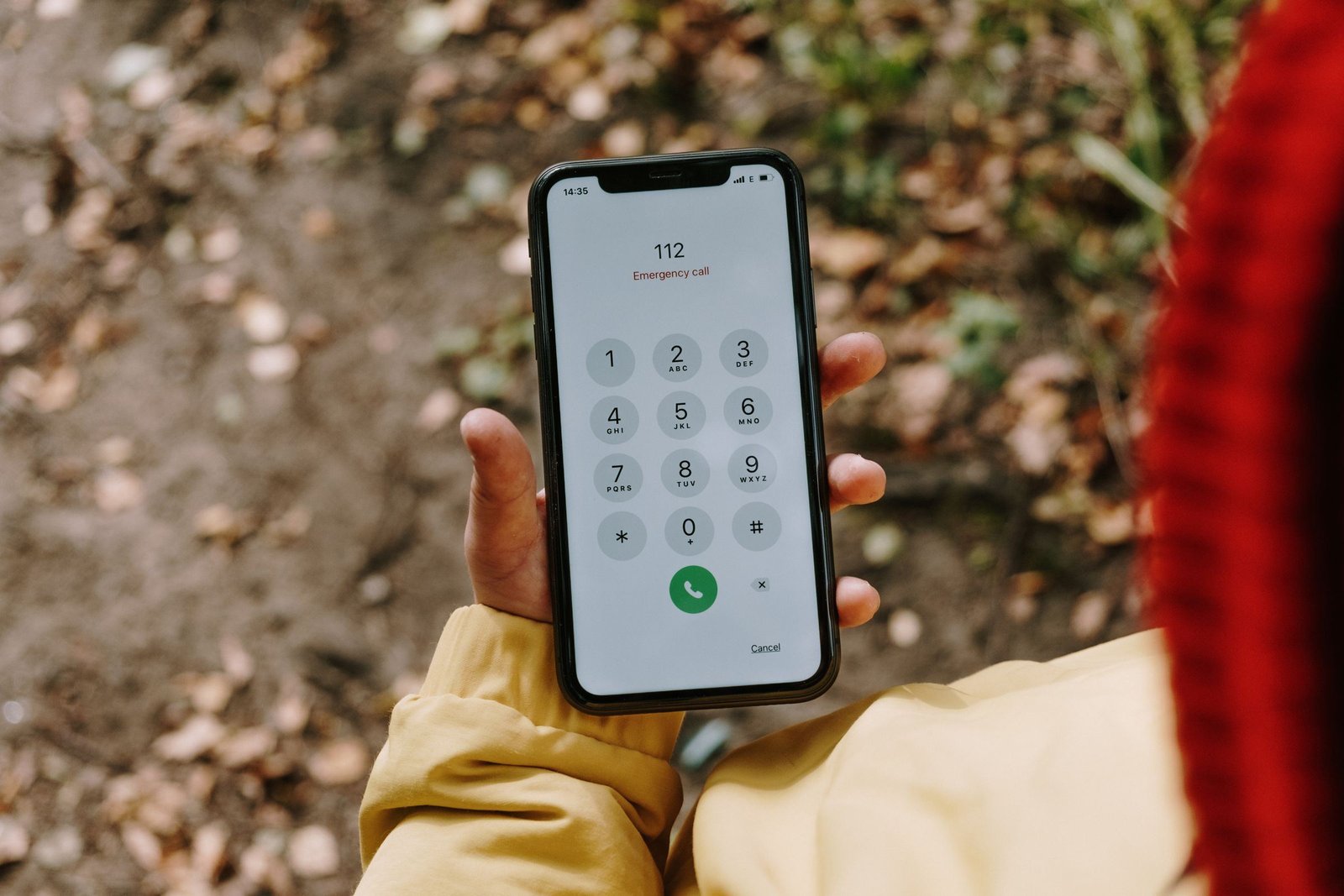
- Call 911. Tell the dispatcher your exact location and that you suspect a drug overdose. Set your phone to speakerphone. This frees up your hands during the call.
- Check breathing and responsiveness. Check for signs like tiny pupils, trouble waking them, or slow, shallow breaths.[5] Tell the dispatcher right away if they are unresponsive or not breathing normally. They will guide you through steps like CPR or rescue breathing, depending on the situation and your training.
- If they have a seizure, move hard items away and pad their head. Never place anything in their mouth.
- Give naloxone if you have it. If you suspect an opioid overdose, use naloxone right away if it is available. Naloxone blocks the effects of opioids and temporarily reverses dangerous symptoms, which can help prevent death.[6] It is safe to give when an overdose is suspected, even if you are not sure which drug was taken.[6] Always follow the package directions for the specific product you have. Remember: naloxone does not replace calling 911. The person still needs emergency care.
- Do not induce vomiting. Do not make the person throw up unless a poison control center or medical professional tells you to do so.[7] Do not give them food, drink, coffee, or other substances unless a qualified professional directs you to do so.
- Stay with the person. Check their breathing and see if they react to touch or sound. Protect them from falling or injury until paramedics arrive.
- Share what you know. Once help arrives, share which drugs you suspect, the amount, and the time. Grab any nearby pill bottles or packages to show the paramedics, or leave them where they can see them.
There Is No Reliable “Stage Before” an Overdose
Lots of people fear they overlooked a warning sign. In reality, no dependable list of signs exists. Do not wait for a certain “stage” to show up. If you notice danger, call for help immediately.

The type of drug, your tolerance, and whether other meds or alcohol were used all matter.The signs and symptoms of a drug overdose depend on several factors.[8] These things differ for everyone. The same drug can affect two people in very different ways. A person may look fine, then quickly become unresponsive.If you see signs of an overdose, act now. Do not wait to see if the situation worsens.
Overdose Is Not Withdrawal
Physical dependence occurs when the body gets used to a substance. Reducing or stopping use can lead to withdrawal symptoms.Overdose and withdrawal are different conditions. This can happen with prescribed and non-prescribed drugs alike. Experiencing withdrawal does not mean someone is overdosing.[9] Symptoms of one issue do not cancel out the other.It also does not rule out an overdose if they recently used drugs.
Withdrawal carries risks on its own.Patients with severe or complicated alcohol withdrawal may need admission to acute general medical settings for life-saving care.[10] If you are unsure whether someone has withdrawal or an overdose, call 911. It is safer to act carefully. Our guide on distinguishing withdrawal from overdose explains how these two situations are different.
What Emergency Care May Involve
If you call 911 or go to the emergency room, the team’s first job is to keep the person safe. People with a substance overdose may need emergency treatment in the hospital.[11] The exact treatment depends on the drug used.[11]
Each person has a unique history, symptoms, and body. Because of this, no single plan fits everyone. Every case is different.
A General Look at Emergency Care
The following steps show how care often happens. However, timing and details change for each person.
Arrival and initial check
Staff check alertness, blood pressure, heart rate, and breathing. If known, they ask what was taken, the amount, and the time.
Stabilization and tests
The team focuses on steady vitals and open airways. The drug and the person's reaction decide which tests or treatments are needed.
Monitoring and care
Some need close monitoring for hours. Depending on their condition, others may get supportive care or specific meds.
Going home or staying
Health status, not a fixed clock, guides this choice. Ask the team about follow-up plans, discharge signs, and observation time.
Because care fits each situation, there is no set hospital stay for overdoses. Some leave after brief monitoring if they breathe well and are stable. Others must stay for ongoing care. This happens if issues arise or symptoms last.
Ask the care team directly to learn what to expect. Ask which signs mean leaving is safe and what they watch for. Also ask about follow-up care after discharge.
Finding Support for Drug Use After Stabilization
When the immediate threat is over, speak with a doctor or substance-use treatment professional. They can help you see your options. Substance use disorders are chronic but treatable medical conditions.[12] Care levels and methods vary. Ask about choices that match the person's needs and substance use history. To understand how professionals identify these conditions, read our guide to the drug addiction diagnosis process and evaluation steps.

Check our guides on finding medical detox care and checking quality before you enroll for details on where to start.
A Safer Next-Step Check
This self-check is for information only and isn't a diagnosis. If there are signs of an overdose, seizures, severe confusion, hallucinations, a high fever or racing heart during withdrawal, or thoughts of suicide or self-harm, call 911 now; call or text 988 for suicidal thoughts. Do not use a score to reassure yourself if any danger sign is present. If there are no danger signs, a doctor or substance-use assessment is the next step.
After the Emergency: Questions to Ask
Your ticks are saved on this device only.
Frequently Asked Questions
What does the emergency department do for an overdose?
Staff monitor vital signs and check for injury. They select tests and care based on the event and the patient's response. They may call a regional poison center for advice on the substance.
How long is a hospital stay for an overdose?
There is no single answer, as the treating team decides based on the person's condition. Monitoring may continue even when the person seems better because some substances can cause delayed effects. Stay length depends on how stable the person remains and how fast the body clears the substance.
Does someone have to be unconscious to be overdosing?
No. Warning signs include trouble breathing, chest pain, or seizures.[7] If you see these signs, call 911 right away instead of waiting for the person to pass out.
Can overdose symptoms return after naloxone?
Yes. Naloxone wears off faster than many opioids, so overdose symptoms can come back.[14] This means emergency help is still needed even if the person wakes up or seems fine. Remain with them and follow directions until paramedics arrive.
What should I do if I don’t know what substance was taken?
Call 911 immediately if there are emergency signs. Call for help right away. Do not wait to learn what was taken. If you can do so safely, save any packaging or containers to show responders or poison control experts later.