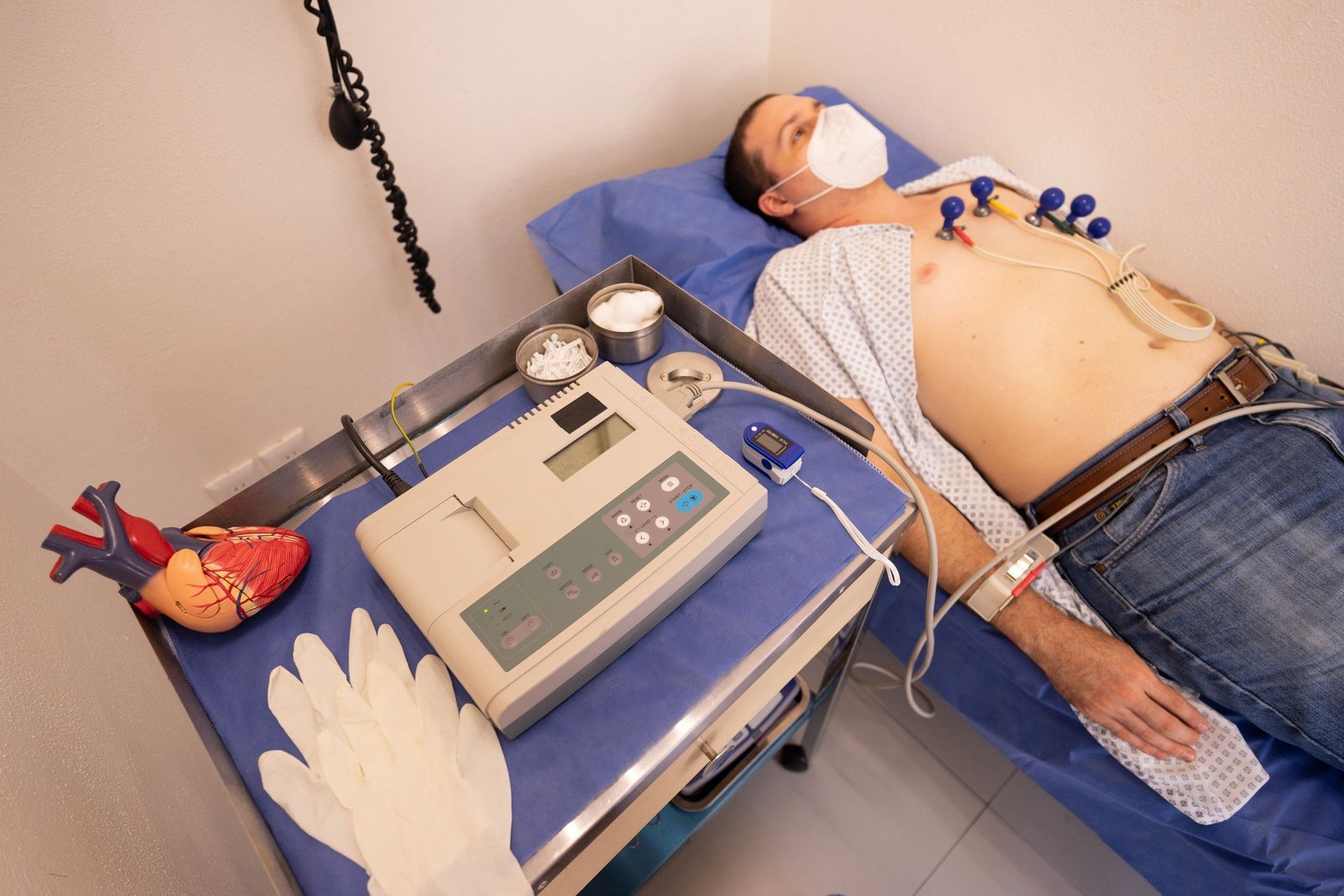

Clinicians examine your full pattern of use and its impact on your life. They match these details to the stimulant use disorder DSM 5 criteria. One sign alone cannot confirm a diagnosis. An online score cannot either. A clinical evaluation is the only way to see if criteria are met.
Have you seen shifts in behavior, health, or relationships? Our guide to recognizing stimulant addiction signs helps you spot key signs. This article explains the official criteria and how to interpret them. It is for education only, not self-diagnosis.
We publish a U.S. treatment directory and do not provide treatment. Worried about your stimulant use or someone else's? Speak with a doctor or licensed mental health professional.
Stimulant Use Disorder DSM-5 Criteria: What Is Required?
Clinicians search for a pattern of stimulant use. The use must lead to real problems or distress.[1] They match this pattern to the official DSM-5-TR list. Doctors use this manual to diagnose mental health conditions.
To receive a diagnosis, a person must show at least 2 of the 11 symptoms.[2] These symptoms must appear within a 12-month period. The count of symptoms indicates the disorder's severity. This guides providers in selecting appropriate care.
2 of 11
criteria needed within 12 months for a diagnosis[2]
2–3 criteria
indicate mild severity[3]
4–5 criteria
indicate moderate severity[3]
6 or more criteria
indicate severe severity[3]
These details outline how doctors make a diagnosis. They are not meant for self-testing. Only a qualified clinician can determine if these rules apply to you. They will also review your health history and other information.
What Clinicians Look For: 11 Criteria
There are 11 criteria clinicians evaluate. They fall into four areas: impaired control, social impairment, risky use, and pharmacological criteria. Tolerance and withdrawal make up the last area. This list details what professionals check in a formal evaluation. It is not for self-diagnosis. Only a qualified clinician can diagnose you. They review your complete history and current circumstances.

| Criterion Group | Criteria Clinicians Consider | Plain-Language Explanation |
|---|---|---|
| Impaired Control | Used more or longer than planned | You use stimulants for longer or in bigger doses than you meant to. |
| Cutting down attempts failed | You want to use less or stop. But you cannot manage to do it. | |
| Spending a lot of time using or recovering | Much of your time goes to getting, using, or handling the aftereffects of stimulants.[1] | |
| Craving | Feeling a powerful urge to use stimulants.[1] | |
| Social Impairment | Major role duties not met | Doing poorly at work, school, or home because of stimulant use. This might mean missing days or neglecting duties. |
| Use continues despite social issues | You keep using even if it causes fights, stress, or problems with friends and family.[1] | |
| Activities dropped or cut back | Giving up activities, sports, or social events you once enjoyed because of stimulant use.[1] | |
| Pharmacological Criteria | Tolerance | Needing more of the stimulant to get the same effect. Or finding that the usual amount has less effect. |
| Pharmacological Criteria | Withdrawal | Experiencing physical or mental symptoms when you stop using the stimulant. These symptoms are often relieved by taking more of it. Note: Withdrawal is not required for a diagnosis if tolerance is present. |
Knowing these stimulant use disorder criteria helps you prepare for clinician questions. Clinicians seek patterns over time, not single events. The DSM-5-TR substance use disorder criteria show how substance use impacts your life. If you notice several patterns, a professional evaluation may be wise. A clinician weighs the number of criteria met and their severity. This helps them decide if a diagnosis fits and what support might help.
Drugs Included in Stimulant Use Disorder
The central nervous system speeds up when you take stimulants. This broad group covers illegal drugs like methamphetamine and cocaine. It also covers prescription meds like Ritalin and Adderall.[4] Methylphenidate and amphetamine products are specific prescription stimulants.[5]
Clinicians look at specific substances, not all stimulants as one, when checking for this disorder. The DSM-5 describes it as using amphetamine-type substances, cocaine, or other stimulants in a way that causes significant problems or distress.[2] Each drug affects the body and brain in unique ways. Identifying the exact substance helps shape the right treatment plan.
Want to see how two common stimulants are different? Read more about the differences between cocaine and meth.
Evaluation vs. Screening and Warning Signs
Seeing a problem does not mean you have a diagnosis. A screening tool or warning sign can signal the need to speak with a professional. Only a clinician can diagnose stimulant use disorder. This difference is important because early signs often overlap with stress, grief, or other health issues.
A formal clinical evaluation for stimulant use reviews the entire picture. Clinicians typically weigh biomedical, psychological, and social factors. They also check for co-occurring mental health conditions or other substance use.[6] This wide view helps ensure the care plan covers all areas of your life. It looks beyond just the substance use.
Each provider works differently. Generally, here is what you may expect during a stimulant use disorder assessment:
- Discuss the substance and pattern. Be prepared to share what you use, the amount, frequency, and start date. Being honest helps your provider understand the scope of your use.
- Describe the effects. Describe how use has affected your school, work, relationships, and physical health. Giving specific examples is helpful here.
- Share your history. Tell them about past treatment attempts, medical conditions, and mental health diagnoses. This context influences how symptoms are interpreted.
- Ask about criteria. You can ask your clinician how your experiences relate to the official diagnostic guidelines in the DSM-5-TR. Understanding this connection can clarify why certain recommendations are made.
This summary is for general information only. It does not take the place of professional advice. For details on the questions providers ask and how they read your answers, see our guide on what happens during a clinical evaluation.
Remember that online questionnaires have limits if you have used one. They cannot account for complex personal histories or physical exams like a doctor can. Read our breakdown of the limits of online self-tests to learn why a confirmed diagnosis needs an in-person visit.
ASAM Guidance and Next Steps
A clinician uses DSM-5-TR criteria for diagnosis. The ASAM Criteria have another purpose. They help find the right level of care. This comes from a multidimensional assessment of patient needs.[7] The fourth edition lists subdimensions. These highlight key factors to check in each dimension.[8] This helps teams pick outpatient, intensive outpatient, or residential care. Clinical practice guidelines suggest care but do not replace DSM diagnostic criteria. Learn how these tools work together in our guide to ASAM criteria for treatment placement.

Speak with a qualified health professional if you have concerns about stimulant use. Do not rely on this article’s checklist for a self-diagnosis. A clinician checks your history and symptoms. They determine stimulant use disorder severity and what to do next.
Prepare for a Clinical Conversation
This self-check is for information only and isn't a diagnosis.
Questions to Bring to an Evaluation
Your ticks are saved on this device only.
Frequently Asked Questions
What are the signs of stimulant abuse?
The DSM-5 stopped using separate terms for abuse and dependence. It uses one diagnosis: stimulant use disorder. Severity is rated mild, moderate, or severe.[9] Spotting certain patterns is a reason to seek help. Only a clinician can confirm a diagnosis. They check all criteria and your full situation.
What are the ASAM guidelines for stimulant use disorder?
ASAM guidance focuses on assessment and care, unlike DSM-5 diagnostic rules. A key recommendation is contingency management. This method rewards positive behaviors, such as staying in treatment.[10] It is the standard of care for stimulant use disorders.
What addictions are not in the DSM-5?
Internet gaming disorder is not yet an official diagnosis. The manual does not list other concerning behaviors as separate addictive disorders at this time.
What are the four C's of substance use disorder?
The four C's—compulsion, loss of control, negative consequences, and craving—are informal teaching aids. Since definitions vary, do not treat them as a test. Do not use them instead of a clinical evaluation. A clinician applies the formal criteria to assess your situation.
Can prescribed stimulant use count toward a stimulant use disorder diagnosis?
A prescription does not automatically prevent a diagnosis. A clinician reviews your entire pattern of use and concerns. The DSM-5-TR does have a specific exception. Tolerance and withdrawal do not count if you take the medication exactly as prescribed under medical supervision.[11]