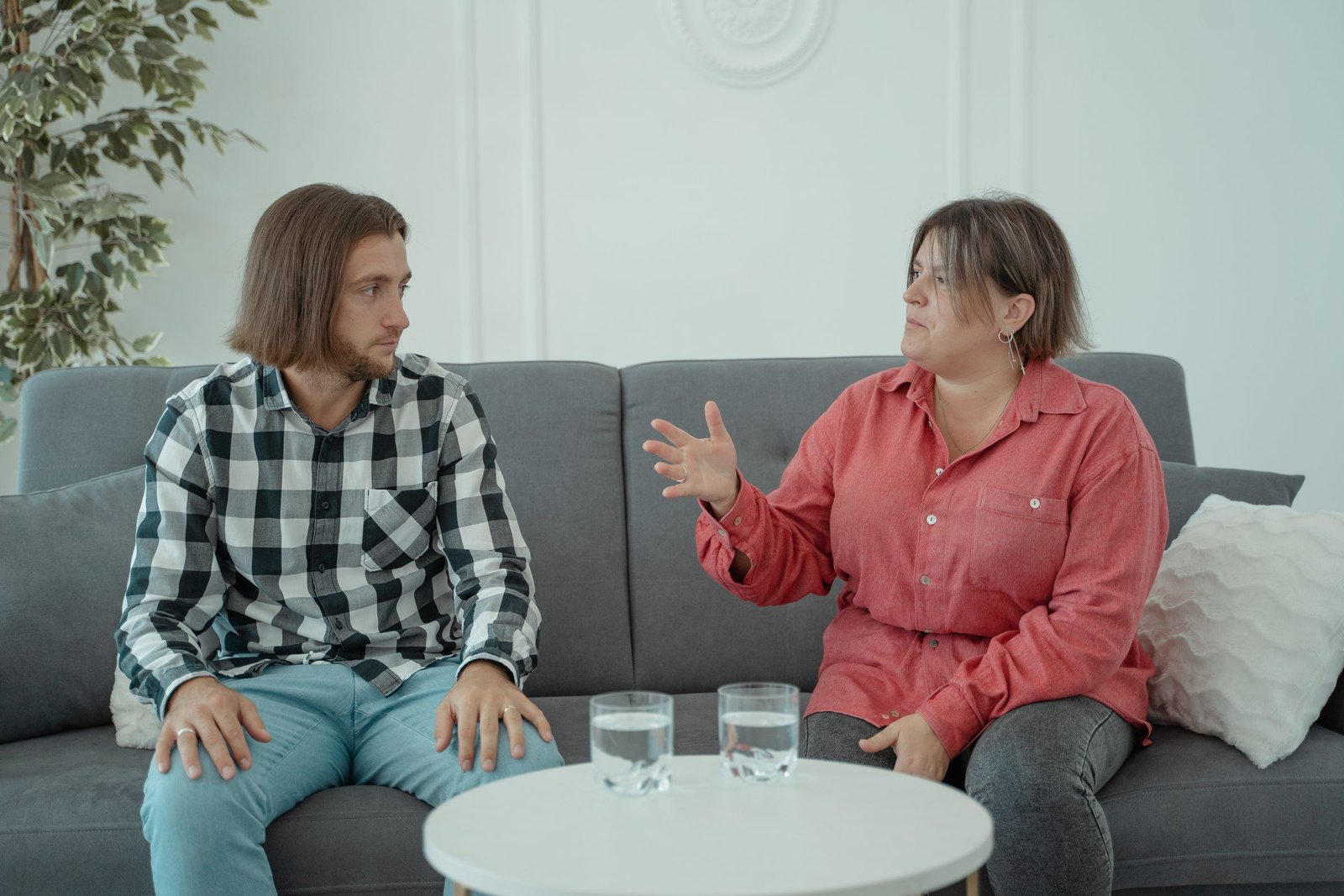

Wondering how to help someone with opioid addiction? Start by listening without judgment. Offer practical support to help your loved one find treatment. Stay connected, but remember that you are not responsible for their choices.
This guide covers what to do before, during, and after care. It also includes important steps for overdose safety.
We are a treatment directory publisher, not a treatment provider. We do not give medical advice or clinical reviews. Talk with a doctor or licensed therapist for care decisions.
Understand What You May Be Seeing
If you are worried about someone you love, you may be noticing changes that confuse you. It helps to know that effective treatments exist, yet only about one in four people with opioid use disorder receive specialty treatment.[1]
1 in 4
people with opioid use disorder receive specialty treatment[1]
Possible Signs and Other Explanations
You might notice your loved one talking about a strong urge to use opioids, struggling to control how much they use, or continuing to use even when it causes problems.[2] These are possible features of opioid use disorder.[2] However, seeing these behaviors does not mean you can diagnose the condition yourself. Only a qualified clinician can do that after a proper evaluation. Changes in behavior can also have other explanations, such as stress, grief or another health issue. To learn more about what family members often notice first, read our guide on the early warning signs of opioid use.
Causes and Co-Occurring Conditions
There is no single cause for opioid use disorder. Biological factors, life experiences and environment can all play a role. This means it is not simply a matter of willpower or character flaws.
It is also common for substance use disorders to happen alongside mental health conditions. For example, depressive disorders and anxiety disorders frequently co-occur with alcohol use disorder, and similar patterns appear with other substances.[3] If your loved one has both addiction and a mental health condition, they may benefit from integrated care. Some residential mental health programs are designed to treat both issues at the same time. Remember that observing certain behaviors alone cannot confirm a mental health diagnosis. Encourage your loved one to speak with a doctor or licensed therapist who can assess their full situation.
Start a Conversation That Protects Trust
Talking with someone about their opioid use is hard. Your goal isn't to force a decision in one conversation. It's to open a door they can walk through when they're ready. Our guide on how to talk to loved one about opioids offers a calm plan for navigating these difficult conversations.

Pick a quiet, private moment when neither of you is rushed, angry or under the influence. Start by naming what you've noticed, not who you think they are. Say "I've seen you cancel plans and seem exhausted," rather than "You're being irresponsible." Specific observations invite a conversation. Labels shut one down.
Then ask what kind of help they want, and listen. They may not be ready for treatment yet, and that's okay. Offer choices instead of ultimatums. You might say, "Would it help if I looked up programs near us?" or "Can I drive you to an appointment?" Practical offers lower the barrier without taking over their decisions. If they resist, our guide on supporting a family member with substance use offers ways to talk without pushing them away.
If you're ready to explore options together, our guide walks through steps to find opioid treatment. Involve your loved one in every choice about their care whenever possible. People are far more likely to follow through when they helped choose the path. For practical guidance on getting your loved one into care, see our steps for helping a loved one start opioid treatment.
Here are some phrases that tend to land better than others:
| Try saying | Avoid saying |
|---|---|
| "I've noticed you've been struggling lately, and I'm worried." | "You're ruining your life." |
| "What would help right now? I want to support what feels right for you." | "You need to fix this, or I'm done." |
| "I found a few programs nearby. Want to look at them together?" | "I already signed you up somewhere." |
| "I love you, and I'm here whether or not you're ready for treatment." | "Until you get clean, don't expect me around." |
| "That sounds really hard. Tell me more about what's going on." | "Just stop using. It's that simple." |
Blame and threats may feel justified in the moment, but they usually push people further into hiding. Curiosity and steady presence keep the line open. You don't need perfect words. You just need to show up honestly and let them lead on timing.
Support Treatment Without Taking It Over
Treatment for opioid use disorder usually includes medication, counseling, and other supports. The best plan depends on what the person needs and prefers. The ASAM Criteria uses an evidence-based framework to connect people with services based on their individual circumstances.[4]
There is no single timeline for recovery. Care often moves through stages. But the speed and order vary from person to person.
Considering care
You talk about options and ask questions. You can look into programs together if the person wants help searching.
Assessment and planning
A clinician checks medical and mental health needs. Together, you build a shared plan that respects the person’s goals.
Active treatment
The person starts medication or counseling, or both. Family support focuses on encouragement and removing barriers to appointments.
Reviewing and adjusting
Needs change over time. The care team adjusts the plan as recovery progresses or if setbacks happen.
What Treatment May Involve
Different parts of treatment serve different purposes. Here is how family members can support each piece without making clinical decisions.
| Treatment type | What it may involve | How family can help |
|---|---|---|
| Medication for opioid use disorder | The FDA has approved three medications: methadone, buprenorphine, and naltrexone.[5] Clinicians prescribe these based on individual history and preference.[6] | Offer rides to appointments or pharmacy pickups if invited. Ask how you can help with reminders or logistics, rather than managing doses yourself. |
| Counseling or behavioral care | Talk therapy, cognitive behavioral therapy, or contingency management to build coping skills and address triggers. | Listen without judgment when they want to talk about sessions. Respect privacy unless they choose to share details. |
| Recovery or peer supports | Support groups, sober living homes, or community programs that provide connection and accountability. | Help them find local meetings or online communities if they ask. Attend family support groups yourself to learn how to help effectively. |
Important Things to Know About Care
Withdrawal management, sometimes called detox, is not enough on its own. ASAM guidance states that withdrawal management without ongoing treatment is not a recommended method for treating opioid use disorder.[7] Detox clears opioids from the body but does not treat the underlying condition or reduce overdose risk long-term. Ongoing care is essential.
There is also no recommended time limit for medication-assisted treatment.[6] Some people stay on medication for months; others stay for years or longer. This is normal and safe when managed by a clinician. Do not pressure a loved one to stop medication early because you think they “should” be done by now. Instead, encourage them to discuss any changes with their prescriber.
If your loved one also struggles with depression, anxiety, trauma or another mental health condition, integrated care matters more than ever. Not everyone needs residential care; many people succeed with outpatient services plus peer support. Let the clinical team guide that decision based on safety and stability needs rather than assuming one setting fits all cases
Respond to a Possible Overdose
If you think someone is overdosing, act right away. Don't wait to be sure. Call 911 or go to the nearest emergency room immediately.[8] Our guide on what to do if loved one overdoses walks through the immediate steps and how to support them afterward.
Possible signs of an opioid overdose include slowed, shallow, or difficult breathing, severe sleepiness, or not being able to respond or wake up.[8]
- Call 911. Tell the operator you think someone is having an overdose.
- Give naloxone if you have it. The FDA advises giving naloxone if you know or think someone is overdosing and have access to it.[8] Follow the instructions on the product packaging.
- Stay with the person. Keep them safe and follow the 911 operator's directions.
- Wait for help. Even if naloxone seems to work, emergency medical help is still needed right away.[8] Stay until responders take over.
For more details on what to look for and how to stay safe, read our guide on recognizing an opioid overdose.
Stay Connected After a Return to Use
A return to opioid use is not proof that the person has failed. It is a signal to check safety and reconnect with care. Tolerance can drop during a period without opioids, which raises overdose risk if use resumes.[9]
Approach the person calmly and without blame. Ask what kind of support they want right now. If they agree, offer to contact their treatment team together. Never tell someone to change or stop a medication on their own. Encourage them to talk with their prescriber about any concerns or changes in use.
After a Return to Use
Your ticks are saved on this device only.
For more detailed guidance on what to say and do, read our guide on responding to a relapse.
Care for Yourself and Set Boundaries
Loving someone with opioid use disorder is hard. You can offer support without carrying the weight of their choices. Boundaries are not punishments. They are clear, specific limits that protect your own health so you can stay steady for the long haul. For more on establishing those limits, our guide to setting boundaries with a loved one who uses drugs offers practical steps.

Think about what you can realistically give. Maybe you can drive someone to a clinic appointment but cannot cover rent if they skip treatment. Maybe you can listen for ten minutes but cannot sit with them through a crisis at 2 a.m. Write down what you will do and what you will not do. Keep the list short and true to your capacity.
You need support too. Talk to a trusted friend, a counselor, or a peer group regularly. Learning more about setting healthy boundaries can help you speak clearly without guilt. Reading about avoiding caregiver burnout can help you spot warning signs early. When work schedules get complicated, our guide on telling employer about family member rehab explains your options for leave. For a structured approach to maintaining your own well-being, explore our plan for caring for yourself as family member.
NAMI offers a Family-to-Family course that teaches families about mental health and substance use conditions. It is a helpful education program, but it does not replace individualized care for you or your loved one.
How Prepared Is Your Support Plan?
This self-check is for information only and isn't a diagnosis.
Separate Clinical Guidance From Internet Rules
You may hear phrases like the "7-day opioid rule" online. These terms can be confusing. They are often misused. They are not universal timelines for treating opioid use disorder. They are also not official diagnostic standards.
The "7-day opioid rule" usually refers to prescribing guidelines for acute pain. The CDC advises that doctors should prescribe no more than needed for the expected duration of pain. Their guidance notes that three days or less will often be sufficient, and more than seven days will rarely be needed.[10] This advice is about limiting new prescriptions for pain. It is not about how long someone should stay in treatment for opioid use disorder.
Similarly, the "3-3-3 rule" is not a formal way to diagnose opioid use disorder. Do not use internet rules to decide if your loved one needs help. If you have concerns, rely on a licensed clinician for an assessment. When you see these phrases, ask where they came from, and check against trusted health sources.
Find Ongoing Support and a Next Step
You don't have to figure out the next step alone. The SAMHSA National Helpline is a free, confidential, 24/7 treatment referral and information service in the United States.[11] You can call 1-800-662-HELP (4357).

This line helps people find treatment options. You can call even if you are asking for a family member or friend.
If someone is in emotional distress, the 988 Suicide & Crisis Lifeline offers free, confidential support. You can call, text, or chat with them.[12] They are available 24 hours a day.
If you suspect an overdose or see immediate physical danger, call 911 right away.
Once you find potential programs, reach out to them directly. You can search for treatment centers near you to compare local options. When you call a program, ask about their services and current availability. Also ask how family members can be involved in care.
Frequently Asked Questions
Can a treatment provider tell me about my loved one's care?
Federal rules generally require written consent before a provider shares substance use disorder treatment records.[13] You can still share concerns with the care team, even if they cannot share details with you. Ask how your loved one can allow the team to involve you if they want your support.
If my loved one wakes after naloxone, do they still need emergency care?
How can I support someone after a return to opioid use?
Check that your loved one is safe, respond without blame, and offer to help them reconnect with care. Stopping opioid use disorder treatment may raise the risk of death from overdose or other health problems.[14] Encourage them to talk with their clinician about what happened and what options they have.
Is opioid use disorder a mental illness?
The DSM-5-TR places opioid use disorder in its Substance Use Disorders chapter, within the Substance-Related and Addictive Disorders section.[15] It can also occur alongside other mental health conditions. A qualified professional can check for both substance use and mental health concerns.
What can I do if my loved one is not ready for treatment?
Keep talking, and ask what kind of help they would accept now. You can call for help even if your loved one is not ready. SAMHSA's National Helpline offers free, confidential treatment referrals and information around the clock.[16]