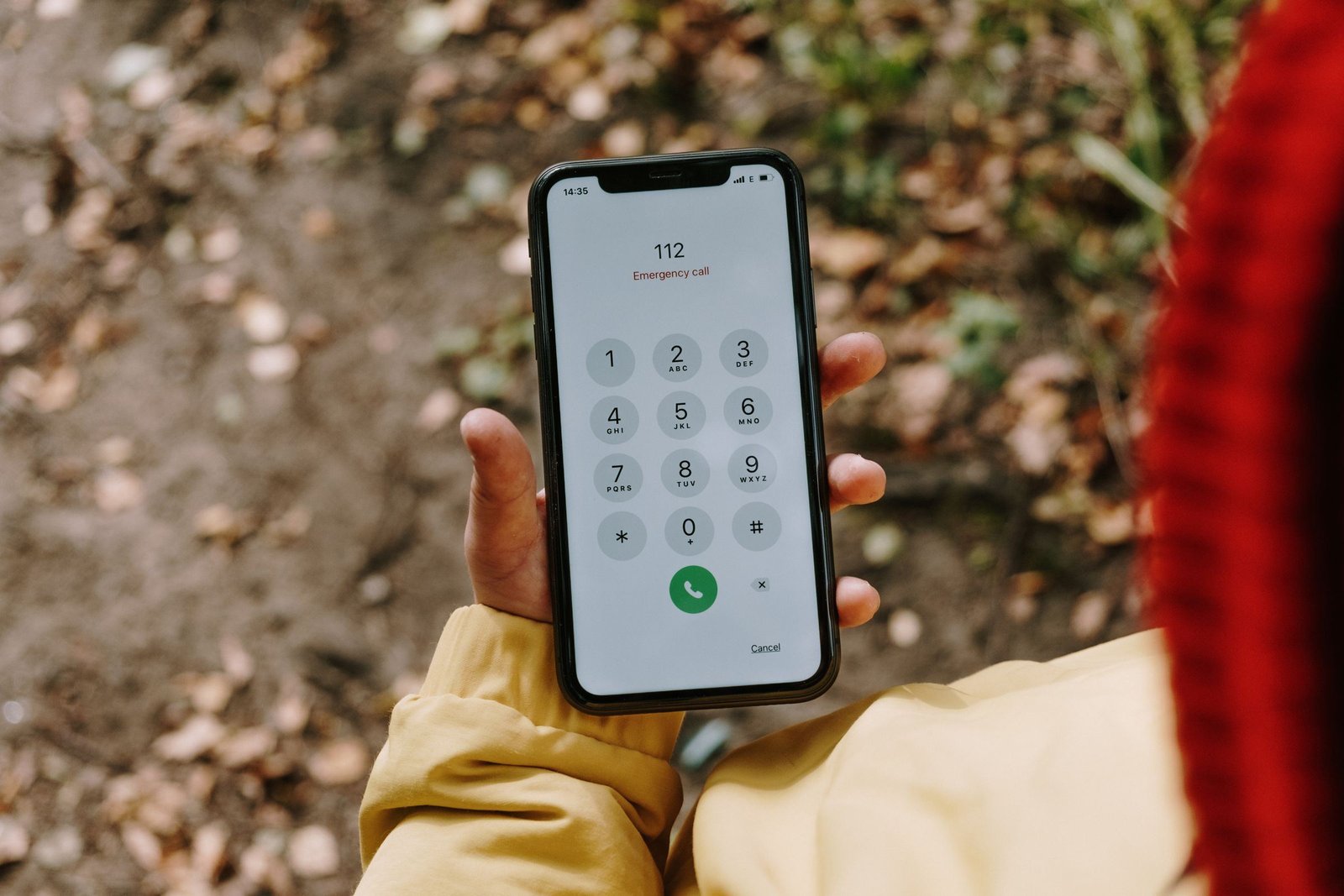


Check for safety first when you find opioid treatment for a loved one. If you suspect an overdose, call 911 right away. If you have naloxone, give it to them. Stay by their side until help gets there. Do not delay calling 911 to search for a program. If you do not have naloxone on hand, our guide to how to get naloxone explains where to find it.
Once your loved one is safe, call SAMHSA’s National Helpline or use FindTreatment.gov. These tools link you to nearby choices. Call the programs you find. Ask if they treat opioid use disorder now. Also ask about openings and how care starts.
We run a U.S. treatment directory, not a treatment provider. This guide shows how to look for care. It details what treatments look like and questions to ask providers. It also covers no-insurance options and ways to help someone not ready yet.
If You Suspect an Opioid Overdose, Call 911
Opioid overdose can slow or stop breathing and become fatal.[1] If you think someone is overdosing, call 911 immediately. Do not wait to see if they wake up on their own.
Look out for these warning signs:
- The person cannot be woken up.
- Breathing is slow, shallow, or has stopped.
- You hear gurgling or choking noises.
- The pupils are tiny (pinpoint).
- The skin feels cold and looks pale or blue.[2]
Steps To Take Right Now
- Call 911. Tell the dispatcher you suspect an opioid overdose. Follow their instructions carefully.
- Give naloxone if you have it. Naloxone can temporarily reverse an opioid overdose, but some people may need more than one dose.[3] Use it according to the package directions. It is a tool to help until paramedics arrive, not a replacement for emergency care.[2]
- Follow dispatcher instructions for breathing support. If the person is not breathing or is not breathing normally, follow the 911 dispatcher’s instructions for rescue breathing or CPR while you wait for responders.
- Stay with the person. Keep checking their breathing while you wait for help.[2]
- Place them on their side. If they are unconscious but breathing, roll them onto their side to keep their airway clear. Stay there until emergency responders take over.[2]
Ways to Find Opioid Treatment for a Loved One
Finding help for someone else can feel hard. However, a few clear steps can point the way. In 2023, roughly 5.7 million Americans had opioid use disorder.[4]

5.7 million
people in the United States had opioid use disorder in 2023[4]
- Search FindTreatment.gov. This is SAMHSA’s online tool to find treatment services.[5] It is best for browsing a wide list of local options by zip code, type of care, and cost. Enter your loved one’s zip code to see nearby options.
- Call for help. SAMHSA’s National Helpline offers free, confidential referrals 24/7.[6] This is a good first step if you are unsure where to start or need immediate guidance. You can also ask your state or county health agency for local resources; these agencies often handle licensing and can point you to regulated providers in your area.[7]
- Check details directly. Call more than one program. Confirm they treat opioids, have openings, and how to start. Direct calls are essential for verifying current availability and specific program requirements.
Checking more than one search tool keeps you from depending on a single site. Read our practical guide to finding rehab for extra tips on picking a facility. Looking at opioid-specific needs helps you locate the right care for your loved one.
Opioid Treatment Options To Ask About
Check what medications a program offers. Methadone, buprenorphine, and naltrexone are the three FDA-approved treatments for opioid use disorder.[8] They are not the same thing and work in different ways.[9] A provider will help choose the right one for your loved one.
| Option | What to ask | How it fits |
|---|---|---|
| Methadone | "Do you offer methadone? What are the visit rules?" | Given at special clinics. Needs a set schedule.[8] |
| Naltrexone | "Do you give naltrexone shots or pills?" | Blocks opioid effects. Must be started only after an appropriate opioid-free period, with timing assessed by a clinician. Read about naltrexone safety and opioid use. |
| Counseling | "What kind of talk therapy do you offer?" | Helps with recovery goals. Should not block meds.[10] |
| Care Setting | "Does outpatient care fit my schedule?" | Matches care to personal needs.[11] See outpatient options for working adults. |
Many people recover with the help of talk therapy. However, it should not block someone from receiving medication. ASAM notes that getting meds does not need counseling.[10] Ask how the program assesses your loved one’s needs. This helps locate the correct level of care.[11] Our guide to levels of care for opioid treatment explains how to compare programs and find the right fit.
Staying in treatment lowers the risk of overdose and death. This applies to buprenorphine and methadone.[12] Look for a plan that lasts. If your loved one has a job, ask about outpatient hours that fit their schedule.
What to Ask When You Reach Out to a Treatment Center
Open the call in a clear, honest way. You can say, “I am calling for a person I care about. Do you help with opioid use, and what is the first step?” This sets the right tone. It moves the talk to the practical details quickly.
Look at the list below to weigh your choices. It shows you what to expect next.
Questions for an Opioid Treatment Program
Your ticks are saved on this device only.
Rules change from state to state. State authorities license and regulate residential treatment providers. Look up your state authority. This makes sure the program follows local standards.
Laws on privacy count too. National rules shield files that say a person got substance use disorder care.[13] Centers that fall under these rules must keep those files secret. The person usually has to say yes first. After that, the center can talk to family. Bring this up early. It helps all parties know what to look forward to.
For more on checking providers, see our guide on verifying rehab directory details.
What to Do If Your Loved One Is Not Ready for Treatment
As a general rule, you cannot force an adult to accept treatment. Some states have limited legal exceptions for involuntary care.[14] Pushing the issue often drives people away. Stay close and keep the door open. How you support someone with opioid use matters a lot.

Wait for a calm moment to talk. Skip heated times. Share what you notice. Steer clear of harsh labels like “addict.” Hear them out. Then, suggest one clear next step. You might offer to make a phone call together.
| Instead of | Try |
|---|---|
| "You are ruining this family." | "I am worried about your health." |
| "If you don't stop, I'm leaving." | "What would make you feel safe to talk?" |
| "It's not that bad yet." | "I noticed you missed work twice." |
| "Just say yes and go to rehab." | "Can we look at options together?" |
A formal intervention is not the only way. If your family considers one, seek help first. Speak with a qualified professional. Surprise confrontations can damage trust. This makes it harder to give help later.
If you choose to plan an intervention, use these steps to stay safe:
- Get guidance from an addiction professional.
- Agree on specific observations and boundaries with other family members.
- Pick a calm time for the conversation.
- Make a list of treatment options to share.
- Do not use coercion or confrontation if violence is a risk.
Talk to a clinician about CRAFT. The full name is Community Reinforcement and Family Training. CRAFT helps family members get loved ones into treatment.[15] Studies show it can raise the chance of starting care.[15] Coaches train family members directly.[15] It works even if the person has not started treatment yet.[15] You get tools to push for change. Pressure and blame are not needed.
Setting Limits When Conflict or Housing Issues Arise
Keep your safety and the safety of others as the top goal. If anyone is in immediate danger, move to a safer place if you can and call 911. Do not confront a person in a way that could raise the risk of harm.
Setting clear limits on what you can safely give is fine. This might mean saying you cannot allow drug use in your home or that you will leave if violence occurs. Do not mix these limits with threats or tries to force treatment. Boundaries protect your health, but forcing treatment often drives people away from help.
Reach out to a local legal aid office or tenant-rights group before changing locks, taking belongings, or cutting off utilities. Rules on occupancy rights and notice vary by place. Check the right steps with local legal aid or a tenant-rights group first. Acting without knowing the law can cause legal issues and may make things more dangerous for everyone.
Steps for Contacting Local Legal Aid or Tenant-Rights Groups
Your ticks are saved on this device only.
Opioid Treatment Options Without Insurance
Not having insurance should not block your path to care. There are public and low-cost ways to get help.

- Check Medicaid eligibility. Contact your state Medicaid agency or visit HealthCare.gov. See if your loved one qualifies for coverage.
- Ask about public funding. Call your state behavioral health agency. Also call your county health department. Ask about publicly funded treatment or local grants.
- Inquire about flexible costs. Call treatment programs directly. Ask about income-based fees or payment plans. Ask for referrals if they cannot help.
- Contact an HRSA health center. Reach out to a nearby center. Ask about behavioral health services or referrals. Confirm if they provide specific opioid care, as services vary.[16]
Health centers funded by HRSA often use a sliding fee scale.[16] This bases costs on income. It can make care easier to reach. Read our guide on opioid treatment without insurance for more on costs. If you have coverage, our guide to rehab that takes my insurance helps you verify benefits before you commit.
Get Support and Take One Safe Move
Helping a loved one with an opioid use disorder takes a lot out of you. You also need support. Nar-Anon Family Groups give peer support to friends and family.[17] Look for a nearby meeting via the Find a Meeting locator on the Nar-Anon website. CRAFT is another choice. It helps partners and family get their loved ones into treatment.[15] Sharing your stress with a doctor, counselor, or trusted friend helps you stay steady.
Try this quick check to choose one clear next move.
What Is Your Next Step?
This self-check is for information only and isn't a diagnosis. It cannot assess or diagnose your loved one. If you see signs of an overdose, call 911 now. If you have thoughts of suicide or self-harm, call or text 988 now.
Frequently Asked Questions
How do I find opioid treatment near me?
Search FindTreatment.gov to find local programs. You can also call SAMHSA’s National Helpline for referrals. It is an information service, not a treatment provider.[5] Call the programs directly. Ask if they treat opioid use disorder. Check for openings and how to start.
How can I find treatment if my loved one does not have insurance?
Check if your loved one qualifies for Medicaid. In expansion states, many adults may qualify with income up to 138% of the federal poverty level.[18] Ask state or county agencies about public funding. Call programs to ask about income-based fees. Rules vary by state and situation.
Can I make an adult family member go to treatment?
You cannot force an adult into treatment. Offer support and ask about their options. If there is an immediate safety emergency, call emergency services now. Laws on involuntary treatment vary by state.[14] Consult a qualified local professional for legal advice.
Can naloxone hurt someone who has not taken opioids?
No. Naloxone has no effect on a person who has not taken opioids.[19] If you suspect an overdose, call 911. Use naloxone if you have it. Do not wait to figure out what they took. Get help first.
If naloxone works, does my loved one still need emergency help?
Yes. Call 911 even if the person wakes up. Stay with them and follow the dispatcher’s instructions. Naloxone can wear off before the opioid does.[20] Symptoms may return. Emergency care is still needed.