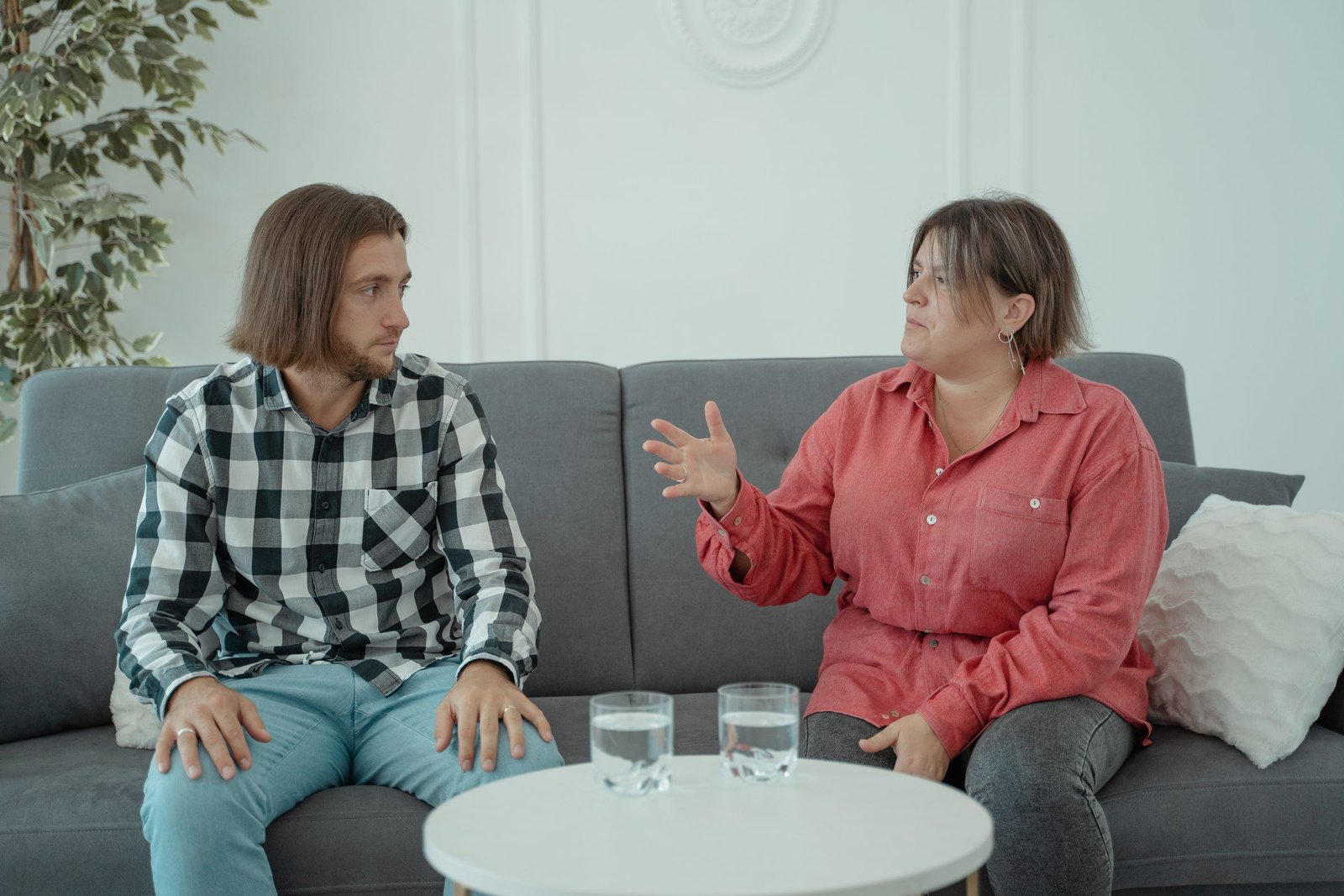

If you are wondering how to get loved one into opioid rehab, first check for an overdose or another emergency. If your loved one is unconscious, breathing slowly, or turning blue, call 911 right away. Use naloxone if you have it. Do not wait to see if they improve.
If they are safe but struggling with opioids, you can help. Offer a calm conversation. Explore treatment options together. Help arrange an assessment. Residential rehab is not the only path to treatment.
This guide walks through the steps to take. It explains what to do if your loved one refuses help. It also covers consent and how to prepare for a treatment call. We are a directory publisher that researches public health sources, not a treatment provider. For more background on supporting someone through this process, see our family support guide.
Check for an Overdose or Other Emergency First
Before you plan how to get your loved one into opioid rehab, make sure they are safe right now. If you see signs of an overdose, act immediately. Do not wait to see if things improve.
Signs of a possible opioid overdose include slowed, shallow, or difficult breathing, severe sleepiness, or not being able to respond or wake up.[1] If you suspect an overdose, call 911 immediately.[1] Give naloxone if you have it available, and follow the dispatcher’s instructions while waiting for help.[1] Stay with the person until emergency responders arrive. If the person does not respond to the first dose, repeat naloxone according to the package directions. If you are trained, provide rescue breathing or CPR. For a complete walkthrough of emergency actions, read our guide on what to do if loved one overdoses.
Naloxone can reverse an overdose temporarily. However, its effects wear off. You must still call 911 or get emergency medical help in every case of known or suspected opioid overdose.[2] This is true even after giving naloxone.[2] Never rely on naloxone alone without professional emergency care.
For more detailed guidance on what to look for and how to respond, read our guide on recognizing an opioid overdose.
How to Get Loved One Into Opioid Rehab: Starting the Conversation
You cannot make someone enter treatment, but you can lower the barriers to saying yes. Opioid use disorder is treatable, and effective options exist.[3] Your goal in this conversation is connection, not compliance.

- Pick a calm moment. Choose a time when neither of you is rushed, angry, or using substances. Sit down together if possible.
- Share specific observations. Describe what you’ve seen without labels or blame. Say, "I noticed you missed work twice this week," rather than "You’re being irresponsible."
- Ask open questions. Let them speak without interruption. Ask what they want for themselves or what they fear about treatment. Listen more than you talk.
- Offer concrete choices. Instead of demanding a decision, offer to help explore options. You might say, "Would you be willing to let me call a program with you?" or "Can we look at two places together?"
- Agree on one next step. Keep it small and doable. Maybe it’s just saving a phone number or scheduling a call for Tuesday. Follow up gently afterward.
Sample language: "I love you and I’m worried about your health. I’m not here to judge or punish you. Would you be open to hearing what one treatment center says? We can hang up if it doesn’t feel right."
Avoid threats like "Get help or move out." Avoid promises you can’t keep, such as guaranteeing an immediate bed or free care before checking insurance details.
When Direct Talks Stall
If conversations hit a wall, consider a structured approach called Community Reinforcement and Family Training (CRAFT). This method teaches family members ways to encourage positive behaviors and has been shown to be more effective than confronting the person in an intervention.[4] A trained professional can guide this process, though it is not a guarantee that your loved one will accept care immediately.
For more detailed scripts and tips on navigating these difficult discussions, see our guide on talking about opioid use.
Consent, Refusal, and Legal Limits
It is natural to want to force your loved one into treatment. But the law usually protects an adult's right to choose. For a competent adult, you generally cannot authorize routine care on their behalf. Legal authority to override refusal is rare. It is also situation-specific and varies widely by state.
When a person is unable to make decisions for themselves due to incapacity, providers typically look for a surrogate or substitute decision-maker to give informed consent.[5] However, being worried about a loved one does not automatically make you that decision-maker.
The table below outlines what you can do in different situations.
| Situation | What you can do | Important limits |
|---|---|---|
| Adult willing to seek care | Help find programs, arrange transport, and attend intake if invited. | Admission depends on the facility's criteria and bed availability. |
| Adult refusing routine care | Share concerns with providers; encourage voluntary options; support recovery efforts. | You cannot force admission. Ask providers what information they can share with you. |
| Possible civil commitment | For signs of an overdose, thoughts of suicide or self-harm, or other immediate danger, call 911 or go to the nearest emergency room now. For suicidal thoughts, call 988 as well. | For current commitment procedures, check your state behavioral-health agency or state statutes. |
Navigating Privacy Rules
You may worry that privacy laws block you from helping. In reality, HIPAA allows treatment providers to accept information from family members who know about the person’s condition.[6] This means you can call a doctor or counselor to describe behaviors you’ve seen, such as missed appointments or signs of relapse.
HIPAA may allow providers to share relevant information with involved family members when the person agrees or does not object, and in some situations involving incapacity or an emergency; a signed form is not always required. Provider policies and state laws may add requirements. Ask the provider what applies and what information they can share.
Checking Local Laws
Before considering legal action, consult your state’s behavioral health agency or an attorney familiar with mental health law in your area. Check your state statutes or agency guidance for current commitment procedures.
Treatment Can Start Beyond Residential Rehab
You might picture a facility where someone stays for 30 days. That is one option, but it is not the only one. Care comes in many forms, and the right level depends on the person's needs.

Here are common pathways:
- Medication treatment: The FDA has approved three medications for opioid use disorder: methadone, buprenorphine, and naltrexone.[7]
- Opioid treatment programs (OTPs): These are federally certified clinics. They provide medication treatment, including methadone under specific rules.[8]
- Outpatient services: People live at home while attending regular counseling or medical visits.
- Residential care: People stay at a facility for intensive support.
- Withdrawal management: This is also called detox. It helps manage acute withdrawal symptoms. However, withdrawal management alone is not treatment for opioid use disorder.[9]
Many programs combine medication and counseling. You do not have to choose just one. When you speak with providers, ask how they coordinate medication with therapy and other supports. You can also learn more by reading our guide on opioid treatment levels of care.
What to Ask When You Call a Program
Once your loved one agrees to take a step, the goal is to book an appointment. Calling ahead helps you get the details you need. This makes the process move faster.
You can call SAMHSA's National Helpline at 1-800-662-HELP (4357). It is a free, confidential, 24-hour service for information and referrals.[10] This line connects families with local resources. It is not for emergencies. If your loved one is in immediate danger, call 911 or go to the nearest emergency room. You can also use SAMHSA's FindTreatment locator to search for facilities by location and service type.[11]
Use this checklist when you speak with potential programs. Write down the answers so you can compare options later.
Before You Call a Treatment Program
Your ticks are saved on this device only.
It helps to know what happens during the initial evaluation before you go. Our guide on treatment assessment expectations explains how clinicians determine the right level of care.
What to Expect After They Agree to an Assessment
Once your loved one agrees to reach out, the next steps usually follow a general path. Programs vary in speed and process. Think of this as a rough map, not a promise. The assessment often looks at the whole person. It checks health, mental health, and social needs.[12]
Initial contact or referral
You or your loved one calls a program or helpline. Staff may ask about current use, health history, and insurance. This helps them schedule the next step.
Assessment
A clinician meets with your loved one to review their needs and risks. This helps find the safest level of care.[13]
Discussion of recommendations
The team shares what setting they suggest, like outpatient counseling or residential rehab. You can ask why they recommend that specific level of care.
First appointment or admission
If space is open, treatment begins soon. If not, the program may add your loved one to a waiting list. They might also suggest interim support.
Follow-up and plan review
After care starts, the team checks in often. They adjust the plan as needs change.
Every facility handles intake differently. Some start within days, while others have longer waits. If residential care isn’t available right away, ask about other options. See if another appropriate treatment can begin sooner while you wait for a bed.
If They Are Not Ready, Keep the Door Open
If your loved one says no, it doesn't mean the door is closed. You can keep offering help in small, brief ways. Try to stay calm and nonjudgmental. Set clear boundaries for your own well-being. Remember that you are not responsible for their treatment outcome. For more on maintaining your own well-being, read our guide on setting boundaries with a loved one who uses drugs.

Taking care of yourself matters too. SMART Recovery Family & Friends offers peer-support meetings and resources for people affected by someone else's substance use.[14] You might also ask about family therapy. These options support you but do not replace your loved one's clinical care. If you need time away from work, our guide on telling employer about family member rehab covers your options.
Which Next Step Is Most Useful Today?
This self-check is for information only and isn't a diagnosis. It cannot tell you if someone is safe. If you suspect an overdose, call 911 now.
Frequently Asked Questions
How do I get a family member to start opioid treatment?
First, make sure there is no immediate danger. If your loved one is unresponsive, struggling to breathe, or showing signs of an overdose, call 911 right away.[1] Otherwise, invite them to a calm conversation and offer a concrete step, like calling a treatment program together. Even if outside pressure played a role in getting them into care, they can still benefit; NIDA notes that treatment does not need to be voluntary to be effective.[15] However, this does not give you legal authority to force routine admission.
Can I admit an adult to treatment without their consent?
Do not assume you can arrange routine admission for an adult who refuses. In almost every state, long-term involuntary commitment requires a court or administrative agency to determine that the person meets specific legal criteria.[16] Because these laws vary widely by location, check official state resources or seek legal guidance specific to your area rather than relying on general online advice.
What should I do if my loved one refuses treatment?
Avoid threats and repeated arguments, which often push people further away. Instead, keep offering small, manageable ways to connect with care, such as attending one appointment together. Ask a clinician about structured family approaches like Community Reinforcement and Family Training (CRAFT), which has been shown to be more effective than confronting the person in an intervention.[4] Look for support groups for yourself so you aren't carrying this alone.
How long does opioid withdrawal take?
There is no single timeline that fits everyone, but understanding general patterns can help you know what to expect. Individual experiences vary significantly based on the specific substance, duration of use, and overall health. Because withdrawal can be intense and unsafe to manage alone, contact a qualified medical professional or treatment provider for guidance. Learn more about opioid withdrawal symptoms in our dedicated guide.
Are the “3 day rule” or “3-3-3 rule” reliable ways to predict opioid withdrawal?
No. These phrases are informal rules of thumb, not clinical standards. However, these timelines are oversimplifications. Withdrawal management depends on the specific substance and the person's medical history, not a fixed calendar count. Always ask a qualified professional for advice tailored to your situation instead of relying on internet rules of thumb.
Is opioid addiction the hardest addiction to quit?
There is no useful universal ranking for which addiction is "hardest." Experiences and treatment needs differ greatly from person to person.[15] Opioid use disorder is treatable, and the American Psychiatric Association emphasizes that no single treatment works for everyone.[15] A clinician can help identify options suited to your loved one's unique needs.