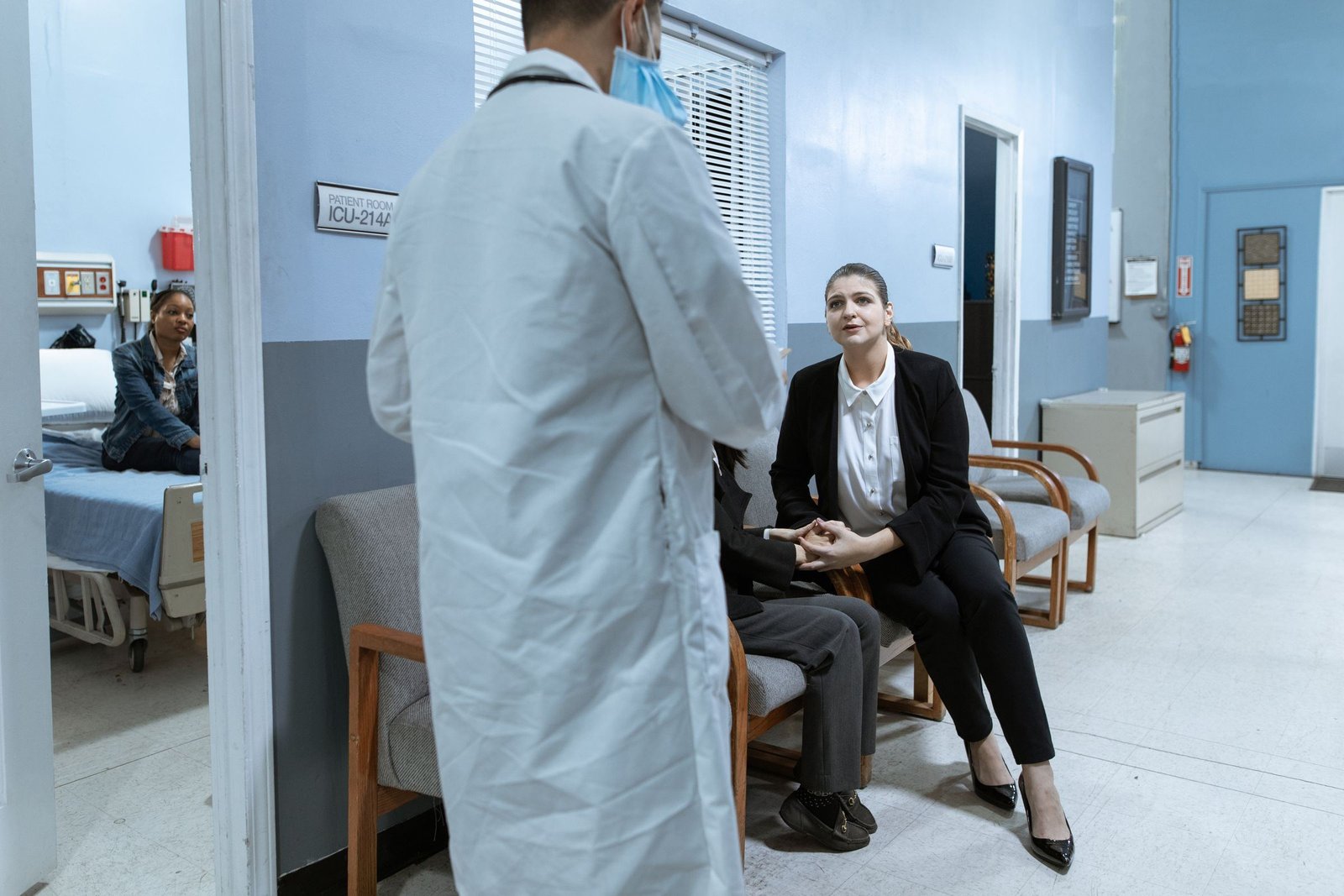

Finding rural opioid treatment options involves a few clear steps. First, use SAMHSA's free treatment locator and helpline. This tool helps you locate providers near you.
Then, look at the kinds of care available. Opioid treatment programs and community health centers are two choices. You can also consider rural health clinics, telehealth, and mobile units.
Openings change frequently. Call each provider to check availability. Also ask about their insurance and specific services.
Our site is a U.S. treatment directory. We pull data from public health sources. We do not provide treatment or do medical reviews. This guide shows you how to locate care.
If you think someone is overdosing, call 911 now. Give naloxone if you have it. Do what the label or the dispatcher tells you to do.
What Is OUD Treatment? Rural Opioid Treatment Options
Recovery from opioid use disorder (OUD) uses a mix of medicine and support. You may get medication, counseling, or other help. Your needs decide the right mix.
If you think someone is overdosing, call 911 now. Use naloxone if you have it. Follow the label or the dispatcher’s instructions. Do not wait for signs to get worse.
3
FDA-approved meds for OUD: methadone, buprenorphine, and naltrexone[1]
24/7
free help from SAMHSA’s National Helpline[2]
These drugs are not alike. Each one works in its own way. Where you get them depends on different rules. A doctor can help you pick the right one. They will look at your health and your daily life.
Read about outpatient care while working if you want care that allows you to keep working.
The SAMHSA National Helpline is free and keeps your info private. It is open all day, every day.[2] Staff talk in English and Spanish.[2] You can also check FindTreatment.gov for local help.[3] This site shows treatment spots all over the U.S.[3]
How to Find Rural Opioid Treatment Options
It can be tough to find care in a rural area. Yet a clear path exists. First, use national tools. Next, seek local help. This path helps you find opioid treatment in a rural area.

- Search FindTreatment.gov. Use this free government tool. It lists providers near you. You can find counseling and medication help here.
- Call SAMHSA’s National Helpline. Dial 1-800-662-HELP (4357). It is free and private. Staff can help you find local opioid care.
- Call your state or county line. Many states have health hotlines. These lines know about local funds. They can point you to nearby clinics or programs.
- Contact local providers. Call nearby opioid treatment programs (OTPs). Also call community health centers and rural clinics. HRSA-supported health centers are often the only locally accessible primary care providers in many areas.[4] Ask what they offer for checks, meds, and referrals.
- Confirm details directly. Check contact info and services before you go. Ask about insurance and video visits too. If you use mobile units, know that federal rules require them to return to the OTP site daily.[5]
You can also search local treatment options in our directory. Narrow your list fast by filtering by place and insurance.
Treatment Choices for People Facing the Opioid Crisis
For opioid use disorder, medications can help many people get better. No one drug is the top pick for all of us. Your provider builds a plan that matches your health and daily life.[6]
Look at the Key Medications
Three key drugs act in distinct ways. Methadone is a full opioid agonist, while buprenorphine is a partial opioid agonist.[7] Naltrexone works differently as an opioid antagonist, blocking opioid effects rather than activating receptors like methadone and buprenorphine.[8] These options are not interchangeable, and the decision about which medication is right for you belongs with a qualified provider who can assess your individual needs.[9]
| Medication | How It Works | Key Start/Access Considerations | Typical Care Pathways |
|---|---|---|---|
| Methadone | Full opioid agonist[7] | Generally provided through a federally certified opioid treatment program (OTP)[10] | Federally certified OTPs[10] |
| Buprenorphine (includes buprenorphine/naloxone) | Partial opioid agonist[7] | Can be prescribed by practitioners with appropriate DEA registration and state authority[11] | Office-based care, OTPs, and other settings[12] |
| Naltrexone | Opioid antagonist[8] | Patients must be opioid-free before starting to reduce the risk of precipitated withdrawal[13] | Any clinician with prescribing authority[12] |
Find Care Near You
What care setting fits you rests on the drug and your needs. You may not find every option in every area. Also, these choices are not always interchangeable.
- Office-Based and Outpatient Care: On a set schedule, you meet with a provider. This setup suits people who need to keep working. Read our guide on outpatient care while working.
- Mobile Services: Some regions use mobile units to bring care to remote areas.
- Residential Care: Live-in treatment is one possible setting chosen with a qualified provider based on an individual assessment. In this setting, you should be able to continue or start appropriate OUD medication.
A Note on Replacing Drugs
There is no blanket swap for Suboxone or any given drug. Shifting your plan is a call for a doctor. Before changing anything, speak with a qualified provider. They can look at your progress and tweak your plan in a safe way.
Checking Telehealth and Mobile Care
If travel is hard, remote care can be a help. However, the rules shift quite a bit. Each state has different services, tech needs, and insurance. Ask your provider about the latest rules. Avoid counting on outdated online details.

Research suggests telehealth for substance use disorder care can work well. For outcomes and staying in treatment, it may match in-person care.[14]
Look through telehealth treatment programs to see choices near you. Use that list to see if a service meets your needs.
Questions for Telehealth and Mobile Services
Your ticks are saved on this device only.
Barriers Like Distance, Cost, or Long Waits
It can be tough to find care in rural areas. If the first path fails, here are steps to keep going.
| Barrier | Next Step & Questions to Ask |
|---|---|
| Long travel distance | Ask: "Do you have a closer location?" or "Can I start with telehealth?" Also ask your state or county access line about nearby options. |
| No reliable transportation | Medicaid covers non-emergency medical transportation for covered services.[15] Ask your Medicaid office how to request rides. If you have private insurance, ask if the provider offers ride vouchers. |
| Insurance or cost concerns | Check your plan details. Marketplace plans must cover substance use disorder services.[16] Ask the provider about sliding scale fees or payment plans. For more on paying out of pocket, see our guide on opioid treatment without insurance. |
| Full waitlist | Call and ask: "Do you have a cancellation list?" or "Can you refer me to another provider?" Calling more than one provider helps you find an opening faster. |
Try this quick check to see where to look for rural opioid treatment access.
Which Rural Access Route Should I Try First?
This self-check is not a clinical assessment and cannot determine which treatment is right for you.
Suboxone, Newer Opioid Treatments, and the “7-Day Rule”
Online, you may run into certain names or rules. They can feel hard to sort out. Here is a safe way to deal with them.

Are there good alternatives to Suboxone?
Suboxone is a brand name, not a broad term for opioid care. It holds two drugs: buprenorphine and naloxone.[17] Other medicines exist, but they are not the same. Do not stop or switch your medication on your own. Ask your prescriber what fits your needs.
Does Amazon Pharmacy sell Suboxone?
Online pharmacies can be useful. Yet rules and stock shift often. Look at these details before ordering:
- Does the pharmacy send orders to where you live?
- Does your insurance pay for this exact item?
- What are the exact prescription rules?
Talk to the pharmacy and your prescriber. Do not think you will get it fast or that it is covered.
What is the latest treatment for opioid addiction?
As of 2024, the FDA has approved three main types of medication to treat opioid use disorder: methadone, buprenorphine, and naltrexone.[1] These are established treatments with proven benefits. While researchers continue to study new formulations and delivery methods, these are not yet standard, approved options for routine care. Check the FDA’s Drugs@FDA database for the most current approval statuses.[18] Then ask your provider if an approved option fits your specific needs, as treatment choices should be individualized.[6]
What does the 7-day opioid rule mean?
This phrase is not tied to just one law. It can refer to different rules or policies depending on the context, such as state-specific prescribing limits, hospital discharge protocols, or insurance coverage windows. Because the meaning changes based on where you live and your specific situation, avoid guessing from posts online. To understand which rule applies to you, check the exact policy with an official state health agency or ask your local treatment center directly.[3]
Opioid Overdose: Recognize It and Get Emergency Help
Act fast if you think someone is overdosing. Naloxone can reverse an opioid overdose when given right away.[19]
- Recognize the signs. Look for confusion, slurred speech, drowsiness, slowed or shallow breathing, blue or gray lips or nails, or a person who cannot be woken.[20]
- Call 911 immediately. Do not wait to see if they wake up on their own. Tell the dispatcher you suspect an opioid overdose.
- Give naloxone if you have it. Follow the product labeling or the dispatcher’s instructions carefully. Naloxone is a life-saving treatment that can work in minutes.[19]
- Stay with the person. Follow the emergency responders’ instructions when they arrive. Even if the person wakes up or seems better after naloxone, emergency medical assistance is still necessary.[21]
In 2023, the FDA let Narcan nasal spray be sold over the counter without a prescription.[22] Ask your local pharmacy or community health programs about getting naloxone. Having it close by can save a life while you wait for help.
Do Not Stop Looking
It takes time to find the right fit. Your clinician makes the final decision on your care plan. They look at your unique needs to see what works best.[9] Research shows that methadone and buprenorphine help lower the risk of death.[23]

Supporting a family member? Check out our guide on finding care for a loved one for more tips.
Next Steps for Finding Local Opioid Care
Your ticks are saved on this device only.
Frequently Asked Questions
What are the differences between methadone and Suboxone?
Methadone and buprenorphine work differently in the body. Methadone is a full opioid agonist. Buprenorphine is a partial opioid agonist.[7] Suboxone is a brand name for buprenorphine mixed with naloxone. Each option has different access rules. There is no single best choice for everyone. A provider can help you pick the right fit.
Can any doctor prescribe Suboxone?
What is a good substitute for Suboxone?
There is no universal substitute. Methadone and naltrexone are other options, but they work differently. They are not automatic replacements. For example, extended-release naltrexone requires you to be opioid-free first.[13] This step reduces the risk of precipitated withdrawal.[13] Do not change your meds based on online advice. Talk to your provider about your options.
Can I get Suboxone from Amazon Pharmacy?
Maybe, but do not assume it works everywhere. Check if they ship to your location. Also check if your insurance covers it. Contact Amazon Pharmacy and your prescriber for details. Rules for online orders can vary by area.
What is the newest treatment for opioid addiction?
"Newest" can mean a new drug or a new way to deliver care. It does not mean it is best for you. You can check drug approval histories in FDA’s Drugs@FDA database.[18] Talk to a provider about current options that fit you.
What is the 7-day opioid rule?
This phrase does not point to one universal rule. It might refer to a state limit or a specific policy. Check federal rules or your state agency site for clarity. Look up the exact rule that applies to you.
Can I get opioid treatment through telehealth if I live far from a clinic?
Yes, telehealth may be an option if you live far away. Clinicians usually need a license in your state.[24] Ask providers if they serve your area. Check if your plan covers remote visits too. Confirm current licensing rules with official sources as well.