

There is no single medicine that fixes all withdrawal. Doctors choose medications for drug withdrawal based on the substance, your symptoms, and your health. Some drugs ease bad feelings. Others treat the root cause of the problem.
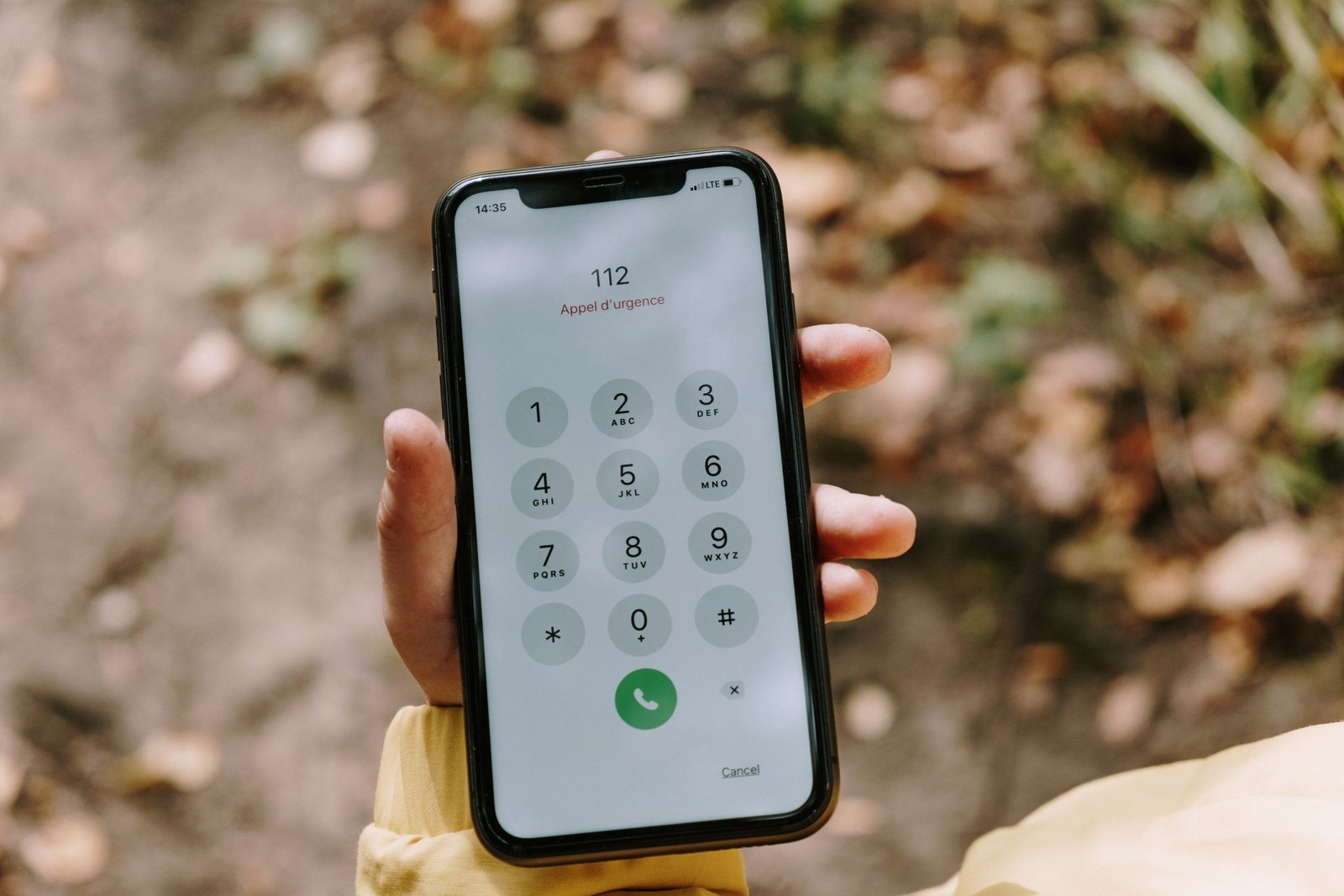
Alcohol and sedative withdrawal can be deadly. Do not try to handle this alone. Get medical help to stay safe. If you are in danger now, call 911 or go to the ER. For suicidal thoughts, call or text 988.
We publish a treatment directory in the U.S. We are not a provider. This guide is for informational purposes only. Learn more about finding medical detox care.
Medications for Drug Withdrawal: The Basics
Clinicians pick medicines based on the drug involved. They also look at your symptoms and health risks.
It helps to know the difference between two types of medicine. Some drugs only ease withdrawal symptoms. Others treat the underlying substance use disorder over time. For example, some opioids can block or replace other opioids. Taking a blocking agent while using a different opioid can cause withdrawal on its own.
3
FDA-approved medications exist for opioid use disorder[1]
2018
was the year the FDA approved lofexidine for opioid withdrawal[2]
These numbers apply only to opioids. They do not mean these medicines work for alcohol or stimulant withdrawal. You can learn more about opioid withdrawal management or alcohol withdrawal medications in our other guides. Always talk with a doctor or other qualified medical professional before starting any new medication.
Medications for Opioid Withdrawal
Medication approaches can vary based on individual clinical needs.[3] The table below compares some options used in opioid withdrawal management and ongoing treatment for opioid use disorder.[4][5][6]

| Medication or group | Purpose in care | Key safety note |
|---|---|---|
| Buprenorphine | Used in clinician-supervised opioid withdrawal management and to treat opioid use disorder.[4] | Can precipitate withdrawal in a person physically dependent on other opioids.[7] |
| Clonidine / Lofexidine | Clinicians may use these to reduce some opioid withdrawal symptoms.[5] | They are not opioid agonist medications.[5] |
| Naltrexone | Used as ongoing treatment for opioid use disorder, not to relieve acute withdrawal.[6] | Starting it too soon can trigger withdrawal in a person physically dependent on opioids; a clinician must determine whether and when it is appropriate.[7] |
This table is for learning only. It is not a prescription plan. Never start, stop, or change these drugs without a doctor's advice.
Why Timing Matters for Buprenorphine
If a person is physically dependent on other opioids, buprenorphine can precipitate withdrawal.[7] This is called precipitated withdrawal.[7] Do not try to handle this at home.
Naltrexone Is for Later Care
Naltrexone is used for ongoing treatment of opioid use disorder, not to relieve acute opioid withdrawal.[6] It blocks opioid effects instead of easing withdrawal symptoms.[6] Starting it too soon can trigger withdrawal, so a clinician must determine whether and when it is appropriate.[7]
Learn more about how these steps work in our guide on opioid withdrawal management. Talk to your doctor or an addiction specialist to find the safest path for you.
Medications for Alcohol or Sedative Withdrawal
Withdrawal from alcohol or sedatives needs close medical care. These drugs affect the brain's central nervous system. Stopping them suddenly can cause dangerous body reactions. A clinician will check your health and symptoms. They will decide the safest path for you.
Managing Alcohol Withdrawal
Benzodiazepines are a common choice for alcohol withdrawal. The American Society of Addiction Medicine (ASAM) recommends them as a first-line approach for moderate or severe cases.[10] These medicines help prevent seizures and delirium.
Clinicians may also consider phenobarbital in some cases. This option is for specific settings with close monitoring. Providers must have experience with this drug.[10] Your care team will decide if it fits your needs.
Managing Sedative Withdrawal
Unlike alcohol withdrawal, there is no single standard medication approach for all sedative withdrawals. Treatment plans are individualized based on the specific substance used and your personal health needs.[3] Clinicians determine the appropriate medication and tapering schedule under close supervision. Do not change or taper your dose on your own. A professional can make a safe plan for you.
Knowing the risks helps you find safe care. Read about withdrawal warning signs to spot when you need urgent help. Always follow the advice of licensed doctors for medications for alcohol or sedative withdrawal.
Other Drugs and Symptom-Relief Medicines
If you are quitting stimulants or cannabis, you still need a doctor. There are no FDA-approved medications specifically approved to treat stimulant use disorder.[11] For these drugs, doctors usually focus on easing symptoms.
The same is true for cannabis. No medication is approved by the FDA specifically to treat cannabis withdrawal.
Do not use over-the-counter drugs like Benadryl, hydroxyzine, or propranolol to manage withdrawal alone. Feeling better for a short time does not mean it is safe to go it alone. A clinician can help ease symptoms. But they must first check the substance you used. They also need to review your other medicines and health conditions.
- Tell the clinician what you used. Share the specific drug and when you last used it. This helps them check your risk.
- List your symptoms and medicines. Tell them about any discomforts. Also list all pills or supplements you take now.
- Ask about the right level of care. Ask if you need medical supervision for withdrawal.
- Follow the clinician's plan. Do not try over-the-counter or borrowed medicines on your own.
When Withdrawal Is an Emergency
Some withdrawal symptoms are medical emergencies. If you or someone you love is showing these signs, do not wait to see if they improve. Call 911 or go to the nearest emergency room right away.

For suicidal thoughts, call or text 988. If there is immediate danger, call 911.
| Warning Sign | Action Now |
|---|---|
| Seizures | Call 911 or go to the emergency room immediately.[12] |
| Hallucinations or severe confusion | Call 911 or go to the emergency room immediately.[12] |
| High fever or racing heart during withdrawal | Call 911 or go to the emergency room immediately.[12] |
This table is not a diagnostic tool. Do not use it to decide if symptoms are "bad enough" to wait out. Severe alcohol withdrawal can be life-threatening and involves these specific risks.[12] Opioid overdose signs include a person who cannot be awakened and has slow, shallow, or absent breathing.[13]
If you are unsure whether a situation is an emergency, treat it as one. You can learn more about what to watch for in our guide on withdrawal warning signs.
How to Find Medically Supervised Withdrawal Care
The safest next step is to talk to a professional. They can check your needs. Withdrawal care happens in many places. This ranges from outpatient clinics to full inpatient hospitals.[14] You might search for "medical detox near me." Or you can ask a local hospital. The goal is to find a team that watches your health closely.
If you are not sure where to start, call the SAMHSA National Helpline. It is free and private. Staff can help you find local treatment options.[15] This is a referral service, not an emergency line. If you have danger signs, call 911 or go to the nearest emergency room now.
Questions to Ask About Withdrawal Care
Your ticks are saved on this device only.
What Is the Safest Next Step?
This self-check is for information only and isn't a diagnosis.
You can read more about talking to your doctor before you make calls. You deserve clear answers about your safety.
Withdrawal Management and Ongoing Treatment
Finishing withdrawal is a big first step. But it is not the end of your care. ASAM says that managing opioid withdrawal alone is not effective treatment for opioid use disorder.[16] Think of this phase as clearing the way for long-term support.

Check-up and supervised withdrawal
You get medical care to manage symptoms safely.
Planning your next steps
Your team talks through your options before you leave.
Ongoing treatment
You start or continue medication, counseling, and recovery supports.
This path is a possibility, not a fixed schedule. Your plan depends on your health and needs. Staying in medication treatment lowers the risk of overdose death compared to being out of treatment.[17]
Ask your team about the next step before you leave. You might continue with medication or start counseling. You can also join a recovery support group. Choosing these options together helps you get the right support. Read our guide on detox versus ongoing rehab to learn more. You can also search for treatment programs that offer these services near you.
Frequently Asked Questions
What’s good for withdrawal symptoms, and what should I give someone who is withdrawing?
Do not give a borrowed or store-bought medicine to treat withdrawal. This is not a safe substitute for a medical check-up. Call a clinician or a withdrawal-care service. Tell them what substance was used. List all current symptoms and other medicines. If there are emergency signs, call 911 or go to the nearest emergency room now.
Can Benadryl help with withdrawal symptoms?
Benadryl is not a standard treatment for withdrawal and does not treat the underlying withdrawal syndrome. It contains diphenhydramine, which can cause drowsiness, especially when mixed with alcohol.[18] Do not use it to treat withdrawal on your own. Ask a clinician before giving it, particularly if the person took other drugs or substances.
What drug is used to block withdrawal symptoms?
No single drug blocks withdrawal from all substances. Naltrexone blocks opioid effects. It is not for self-treatment of acute withdrawal. It can trigger withdrawal in people dependent on opioids.[7] Always follow specific orders from a medical provider.
Does propranolol help with opioid withdrawal?
Propranolol is not a standard treatment for opioid withdrawal and does not treat the underlying withdrawal syndrome. It works by relaxing blood vessels and slowing heart rate to improve blood flow and decrease blood pressure.[19] Do not take or give propranolol for withdrawal without a clinician’s advice. Ask about safer care for the whole body, not just one symptom.
What medication is used for opioid withdrawal?
Doctors choose medicines based on individual needs. No one option fits everyone. Lofexidine is a non-opioid option for adults. It is labeled to ease opioid withdrawal symptoms.[2] A care team picks the best fit for health factors.
Does hydroxyzine help with withdrawal symptoms?
Hydroxyzine is not a standard treatment for withdrawal and does not treat the underlying withdrawal syndrome. It can cause drowsiness.[20] Do not use hydroxyzine for withdrawal without a clinician’s advice. Ask if it is right for your situation. Check if it interacts with other medicines or substances.
Are there different medications for alcohol or sedative withdrawal?
Yes, doctors use specific plans for each substance. Alcohol and sedative withdrawal need close medical watching. ASAM recommends thiamine during alcohol withdrawal care.[10] Thiamine helps prevent Wernicke encephalopathy.[10] Do not stop alcohol or sedatives alone on your own. Ask a clinician about supervised care.