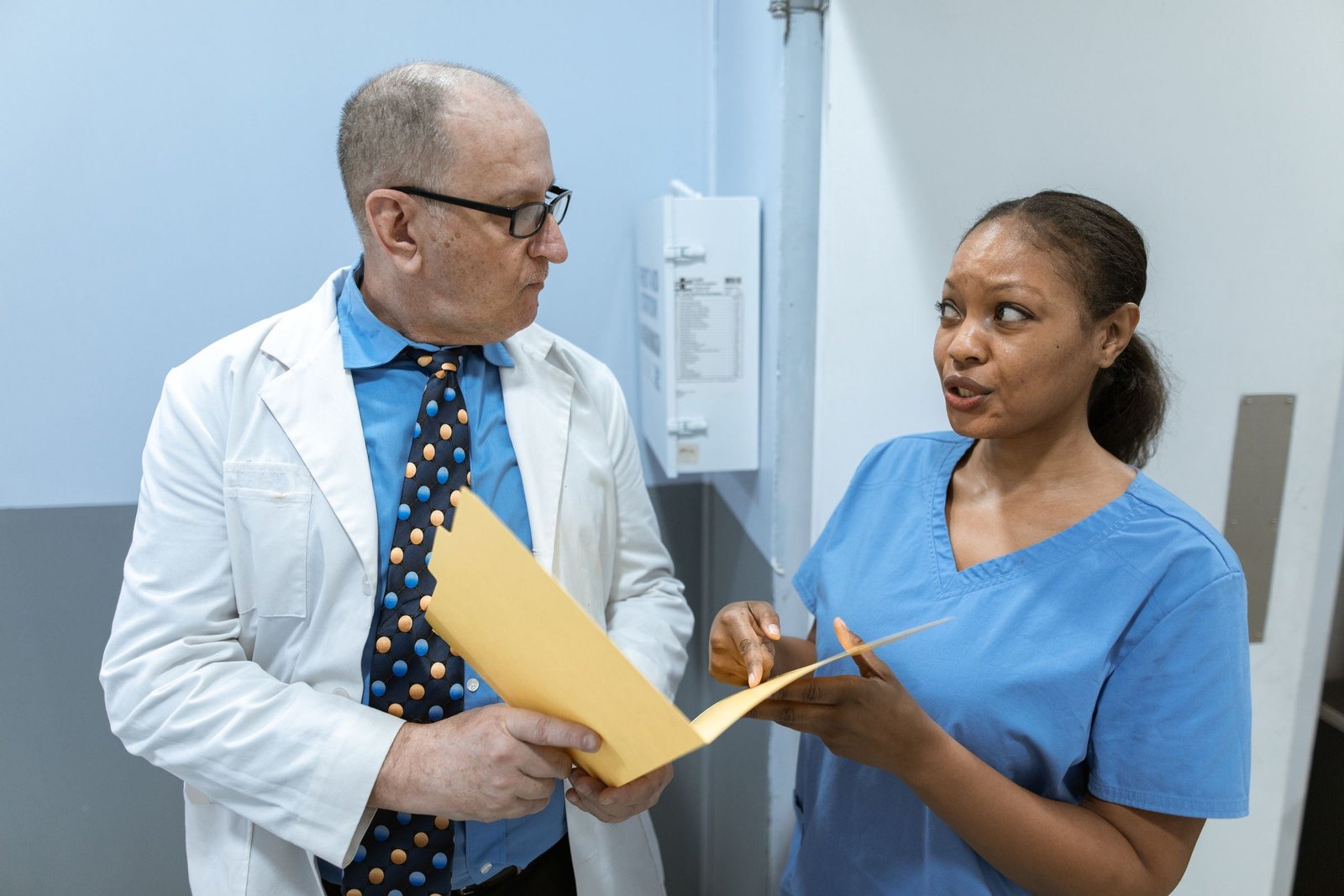

The most important questions to ask detox center staff cover medical supervision, emergency readiness, cost, and follow-up care. You want to know who is on duty. You also want to know how they handle a medical emergency. Ask what you may pay, and what happens after you leave. Always check a program's license with your state agency. This checklist helps you compare options. It cannot tell you if it is safe to detox at home.
We are a treatment directory publisher, not a clinic or provider. This guide is for information only. It is not medical advice. For broader context on finding appropriate drug detox care, see our location guide.
If someone is unresponsive, having trouble breathing, seizing, or severely confused, call 911 or go to the nearest emergency room now. For thoughts of suicide or self-harm, call or text 988.
Begin With Safety and the Right Level of Care
Choosing a safe drug detox program takes careful comparison. This guide helps you ask the right questions. It can't tell you which setting is medically right for you or your loved one. Only a clinician who evaluates the person in front of them can make that call.
If there is an emergency, get help first. Call 911 or go to the nearest emergency room. Once you are ready to compare programs, use these four steps.
- Address an emergency first. Danger signs like seizures, severe confusion, hallucinations, a high fever or racing heart during withdrawal, or thoughts of suicide mean calling 911 or going to the nearest emergency room right away. Don't wait for a program to answer the phone.
- Ask what services the center actually provides. Not every facility offers the same care. Ask whether they provide 24-hour medical supervision, medication-assisted treatment, or only comfort care.
- Verify staffing, licensing and fit. Check that the center is licensed in your state. Check that medical staff are on-site or immediately available. Ask how they check each person's needs before admission.
- Confirm costs and the next step after detox. Ask what your insurance covers and what you would owe out of pocket. Also ask how they help you move into ongoing treatment when detox ends.
Detox is a first step, not a finish line. Effective care also looks at more than just substance use; it attends to multiple needs of the individual.[1]
Needs vary widely from person to person. Matching a person's level of care requires an individualized assessment of their specific needs and risks.[2] That assessment happens in person with a qualified provider, not through a web-based self-test.
Questions to Ask a Medical Detox Center
Not every facility that says "detox" gives the same medical care. When you search for a medical detox near me, use these questions. They help you learn what supervision you or your loved one would actually get.

Start by asking who checks someone before admission. Ask what medical services the center offers on site. Also ask if licensed nurses and doctors are there overnight and on weekends, or only on call.
Next, ask how patients are watched during withdrawal. Find out who responds if someone's condition changes fast. Ask how the center moves someone to a hospital if needed.
Finally, ask what needs the program cannot handle. A good facility will be clear about its limits. It will refer people elsewhere when its services aren't a fit.
Our directory lists medical detox programs across the country. Always check current services and availability directly with each provider before making plans.
If you need help finding options, try the SAMHSA National Helpline. It is a free, confidential treatment-referral service available 24 hours a day, 7 days a week, 365 days a year.[3] You can reach it at 1-800-662-HELP (4357).[4] People seeking help for themselves or a loved one can use this number to connect with treatment referrals near them.[4] Remember that this helpline is for referrals, not emergencies. If someone faces a medical emergency, call 911 instead of waiting for referral help.[5]
24/7/365
availability of the SAMHSA National Helpline[3]
1-800-662-HELP (4357)
toll-free number for treatment referrals[4]
Free
confidential treatment-referral service in English and Spanish[3]
Questions to Ask a Rehab Facility About Staff and Safety
When you tour a detox center, ask who is there and what they can do. You want to know which licensed professionals are involved, who is clinically responsible for care, what credentials staff hold, and who is available during each shift.
Also ask how the center spots a worsening condition, when it calls emergency services, and how it moves someone to a hospital. Write down answers as you go. If something sounds vague, ask for specifics.
What to Ask and What to Verify
Use this table to compare centers side by side. Pair each question with the details you record.
| Topic | Question to ask | What to verify or clarify |
|---|---|---|
| Staff credentials and shift coverage | Which licensed clinicians are on staff, and who is clinically responsible for care? | Get names and license types. Ask who covers nights and weekends. Confirm that accreditation does not replace state licensure. |
| Monitoring | How do you monitor patients during withdrawal? | Ask how often checks happen and what signs trigger a change in care. |
| Emergency escalation | When do you call emergency services? | Ask for the exact signs that prompt a 911 call. Confirm staff can give naloxone if an opioid overdose is suspected.[6] |
| Hospital transfer | How do you transfer someone to a hospital? | Ask which hospitals they use and how quickly transport arrives. |
| Verification | How can I check a clinician’s license or the center’s accreditation? | Ask for license numbers and accreditation documents. Check them with your state licensing board and the accrediting body directly. |
Urgent Signs Are Not Waiting Room Issues
If someone shows signs of an opioid overdose, such as slowed, shallow or difficult breathing, severe sleepiness, or not being able to respond or wake up, call 911 or go to the nearest emergency room right away.[6] Give naloxone if you have it, then still call 911.[6]
During alcohol withdrawal, go to the emergency room or call 911 if seizures, fever, severe confusion, hallucinations or irregular heartbeats occur.[7] Do not wait for a provider callback. See when withdrawal requires emergency care for more danger signs.
Questions About Substances, Health, and Other Needs
When you are figuring out how to choose a drug detox center, ask what information they use. A good program looks at the whole picture. They do this before recommending a setting.

Start by asking how they check every substance you use. Mention if you use more than one at a time. This can change the risks. Share any past problems during withdrawal, such as seizures or severe confusion. List all current prescriptions and other medications you take. The American Society of Addiction Medicine (ASAM) guidelines state that withdrawal-management criteria consider the potential for withdrawal and the risks that may affect the appropriate setting.[8]
Your overall health matters just as much as your substance use. Ask how the center considers medical conditions, mental health needs, and your living situation when deciding on care. ASAM's assessment framework includes biomedical needs along with emotional, behavioral, and cognitive conditions when considering care.[9] If you have diabetes, heart issues, or a mental health condition like depression or anxiety, make sure the staff asks about them.
Ask what the program can address directly. Also ask how they coordinate care for needs outside their scope. Some centers handle everything under one roof. Others refer you to outside doctors for certain issues. Knowing this helps you plan ahead.
If pregnancy is relevant to you, ask how the center works with obstetric care. Prenatal health needs special attention during withdrawal. Clear communication between providers is essential here.
Never stop taking a medication on your own because a detox center suggested it. Always talk with your prescriber first. If you use alcohol or sedatives regularly, contact a clinician before stopping or attempting withdrawal. This guide cannot determine whether managing withdrawal at home is safe for you.
Questions About Costs and Insurance
Detox costs vary widely. The price on a website rarely tells the whole story. Ask for a written breakdown of every charge. You need to know what the price covers. You also need to know what might appear on a bill later.
Marketplace plans must cover substance use disorder treatment as an essential health benefit. However, your specific covered services and out-of-pocket costs depend on your plan.[10] Federal parity rules generally prevent insurers from placing stricter financial limits on mental health or substance use disorder benefits than on medical care.[11] Still, you need to confirm how these rules apply to your specific policy.
Use this table to guide your conversation with admissions staff.
| Topic | What to Ask | What to Request in Writing |
|---|---|---|
| Program Charges | What is the total estimated cost for the stay I’m considering? | A detailed estimate broken down by day or service category. |
| Tests and Medications | Are lab tests, vitals monitoring, and comfort medications included in the base rate? | A list of services billed separately from the daily rate. |
| Insurance Authorization | Do you require prior authorization before I can be admitted? | The name of the department handling authorizations and their direct phone number. |
| Network Status | Are you in-network for my specific insurance plan? | Confirmation that they have verified my benefits directly with my insurer. |
| Deposits or Fees | Is there a deposit required at admission? Are there fees for discharge planning or records? | A schedule of all non-refundable fees and deposit policies. |
| Out-of-Pocket Costs | What is my estimated deductible, copay, or coinsurance for this stay? | An explanation of benefits (EOB) estimate if available, or a clear calculation method. |
Ask what happens if your coverage is denied or changes during your stay. Find out who to call if you have billing questions after you leave. If you need more help comparing prices across different facilities, read our guide on questions to ask about treatment costs. You can also use our tool to verify your insurance benefits before you call providers.
Plan for Care After Detox
Detox is often the first step, not the last one. ASAM's care framework emphasizes planning transitions and continuity when a person moves between levels of care.[12] When you are choosing a safe drug detox program, ask how they handle the handoff to what comes next.
Before admission
Ask when follow-up planning begins. Find out who helps arrange the next appointment and whether the center can coordinate a direct referral or handoff.
During the stay
Ask how the program addresses ongoing treatment options. If medication for opioid use disorder is relevant, ask how they discuss it with you and your doctor, without pushing a specific course of treatment.
Before discharge
Confirm the referral or next appointment is set. Ask what happens if the next provider has a waitlist or if you need a different level of care than originally planned.
After discharge
Connect with the chosen provider and support network. Make sure you know who to call if you need help before your next appointment.
This sequence is for planning, not a clinical schedule. Your needs may change during detox, and that is normal. The goal is to make sure there is no gap between leaving detox and starting ongoing care.
If you are unsure what comes after detox, read our guide to the difference between detox and rehab. It explains how these two steps work together in recovery.
Find Local Options and Verify What They Tell You
Knowing how to choose a drug detox center starts with finding local options. Then, you need to check their claims. SAMHSA's FindTreatment.gov is a federal locator for substance use disorder and mental health treatment options in the United States.[13]

Use it to build a short list. Then, call each program directly. Confirm current services and availability.
Next, verify the facility's standing. Check your state's behavioral health or health department website. Look for licensing records to see if the license is active. Also, check for any disciplinary actions. You can also check if a provider holds CARF accreditation by searching the CARF directory.[14]
Watch for red flags when you call. Be cautious if a center refuses to explain staffing. Be wary if they do not share emergency procedures. Avoid centers that guarantee a specific outcome. Do not commit before costs are clear. Ask how they handle transfers to higher levels of care.
Detox Center Call Checklist
Your ticks are saved on this device only.
Listen for these signs of transparency:
- Direct answers to your questions without deflection.
- Clear statements about what they cannot treat (e.g., "We do not handle acute alcohol withdrawal").
- Specific descriptions of emergency protocols (e.g., "We stabilize and transport to St. Mary's ER").
- Willingness to provide written cost estimates.
- A named follow-up plan or partner program for continued care.
Did the Center Answer the Important Questions?
This self-check evaluates the clarity of provider answers, not medical suitability or withdrawal risk. If someone has suspected overdose, unresponsiveness, trouble breathing, a seizure, or severe confusion, call 911 or go to an emergency department now. For suicidal thoughts, call or text 988.
Frequently Asked Questions
How long is a stay at a detox center?
There is no single stay length that fits everyone. The American Society of Addiction Medicine (ASAM) recommends matching a person's level of care to an individualized assessment of their needs and risks.[2] Because factors like the substance used, medical history, and severity of dependence vary, timelines differ significantly. Ask the program what guides their expected timeline and when they check your progress.
What are the hardest days of detox?
There is no universal "hardest day" for everyone. For example, alcohol withdrawal symptoms can escalate quickly, while other substances have different timelines. Because withdrawal can be dangerous, do not use a general timeline to decide if it is safe to manage symptoms alone. If you experience seizures, severe confusion, hallucinations, a high fever, or a racing heart, call 911 or go to the nearest emergency room immediately.[7] Ask how the center monitors for changing symptoms and what they do if you get worse.
What should I ask for in a written cost estimate?
Ask for a written estimate that lists services, fees, and separate charges. If you pay out of pocket, federal rules help you. Providers generally must give you an estimate if you book care at least three business days ahead.[15] Ask if the estimate assumes you will use insurance. Ask what costs might change after claims are processed.
Does every detox center have a doctor on site 24/7?
Do not assume every center has the same staffing model. A doctor may not be there around the clock. Staffing levels can vary based on patient needs and condition severity. Ask who is on site and who is on call. Ask how fast a clinician can respond to emergencies. Check which state license applies to the program.
Are the “60% rule” or “3-3-3 rule” established standards for addiction treatment?
Do not treat these phrases as universal clinical standards. People use these terms in different ways. Treatment should fit your individual needs, not rigid rules.[16] Ask whoever used the phrase to explain its source and meaning. Rely on an individual check from your care team instead of a shorthand rule.
What questions will admissions staff ask me?
Admissions staff typically ask questions to assess your immediate safety and care needs, not to test you. Common topics include the substances you use, your history of withdrawal symptoms, current health conditions and medications, prior treatment experiences, and your support system at home.[9] This information helps the clinical team determine the right level of care and ensure your safety during detox.