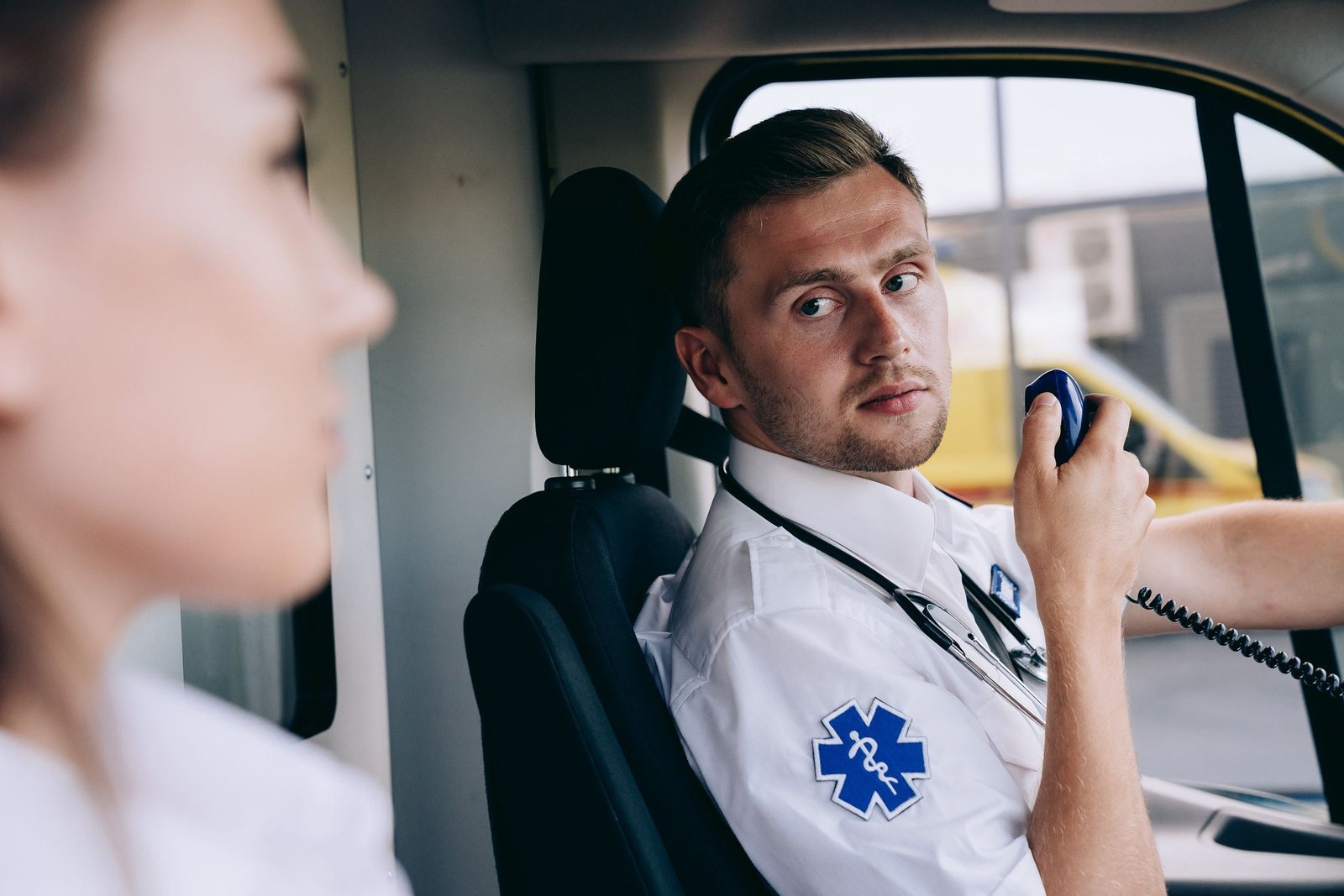

You can save a life by knowing how to use naloxone. If you think someone is having an opioid overdose, call 911 or go to the nearest emergency room now. Give the naloxone you have immediately. Stick to the directions in the package. Do not delay to identify the exact drug before acting.
This guide covers emergency steps for naloxone. It discusses following product directions and caring for the person until help comes. It does not replace emergency services.
We are a U.S. treatment directory, not a treatment provider, and we do not claim medical review.
First Actions in a Suspected Opioid Overdose
If you suspect an opioid overdose, act quickly. An overdose can slow or stop breathing,[1] so time matters. Complete these steps in this order.
- If another person is there, let them make the call while you remain with them.Call 911 or go to the nearest emergency room now. Do not pause to confirm what drug was used.[2]
- Give naloxone if you have it. Give it now, following the directions on the product. Naloxone can temporarily reverse the effects of an opioid overdose,[2] and it is safe to give even if you are not certain an opioid was involved.[2]
- Follow the dispatcher's directions. They can walk you through rescue breathing or other actions while help arrives.
- Stay with the person. Keep watching their breathing until emergency responders arrive.
Spotting these signs helps you act quickly. Our guide on signs and treatment explains more about recognizing an opioid overdose.
Administering Naloxone Safely
Begin with your specific kit to learn how to use naloxone. Products vary by brand and form. Read the steps included in your box. If you call 911, follow the dispatcher's orders. Avoid guessing. Never use steps meant for a different product.

Naloxone comes in more than one form, like a nasal spray or an injection.[3] The table below shows where to find the right steps for each type. This table helps you locate the instructions. It is not a replacement for them.
| Product Type | Where to Find Instructions | Key Reminder |
|---|---|---|
| Nasal Spray | The carton or insert in your specific brand's box. | Steps change by brand. Do not assume one spray acts like another. |
| Injectable / Auto-Injector | The packaging or training sheets for your specific device. | Setup and usage steps are unique to each product. |
If you lack naloxone now, find where to get naloxone locally before an emergency occurs.
~2 minutes
onset of action when given intravenously[4]
30–90 minutes
how long naloxone's effects last[5]
Medical sources give these general time ranges. They are not commands to wait or repeat doses. Follow your kit's label and emergency responder guidance for next steps.
Actions to Take While Waiting for Paramedics
If you suspect an opioid overdose, call 911 or go to the nearest emergency room now. If you are with other people, ask one to call for help while you remain with the person needing care. Follow the 911 dispatcher’s instructions carefully. They can walk you through first aid steps while you wait for help to arrive.
Emergency Checklist
Your ticks are saved on this device only.
Some opioids stay in the body longer than naloxone lasts.[9] So trouble breathing or deep sleepiness may return after it looks like they improved. Do not leave them alone, even if they wake up. Keep watching them until emergency workers take over.
Immediately after calling 911
If asked, remain on the call with the dispatcher. If the person is not breathing, give naloxone if available and start rescue breaths or CPR while following the dispatcher’s directions.[6]
While waiting for responders
If they are breathing and do not need CPR, place them in the recovery position.[7] Stay near them and watch their breathing.[8] Be ready to act again if symptoms come back.[9]
When responders arrive
Move away so they can evaluate the scene. Say clearly what was taken, the naloxone dose, and the time you gave it. Give any other medical information you have.
Surviving the crisis is key, yet recovery goes on after. Our related guide offers more guidance on support after an overdose.
Naloxone's Limits and Uses
Naloxone and Narcan are the same drug. Narcan is just a brand name for naloxone. It blocks the effects of opioids.[10] It helps reverse the breathing problems that can cause death in an opioid overdose.[2]

Naloxone works on opioids only. It does not help with alcohol, benzodiazepines, barbiturates, or ketamine.[10] If someone used a mix of drugs, naloxone may help with the opioid part.
You may worry about using naloxone on someone who did not take opioids. It has no effect if there are no opioids in the body.[11] In people who use opioids often, it can cause sudden withdrawal.[12] This feels awful, but it is rarely life-threatening.
If you think someone is overdosing, do not wait to guess what they took. Call 911 or go to the nearest emergency room now. Give naloxone if you have it. Even if they wake up, you must still call 911 or go to the nearest emergency room now.[11]
Avoid Changing or Diluting the Naloxone
Never dilute, mix, or alter a naloxone product. Follow the instructions for that specific device exactly. If a suspected overdose is happening, call 911 or go to the nearest emergency room now and follow the dispatcher’s directions. If you have questions before an emergency, talk to a pharmacist or the program that provided the kit.
Naloxone products act in various ways. The body takes in naloxone differently based on the method used. Therefore, the proper dose relies on the route and is detailed in each product's labeling.[13] For instance, certain injection products advise weight-based dosing for kids, whereas nasal sprays may use a set dose.[14] This is why you should never exchange steps between products or attempt to mix a dose yourself.
For step-by-step help with your exact device, go back to the section on reading your product's instructions.
Prepare Now and Plan Ahead
You can focus on readiness once the danger is gone. This self-check is only for planning. Do not use it during an active overdose. If you suspect someone is overdosing right now, call 911 or go to the nearest emergency room now.

Are You Ready to Respond?
This self-check is for preparedness only. It is not a diagnostic tool and must not be used during an active overdose.
If you are having suicidal thoughts or feel unsafe, call 911 or go to the nearest emergency room now, and call or text 988. If you or someone else is in immediate danger, call 911 or go to the nearest emergency room now.
To prepare ahead of time, consider building a household naloxone kit. Look into help finding opioid treatment for help with recovery once the emergency ends.
Frequently Asked Questions
How much naloxone should be used?
Read the directions on the exact product you have. Never guess a dose or copy steps from another brand. If you are unsure, follow the 911 dispatcher’s directions. For a suspected overdose, call 911 or go to the nearest emergency room now.
Is naloxone hydrochloride the same as Narcan?
Yes, regarding the main drug. Naloxone hydrochloride is the active ingredient in Narcan nasal spray.[16] Naloxone is the generic name, and Narcan is a brand name for one product. Check the label on the package you hold, as steps apply to that specific product.
What happens if you give someone naloxone and they do not need it?
Worry about mistakes should not stop you. Naloxone has no effect if no opioids are in the body.[17] Emergency responders must assess anyone unresponsive or breathing abnormally, even if naloxone was given.Call 911 or go to the nearest emergency room now.
How do you dilute naloxone for administration?
Never mix or dilute naloxone on your own. Take-home kits, like OTC Narcan nasal spray, are pre-filled single-use devices.[18] Use the instructions that came with your kit. This guide lacks steps for injectables. Ask a qualified healthcare professional about them.
What drug will Narcan not work on?
Naloxone reverses only opioids. It does not reverse the effects of non-opioid drugs, including xylazine.[19] However, because xylazine is often mixed with opioids like fentanyl, you should still give naloxone if an opioid overdose is possible.[19] Call 911 or go to the nearest emergency room now, as emergency care is still needed even if naloxone doesn’t fully resolve the situation.
Should you call 911 if naloxone appears to work?
Yes. Product labeling directs users to call 911 or go to the nearest emergency room now after giving naloxone, even if the person wakes up.[20] Naloxone wears off faster than many opioids, so breathing problems can return. Stay with the person and follow the dispatcher’s directions while waiting for help.