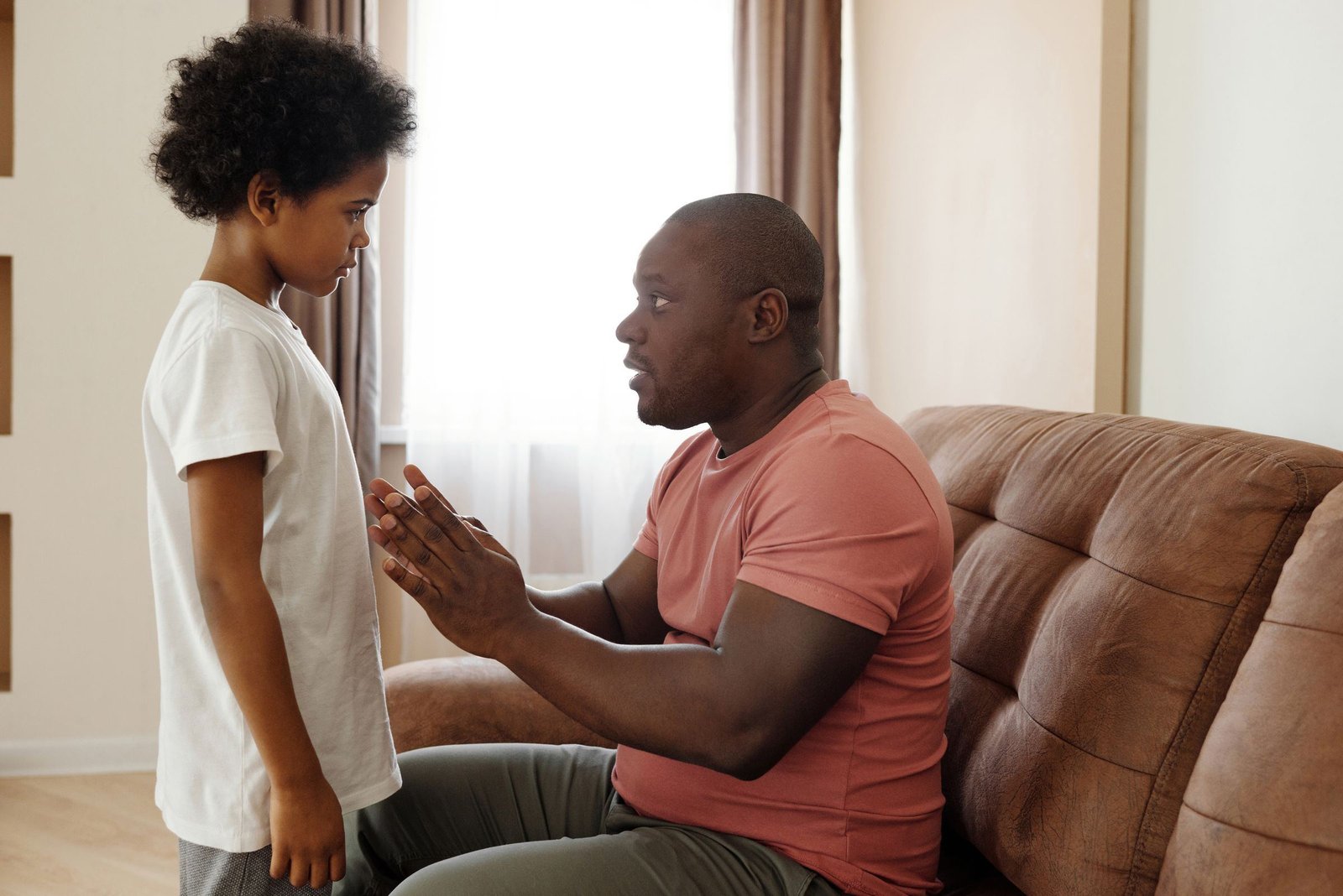

Helping a loved one through benzo withdrawal involves staying calm and listening without judgment. You can help with practical tasks, but their care team should manage the taper. You are not responsible for handling their withdrawal symptoms.
Be aware of danger signs. If you see a seizure, severe confusion, hallucinations, a high fever, or a racing heart, call 911 or go to the nearest emergency room now. The same applies if you suspect an overdose.
If they have thoughts of suicide or self-harm, call 911 or go to the nearest emergency room now. You can also call or text 988.
Read our guide to supporting someone who is having problems with benzodiazepine use for wider advice on beginning this process. We are an editorial team that checks public health sources. We share informational guides, not treatment services.
Safety and the Care Team Come First
Benzodiazepine withdrawal poses risks. It is especially risky to stop suddenly or reduce the dose too fast. The FDA warns that serious withdrawal reactions can happen. Seizures are one such reaction and can be life-threatening.[1]
Given these risks, do not manage a taper or change meds without the care team. The clinician may suggest outpatient or facility-based care based on the person's situation. Your role is to help your loved one stay connected to their doctor or treatment team.
Call for Emergency Help Now
If you see danger signs, call 911 or go to the nearest emergency room now.If you see any of these, call 911 or go to the nearest emergency room now:
- Seizure activity
- Intense agitation or confusion
- Seeing or hearing things that aren’t there
- Fainting or passing out
- Difficulty breathing
- Signs of an overdose
If safe, stay with the person until help arrives. Our guide to drug withdrawal emergency signs explains more signs to watch for.
Which Number to Dial?
Help needed varies by situation. Use this quick guide:
911
For a seizure, severe confusion, hallucinations, loss of consciousness, trouble breathing, overdose, a high fever or racing heart during withdrawal, call 911 or go to the nearest emergency room now[1]
988
For suicidal thoughts, call 911 or go to the nearest emergency room now, and also call or text 988 for free, confidential support 24/7[2]
1-800-662-HELP (4357)
Call SAMHSA’s National Helpline for free treatment referrals 24/7[3]
Steps to Help a Loved One
Being steady is often key when helping a loved one through benzodiazepine withdrawal. You can stay present and help without trying to take control. Even if taken exactly as prescribed, these medications can cause physical dependence.[4]

Because withdrawal can bring serious symptoms, your main task is helping them stay in touch with their care team. You should not attempt to manage their medical plan on your own.
Consider these five practical actions.
- Ask what kind of help they want. Do not guess what they need. Ask if they want help booking appointments, driving, or having you join a visit. Let them pick the support level that feels right.
- Offer logistical support. Withdrawal can change energy and focus. Managing rides or schedules clears obstacles. That allows them to concentrate on their health.
- If they feel different, urge your loved one to reach out to their prescriber.Help them prepare questions for the prescriber. Never suggest they stop or change medication by themselves. The prescriber alone should make changes to the plan.
- Keep simple notes of observations. Record changes you spot, like shifts in sleep or mood. Note any questions you have. Give these notes to the care team instead of diagnosing symptoms yourself.
- Agree on a respectful check-in routine. Find out how often they want updates and which method works best. This keeps communication open without making them feel monitored or judged.
Trouble sleeping is common during this process. If sleep is a major concern, you might find useful information in our guide on managing sleep issues during withdrawal.
Watch for Safety Issues
Watch for signs that need immediate attention as you help your loved one. Taking benzodiazepines with opioids significantly increases the risk of overdose and death.[5] If someone has signs of an overdose, call 911 right away and stay with them. If an opioid overdose may be involved and naloxone is available, give it and follow the dispatcher’s instructions.[6]
Tracking Rebound Symptoms During Benzo Withdrawal
When someone stops using benzodiazepines, they may see familiar changes. This confusion can affect both the person and their supporters. Some symptoms may look like the condition the medication was treating, not just withdrawal.[7] Because of this overlap, it is often hard to tell if a symptom comes from withdrawal, rebound, or the original illness returning.[8]
Diagnosing issues is not your job, as you are not a doctor. Instead, watch for changes and tell the care team. They can sort out the cause and update the plan if needed.
People often want to know the usual rebound symptoms of benzodiazepine withdrawal. While everyone’s experience is different, certain changes are reported more often. The table below lists some possible symptoms and ideas for what you can note down or discuss with their doctor or therapist.
This table is not a diagnosis. It does not predict how severe or long symptoms will last for anyone. Withdrawal varies widely based on dosage, length of use, and health factors. There is no single “hardest day” for everyone. Check our FAQ section later for questions on timelines and when symptoms typically peak.
If possible, keep a basic log. Write down the date, time, and details of any symptoms you see. Give this log to their healthcare provider during visits. This factual record helps the care team make informed decisions about safety and comfort.
Actions to Take if Symptoms Get Worse
Benzodiazepine withdrawal can sometimes cause serious issues, such as seizures or delirium.[1] As a supporter, your job is to spot danger signs. You must know when to act quickly. You do not need to figure out what caused new symptoms. Just identify which ones require immediate help.
Be on the lookout for these signs:
- Seizure activity
- Extreme confusion or disorientation about location
- Seeing or hearing things that aren't there
- High fever or rapid heartbeat during withdrawal
- Signs of an overdose, like not waking up, or slow, shallow breathing[6]
- Suicidal thoughts or intent to self-harm
If you see any of these danger signs, call 911 or go to the nearest emergency room now. If the person has thoughts of suicide or self-harm, also call or text 988.
Reach out to the prescriber or treatment team for any other changes. Do not wait for quiz results first. The medical team understands the person's history. They can adjust the taper schedule or provide support.
Next Steps for Supporters
This self-check is for information only and isn't a diagnosis. Any danger sign overrides your score.
Talking Openly, Giving Consent, and Keeping Limits
Intense fear, irritability, and confusion can happen during benzodiazepine withdrawal. Debating these symptoms seldom makes things better. Try speaking with calm and clear words instead. Let them know you see their feelings. Ask what would help right now.

SAMHSA describes it as a way of talking with people about change to strengthen their own motivation and commitment.[9] You are not fixing their feelings. You are offering a steady presence during a hard physical process.
| Instead of | Try saying |
|---|---|
| "You're just being dramatic." | "I can see you're really uncomfortable right now." |
| "Just stop worrying about it." | "Is there something I can do to make you feel safer?" |
| "Why didn't you taper slower?" | "Let's focus on what we can do today." |
| "You need to listen to me." | “What type of support would help you best right now?” |
Establishing Personal Limits
Helping a person through withdrawal takes effort. You need boundaries to protect your own well-being. You can stop a talk if it turns unsafe or abusive. Say something like, "I love you, but I can't continue this conversation if you yell at me. “Let’s resume in an hour.” Come back once calm returns. Learning more about setting healthy boundaries can help you stay steady without withdrawing your care entirely.
Giving Details to Treatment Providers
You may wish to tell your loved one’s doctor or therapist what you observe. HIPAA permits treatment providers to receive info from family or others familiar with the person’s condition.[10] Your observations may add helpful context for their care team.
Receiving info from the clinician works differently. A provider may share related details if the patient consents or does not object. In some cases, a provider may also share limited relevant info using professional judgment, like if the patient is unreachable or unable to decide.[10] Suggest your loved one sign a release form if they want you involved in medical talks. Honor their preference for privacy if they choose it.
Prioritize Self-Care and Locate U.S. Resources
Helping a loved one get through benzodiazepine withdrawal is difficult. You cannot pour from an empty cup. Feeling tired, upset, or afraid is a normal reaction. Caring for yourself isn't selfish. It keeps you steady over time.

First, create a basic plan regarding your personal boundaries. Decide what tasks you can realistically handle and what you need to let go of. Schedule regular breaks, even if they are just ten minutes to walk outside. Pick one person to call for support or to talk things out. Store the treatment team’s contact details where you can access them fast.
Think about joining a family support group. NAMI provides peer support groups for friends and family of those facing mental health conditions.[11] If stress is hard, read our guide on preventing caregiver burnout.
Use federal resources when you are ready to find professional help. You can also search for treatment programs in our directory to compare options near you. If your loved one needs medical supervision to stop taking benzodiazepines safely, learn more about finding a safe detox center.
If there is an immediate medical emergency or danger sign, call 911 or go to the nearest emergency room now. If your loved one has thoughts of suicide or self-harm, call 911 or go to the nearest emergency room now, or call or text 988 for free, confidential support 24/7.
Supporter Self-Care Checklist
Your ticks are saved on this device only.
Frequently Asked Questions
What’s the hardest day of withdrawal?
No single day is the hardest for everyone. Age, other health issues, and past history affect withdrawal risk and severity.[12] Focus on your loved one's specific symptoms, not a fixed timeline. Tell their treatment team about any changes.
When do benzodiazepine withdrawal symptoms usually start?
Find out from your care team what to expect in your loved one’s case.
Which medication is used to reduce the severity of benzodiazepine withdrawal symptoms?
Supporters should not pick or ask for one specific medication for everyone. Clinical guidance does not recommend some adjunct medications, such as carbamazepine, for routine use because evidence is limited.[13] Only the person's prescriber or treatment team makes medication decisions. Avoid suggesting changes to a prescribed plan.
What can I say if my loved one is scared or reluctant to get medical help?
Recognize their fears and ask what worries them most. Skillful reflective listening helps express empathy and can facilitate change.[14] Give them choices, like helping make a list of questions for their doctor or setting up a talk with their clinician. Stay away from threats or arguments, and focus on support they are willing to accept.
Can I contact my loved one’s prescriber if they have not authorized me to join their care?
Share what you notice or worry about with the clinician, even if they cannot give you private details back. HIPAA may let a provider share info with family if the patient is unavailable or incapacitated and it is in their best interests.[10] Still, it is best to ask your loved one directly if they want to let you join care talks.
How long does Klonopin withdrawal last?
How long Klonopin (clonazepam) withdrawal lasts varies widely between people. Symptoms may last weeks for some, but others may face a longer course. Your loved one's treatment team can give the most accurate expectations for their specific situation.
Which benzodiazepine is most abused?
You should treat any benzodiazepine misuse as a serious issue, no matter the drug. Seek professional guidance to handle it safely.
What is “Mother’s Little Helper”?
This term comes from old views on benzodiazepine use. It is not a current medical term. Now, diazepam is a prescription medication used under strict medical supervision.
When can physical dependence on benzodiazepines develop?
Physical dependence can happen even if someone takes benzodiazepines exactly as prescribed.[4] It may occur after steady use for several days to weeks.[4] Stopping suddenly or lowering the dose too fast can cause serious withdrawal reactions, such as seizures.[4] Work with a prescriber to change or stop these medicines safely.