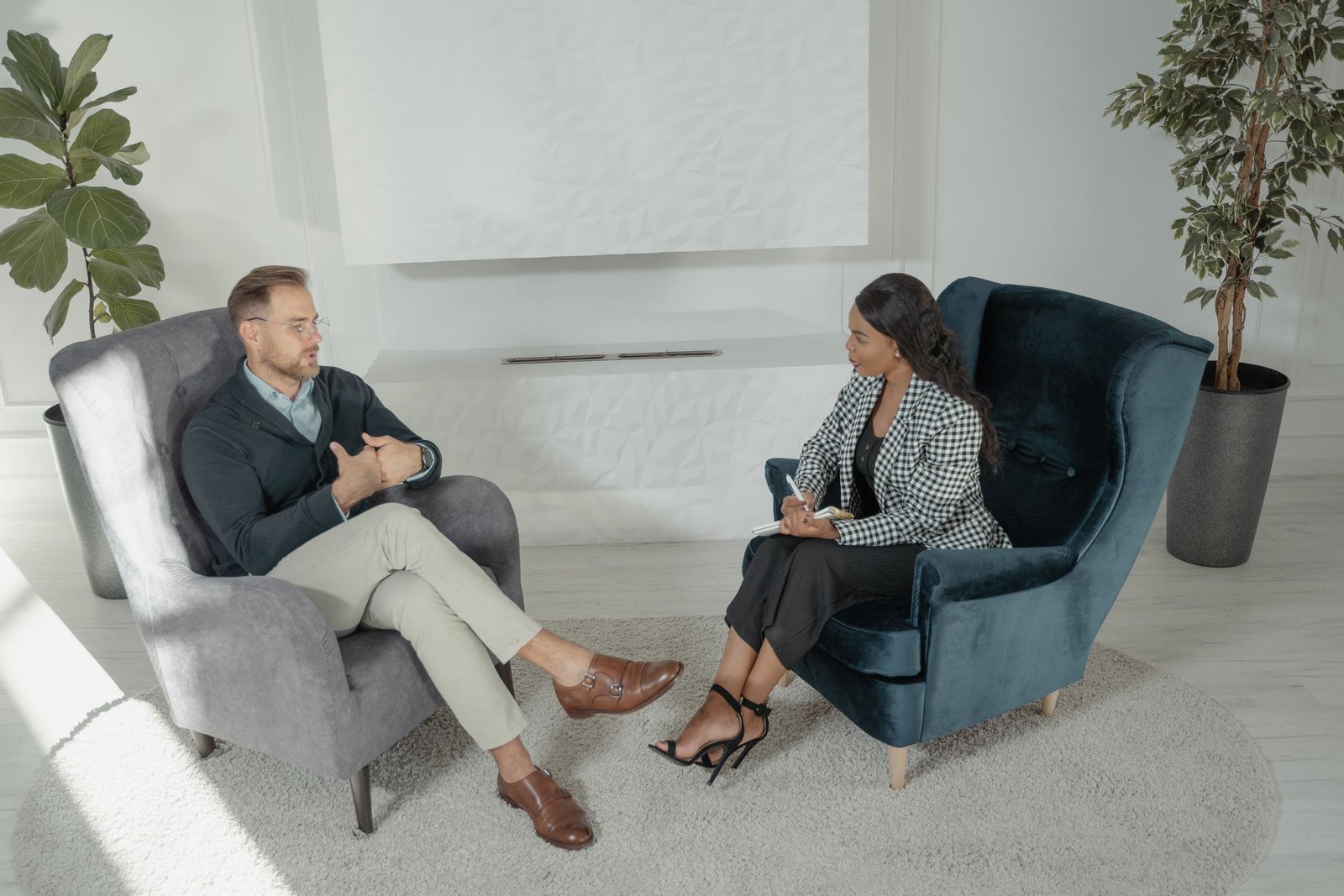

Stimulant recovery support groups are free, peer-led meetings. People share experiences and strategies for staying off meth, cocaine, and other stimulants.
Look for stimulant-focused fellowships. Cocaine Anonymous and Crystal Meth Anonymous are good places to start. You can also try broader groups like SMART Recovery and Narcotics Anonymous. Use each group's official meeting finder to search near you or online. Then, check the current details with the organizer.
This guide compares different group approaches. It also walks through a Denver search path. Finally, it gives you a checklist for your first meeting. We are a treatment directory publisher, not a treatment provider. We do not claim medical review.
Stimulant Support Groups for Meth and Cocaine Recovery
Stimulant support groups can help you connect with others. They understand the challenges of recovery. Two fellowships focus on stimulants. These are Crystal Meth Anonymous (CMA) and Cocaine Anonymous (CA). Both use a twelve-step model. This is a structured path for recovery. It relies on peer support.
Other groups are not limited to one substance. SMART Recovery is one example. It uses a different framework. This framework focuses on self-management skills. Narcotics Anonymous (NA) is another option. NA welcomes people recovering from any drug, including stimulants. You can compare these broader options in the next section.
Attending meetings is a helpful step. However, it does not guarantee recovery. It also does not replace professional care, if you need it. For practical steps on handling bills and rebuilding stability, see our guide to money management in addiction recovery.
12 Steps
used by Cocaine Anonymous
12 Steps
used by Crystal Meth Anonymous
4 Points
in SMART Recovery's program[1]
Meth Recovery Support Groups
Crystal Meth Anonymous is a fellowship for people who want to stop using methamphetamine and other stimulants. You can find local and online meetings through their official website. Before you go, check if the meeting is open to newcomers, and if the format feels right for you. Some groups focus strictly on meth, while others discuss all stimulants.
Cocaine Recovery Support Groups
Cocaine Anonymous helps people recover from cocaine use and other stimulant addictions. Their official site lists meetings across the country. Each group sets its own schedule and format, so availability varies by location. Look for meetings labeled as "open," which means anyone can attend to learn more about the group.
Compare 12-Step, Secular, and Other Peer Approaches
Different groups use different words and formats. None is "best" for everyone. Use this table to see how 12-step fellowships, SMART Recovery, and LifeRing describe themselves.

| Approach | How the organization describes it | What a meeting may emphasize | Questions to ask |
|---|---|---|---|
| 12-step fellowships (CA, CMA, NA) | Fellowships where members share strength, hope, and experience with those who want to stop using drugs or alcohol.[1] | Shared stories, working through steps, sponsor support. Language may reference a higher power. | "Do you use religious language?" "Is there a sponsor role?" |
| SMART Recovery | Focuses on self-management in four areas: motivation, coping with urges, managing thoughts and feelings, and living a balanced life.[1] | Tools and skills for self-control. Discussion is often structured around these four points. | "Is this a lecture or discussion?" "Do I need to attend all four sections?" |
| LifeRing | A secular (nonreligious) peer support network that supports abstinence from alcohol and other drugs.[2] | Peer discussion focused on personal recovery plans. No higher power or step work. | "How much time is for open sharing?" "Do you encourage phone contacts between meetings?" |
Local groups can vary even within the same organization. Always read the specific meeting description before you go. For a deeper look at two common options, see our guide on SMART Recovery vs NA for stimulants.
Which Style Might Fit You Best?
This self-check is for information only and isn't a diagnosis or prediction of success.
Find Online Stimulant Recovery Meetings Near You
Finding the right peer support often starts with a simple search. You might prefer an online peer support groups format, or you might want to meet in person. Using official tools helps you find accurate information.
- Start with an official finder. Go to the website of the group you want to join. Narcotics Anonymous provides an official meeting search through its service resources.[3] SMART Recovery also offers options to find an in-person or online support meeting.[2]
- Enter your location. Type in your city or ZIP code. If you are in Denver, try searching "Denver" or a nearby ZIP code. Choose "online" or "in-person" based on what you prefer.
- Check the details. Read the meeting description carefully. Look for mentions of stimulants, methamphetamine, or cocaine. This helps ensure the group fits your needs. Also check if there are specific rules for newcomers.
- Contact the organizer. Reach out before you travel or click a link. Confirm the date, time, and location. Ask about accessibility and any eligibility requirements.
Using Broader Search Tools
If groups like Cocaine Anonymous (CA) or Crystal Meth Anonymous (CMA) have few local results, try widening your search area. You can also switch to online meetings. SAMHSA’s Treatment Services Locator is another helpful tool that helps individuals locate treatment services across the United States, including for substance use and mental health care.[4]
Keep in mind that a general listing does not guarantee a meeting is focused specifically on stimulants. Always verify the focus directly with the organizer to ensure it aligns with your recovery goals.
What to Expect at Your First Meeting
Walking into a room of strangers takes courage. You don't need to know the rules or have a story ready. Most groups welcome you just as you are.
Every group runs differently. Some are open discussion circles, while others follow a set agenda. You can always ask if it is okay to just listen. Many people do exactly that at their first few stimulant recovery meetings.
Here is a simple way to think about the experience:
Before
Confirm the meeting time and decide how much you want to share. You might plan to say only your first name.
During
Listen first. Ask about the format if it isn't clear. Speak only when you feel ready.
After
Note what felt helpful or uncomfortable. Decide if you want to return or try a different group.
It helps to check the basics ahead of time. Some groups have strict privacy rules, while others are more casual. Knowing what to expect can ease nerves.
Before You Attend
Your ticks are saved on this device only.
If a meeting feels unsafe, judgmental, or just wrong for you, that’s okay. Not every group fits everyone. Read our guide on handling a bad meeting for tips on moving forward without giving up on support.
How Peer Support Fits With Treatment and Continuing Care
Peer support for stimulant recovery can help. But it is not the same as medical care. Knowing the difference helps you know what to expect. It also helps you know when to get more help. If you are dealing with lingering unease, our guide to anxiety after stimulant withdrawal offers coping steps and support options.

Peer Support vs. Clinical Treatment
| Feature | Peer Support Groups | Clinical Treatment |
|---|---|---|
| Purpose | Connection, shared experience, and mutual encouragement. | Diagnosis, therapy, and medical management. |
| Who Provides It | Other people in recovery or trained peers. | Licensed doctors, therapists, and counselors. |
| What It Offers | A sense of community and accountability. | Evidence-based therapies like contingency management.[5] |
| What It Does Not Replace | Emergency care or professional diagnosis. | Peer connection is still valuable alongside clinical care. |
Clinical guidelines suggest specific ways to treat stimulant use disorder. The ASAM/AAAP guideline says contingency management should be the main part of a treatment plan.[5] It also suggests using an integrated behavioral treatment approach. This approach treats both stimulant use disorder and any other conditions at the same time.[6] Our guide to ADHD care and substance use treatment explains how to manage both conditions together during recovery.
Building a Support Plan
You can use peer groups with professional care. This is often called continuing support after stimulant treatment. If you just finished a program, look into continuing care after stimulant rehab. This can help you keep your progress. If you are just starting, read about evidence-based stimulant treatment. This shows you what clinical options look like.
Peer groups do not handle emergencies or guarantee recovery. If you are in immediate danger, call 911 or go to the nearest emergency room now. For mental health or substance-use crisis support, call or text 988.
Recovery Outcomes and the “Five Pillars” Question
You may wonder which addiction is easiest to recover from. You might also ask which support group works best. There is no single answer.
Comparing recovery rates fairly is hard. Studies use different definitions, populations, follow-up times, and outcomes. Because these factors vary, no one program or substance has a proven "highest rate" of success.
You might also hear about the "five pillars of recovery." This is not one official standard for everyone. Different groups use different models. For example, SAMHSA outlined 10 core principles that create a foundation for recovery-oriented care.[7] Check who made a specific model before you assume it is the only path.
If you feel stuck in a pattern, don't judge your progress by one setback. Instead, pick one next step. You could contact a meeting organizer to ask about their format. You could discuss your options with a clinician, or try a different type of meeting. Small changes often help more than starting over.
Building Social Connections in Denver and Finding ADHD Support
Recovery is easier when you have people in your corner. In Denver, look for recurring community activities, volunteer opportunities or public events to build friendships outside of meetings. Local library and recreation department calendars are good places to start.

ADHD support groups focus on living with attention-deficit/hyperactivity disorder. They are not a substitute for stimulant recovery support groups, which center on substance use. Some people find both kinds of support helpful, but they serve different purposes.
If you need peer support for stimulant use, stick with meetings designed for that goal. You can also search for treatment centers near you if you want more structured help alongside community connections.
Frequently Asked Questions
Are there groups specifically for meth or cocaine recovery?
Yes. Crystal Meth Anonymous focuses on methamphetamine recovery. Cocaine Anonymous focuses on cocaine recovery. Check each group’s official meeting finder first. Then, confirm current details with the organizer.
How can I find online stimulant recovery meetings?
Start with official finders for stimulant-focused groups. You can also look at broader options, such as SMART Recovery or Narcotics Anonymous. Look for meetings that are online and open to newcomers. Confirm the details before you join, to make sure it fits your needs.
What happens at a first recovery meeting?
Formats vary widely. Some meetings include readings, open discussion, or a guest speaker. Others follow a different structure. You can ask the organizer what to expect ahead of time. Decide how much you want to share during the session.
Can peer support replace stimulant addiction treatment?
Peer groups offer connection and shared experience. However, they do not provide clinical assessments or individualized treatment plans. There are currently no FDA-approved medications specifically for stimulant use disorders, though behavioral treatments are available.[8] If you want clinical care, talk with a qualified professional. Peer support can stay part of your support network.
Are peer recovery meetings confidential?
Privacy rules differ by group. Ask the organizer about the meeting’s guidelines first. Share only what you feel comfortable sharing. Do not assume a peer meeting has the same legal privacy protections as a clinical provider or healthcare facility.