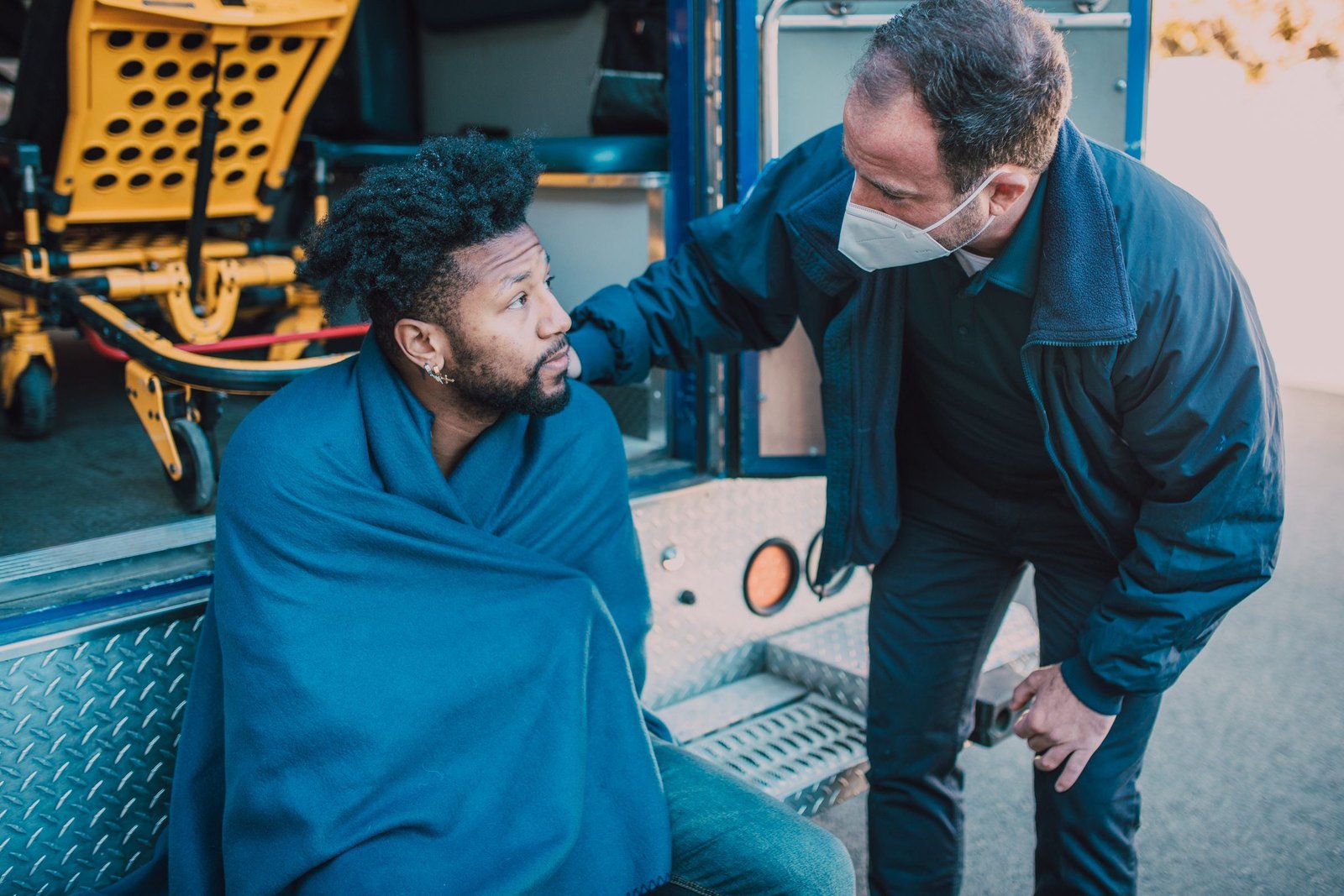

Stimulant heart damage symptoms may range from mild discomfort to signs of a serious cardiac event. Using stimulants can cause heart issues. However, symptoms alone cannot confirm heart injury or lasting damage.If you have chest pain or pressure, trouble breathing, fainting, or a severe or irregular heartbeat, call 911 or go to the nearest emergency room now.
This guide covers spotting symptoms, judging urgency, and choosing next steps. See our stimulant withdrawal overview for wider effects on mood and energy in recovery. We are a U.S. treatment directory, not a treatment provider. Public health sources informed this info to help you know what to watch for and when to seek help.
Stimulant Heart Symptoms That Need Emergency Care
Some stimulant heart symptoms signal a medical emergency. If you or someone near you has any of the signs below after using stimulants, call 911 or go to the nearest emergency room now. Do not wait to see if they pass.
Stimulant overdose can cause dangerous changes in heart rate or body temperature. It can be life-threatening.[1] If someone has signs of an overdose, call 911 right away and stay with them. To learn more about telling the difference between withdrawal and overdose, read our guide on distinguishing withdrawal from overdose.
Chest Pain From Stimulants
Experiencing chest pain or pressure after using stimulants is an emergency warning sign. Treat this seriously, even if you think it is just anxiety or a crash. Act now instead of waiting for the pain to worsen. Call 911 or go to the nearest emergency room now.
What Symptoms Do and Do Not Show
Symptoms show something is wrong but not exactly what. Chest tightness or a fast heart rate can have many causes. It could be acid reflux, anxiety, muscle strain, or a heart issue.[2] Due to this overlap, you cannot diagnose heart damage by feeling alone.

Do not wait for the effects of stimulants to go away.If you have chest pain or pressure after stimulant use, call 911 or go to the nearest emergency room now.[1]
Multiple causes
for chest pain, ranging from harmless to life-threatening[2]
Emergency response
for chest pain or pressure after stimulant use: call 911 or go to the nearest emergency room now[1]
Read our guide on the cardiovascular risks of stimulant use to see how various substances impact the heart.
Telling Heart Damage Apart From a Stimulant Crash
Stimulants increase your blood pressure and heart rate.[3] Once the drug leaves your system, you may feel shaky, low, or tired. Some of these feelings come from a crash. Others might signal a heart problem. Since symptoms overlap, you cannot tell them apart alone.
The table shows common experiences for comparison. It cannot diagnose or rule out a heart issue. Treat any doubt as urgent.
| Symptom or pattern | May be linked to | Safe next step |
|---|---|---|
| Chest pain or pressure | Strain on the heart or less blood flow | Call 911 or go to the nearest emergency room now |
| Trouble breathing | Stress on the heart or lungs | Call 911 or go to the nearest emergency room now |
| Fainting or near-fainting | Issues with heart rhythm or blood pressure | Call 911 or go to the nearest emergency room now |
| Severe or irregular heartbeat | Heart rhythm disturbance | Call 911 or go to the nearest emergency room now |
| Fatigue and low energy | Withdrawal or stimulant crash | Rest, drink water, and call your doctor if it continues |
| Low mood or irritability | Withdrawal or stimulant crash | Contact your prescriber and a trusted person |
| Sleeping much more than usual | Recovering from stimulant use | Allow rest; if someone cannot be woken normally, call 911 or go to the nearest emergency room now |
| Appetite changes (up or down) | Body recovering from stimulant effects | Eat small meals; ask your doctor if weight changes fast |
Do not assume this is just a crash.If you have chest pain, trouble breathing, fainting, or a severe irregular heartbeat, call 911 or go to the nearest emergency room now. Do not wait to see if it passes.
Timing Matters, But It Is Not Proof
It is natural to wonder if a heart symptom is tied to when you used a stimulant. Timing by itself cannot prove a symptom is harmless.
Do not use a link to a crash or withdrawal to decide if you need help. For non-emergency symptoms, contact a healthcare professional for evaluation.
If you have chest pain, trouble breathing, fainting, or a very fast or irregular heartbeat, call 911 or go to the nearest emergency room now. Do not wait to see if the feeling passes based on when you last used.
During or soon after use
Prescription CNS stimulants can raise heart rate and blood pressure.[3]
As effects wear off
If you have chest pain or pressure, call 911 or go to the nearest emergency room now. If your heartbeat is severe or irregular, call 911 or go to the nearest emergency room now.
After reducing or stopping
If you have shortness of breath or trouble breathing, call 911 or go to the nearest emergency room now. If you have swelling without emergency signs, have a healthcare professional check it.
Cover Both Prescribed and Other Stimulants
Stimulants can cause heart symptoms whether you take them as directed or use them differently. Prescription stimulant medicines can raise blood pressure and heart rate.[4] Some labels warn against using them if you have serious heart disease or rhythm issues.[5] For this reason, tell your healthcare professional about everything you have taken. Share details about prescribed stimulants, nonmedical stimulants, supplements, and other substances.

Talk to the clinician who wrote it if you have concerns about a prescription. Do not change, stop, or start your medication alone. This guide helps you spot symptoms. See our guide to stimulant use heart health risks for more on how stimulants affect the heart. If symptoms appear after stopping a prescription stimulant, read more about prescribed stimulant crash symptoms.
Details to Share With Your Healthcare Professional
Important: If you have chest pain or pressure, trouble breathing, fainting, a severe or irregular heartbeat, or suspect an overdose, do not wait to gather this information. Call 911 or go to the nearest emergency room now.
Your ticks are saved on this device only.
Steps in a Medical Evaluation
See a clinician if you are concerned about your heart. Tests depend on your report and their findings. Not everyone receives the same evaluation.
If you have chest pain or pressure, trouble breathing, fainting, a severe or irregular heartbeat, or signs of an overdose, call 911 or go to the nearest emergency room now. Do not wait for a routine appointment.
- Tell the clinician when symptoms began, their duration, and what eases or worsens them.Describe your symptoms and timing.
- Share your full history. Report all stimulants, including ADHD prescriptions and other substances. Note doses and usage frequency.
- Receive an exam and initial tests. The clinician may take vital signs and do a physical exam. They may order an electrocardiogram (ECG) to check your heart's rhythm. Blood tests can show organ stress and detect heart muscle injury.[1] Sometimes, they may order an echocardiogram to see how your heart moves and pumps.
- Discuss results and next steps. Ask what the findings mean for you and whether you need follow-up visits or referrals to a cardiologist or addiction specialist.
If you have had chest pain or pressure, trouble breathing, fainting, or a severe or irregular heartbeat after stimulant use, call 911 or go to the nearest emergency room now, even if the symptoms have resolved. If you lack these warning signs but want help with stimulant use, explore levels of care for stimulant use to find treatment options that fit your life.
Pick a Safe Next Move
Use this self-check to weigh next steps. It cannot diagnose heart damage. It also cannot say if you are safe.

What Is the Safest Next Step?
If you have chest pain or pressure, trouble breathing, fainting, a severe or irregular heartbeat, or signs of an overdose, call 911 or go to the nearest emergency room now. Do not take this quiz first. This self-check is for information only and isn't a diagnosis.
Once a doctor checks urgent heart worries, look into support for stimulant use if you need it. Treatment plans often use behavioral therapies, such as contingency management.[6] You can search for treatment options that cover both heart health and substance use support.
Frequently Asked Questions
Which heart-related symptoms after stimulant use need emergency care?
Chest pain or pressure, trouble breathing, fainting, or a severe or irregular heartbeat means call 911 or go to the nearest emergency room now. Heart attack warning signs can also include discomfort in the back, jaw, neck, or arm, nausea, and cold sweats.[7] If you have these symptoms, call 911 or go to the nearest emergency room now. Symptoms vary a lot. Some people may feel little or no chest pain.[7]
Can stimulant use affect your heart without obvious symptoms?
Yes. Some heart conditions may cause few or no clear signs. Feeling fine does not mean nothing is wrong. Shortness of breath is a known sign of heart failure,[8] but other issues may stay silent until tested. A clinician can check your concerns. Do not treat a lack of symptoms as proof of heart health.
Do heart symptoms mean I have permanent heart damage?
That is not always true. Symptoms do not prove damage happened or if it is permanent. In some cases, heart function improved in people with methamphetamine-associated cardiomyopathy. However, that does not predict your result. A medical check is the only way to know the impact on your heart.
Can heart symptoms happen after a stimulant wears off or after stopping?
Yes. The timing does not tell you if a symptom is a crash, withdrawal, or a heart problem. Certain stimulant-related heart issues may develop after repeated use, not just during immediate effects. Get an evaluation for worrying symptoms, no matter when they started compared to your last use.
How can I tell a stimulant crash from a possible heart problem?
You cannot reliably tell them apart using a symptom list or timing. Crash signs and some heart-related signs can overlap. If you have chest pain or pressure, trouble breathing, fainting, or a severe or irregular heartbeat, call 911 or go to the nearest emergency room now. Getting checked out is safer than guessing at home.
What should I tell a healthcare professional, and what might an evaluation involve?
Tell them which stimulant you used and if a doctor prescribed it. Share when you took it and when symptoms started. List any other substances or medicines. An evaluation may include an exam, ECG, and blood tests. Clinicians may repeat cardiac blood tests to check for possible acute heart problems. Honesty helps providers choose the right care for you.