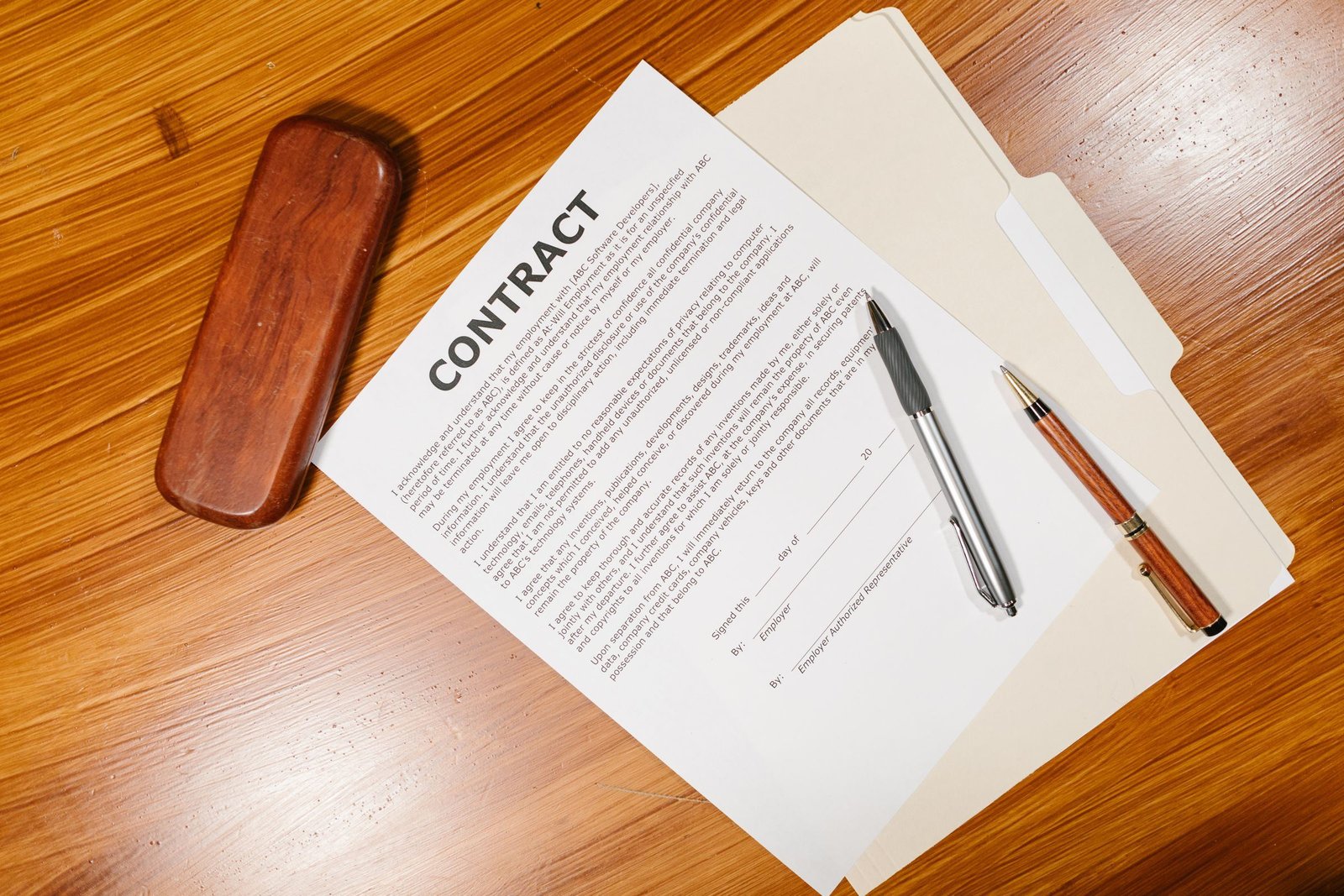


Ask for a written estimate before you sign anything. It should show each charge. Confirm your expected share with your insurer. Put all payment terms in writing. That means financing, cancellation, and early discharge rules. These rehab payment plan questions help you avoid surprise bills.
We are a treatment directory, not a treatment provider. This guide covers payment plans, not medical care. See our guide to addiction treatment scholarships if you need help paying.
Rehab Payment Plan Questions: Begin With Your Real Quote
Two things shape your budget. First, look at the facility’s written estimate. It shows the dates and services. Second, check your insurance plan. It lists your cost-sharing amount. Do not rely on a general price range for alcohol treatment costs. Your bill depends on your stay length and specific care. See our guide on rehab costs by level of care for more context. If you are weighing longer stays, our guide to long term alcohol rehab breaks down the care steps and duration.
One coverage category does not tell you the full amount you will pay. To find your true cost, you need two pieces of info. First, get a written estimate from the facility. Second, ask your insurer for a benefit check.
$400
threshold for disputing a self-pay bill above the Good Faith Estimate[1]
120 days
window to start a dispute after the initial bill[1]
1 or 3 days
deadline for providers to send Good Faith Estimates[1]
Scheduled health care services must have good-faith estimates of expected charges for uninsured or self-pay patients.[1] If the final bill is more than that estimate, providers may have to join a patient-provider payment dispute resolution process.[1] Marketplace plans treat mental health and substance use disorder services as essential health benefits.[2]
Rehab Payment Plan Questions to Ask a Facility
Ask the facility to write down the estimate and all payment terms before you agree to care. Federal rules say providers must give uninsured or self-pay people a Good Faith Estimate for scheduled services.[1] These rights cover those who skip using insurance for planned care.[1] Providers, facilities, and air ambulance providers must share these estimates with self-pay individuals.[1] Paper details help you compare options and dodge later surprises.

It helps to know the difference between two plan types. A clinical treatment plan outlines your care goals and the services you will get. A payment plan covers the costs and how you will repay them. Keep these separate when you review documents. This helps you understand your medical needs and financial obligations.
Questions to Ask About the Written Estimate
Your ticks are saved on this device only.
See our guide on questions to ask alcohol rehab for wider questions about picking a center.
Checking Your Insurance and Costs
A brief call does not lock in a final price. Before signing papers, take these steps to verify rehab insurance benefits and see your real insurance responsibility.
- Identify the details. Have the facility name, services, and dates ready.
- Call your insurer. Use the number on your insurance card. Ask if the facility is in-network. Ask what coverage applies to your level of care.
- Ask about costs and limits. Ask about deductibles, copays, or coinsurance. Ask if prior authorization is needed. Ask if any exclusions apply.
- Record everything. Write down the rep's name and a reference number. Note any next steps. Ask for written confirmation when possible.
You have rights under federal rules. For most plans, the caps on spending for mental health or substance use disorder care cannot be tighter than caps on regular medical care.[3] So, the amount you pay out of pocket for rehab should line up with what you normally pay for other health needs.
Check the insurer's words against the facility's estimate. If numbers do not match, ask both sides to show their math. Our guide on verifying insurance benefits has more details. Only your insurer and the facility can give final answers about your plan terms.
Center Payment Plans and Outside Lenders
The key gap between these choices is who holds the debt and which deal sets the rules. A facility payment plan is a direct deal with the treatment center. Third-party rehab financing means a lender or financial company steps in.

Before you sign anything, ask clear questions about the cost structure. Find out if interest, fees, or a credit check is involved. If the facility is not the lender, ask who is and if there is a promotional rate period.
Do not focus only on the monthly amount. Look at the total sum you will pay back over time. Also, learn what happens if a payment is missed. This shows you the real cost of your care.
| Feature | Facility Payment Plan | Third-Party Financing |
|---|---|---|
| Who you owe | The treatment facility | A separate lender or finance company |
| Contract source | Agreement with the facility | Loan or credit agreement from a third party |
| Interest and fees | Varies; may be interest-free or have setup fees | Usually includes interest and origination fees |
| Payment schedule | Set by the facility, often tied to treatment length | Set by the lender, often fixed monthly terms |
| Credit check | Rarely required, but policies vary | Typically required for approval |
| Missed payments | May result in service interruption or collection by facility | May lead to late fees, default, or credit damage |
| Key questions to ask | "What is the total cost?" "Are there late fees?" "What happens if I miss a payment?" | "What is the APR?" "Is there a prepayment penalty?" "Who is the lender?" "What are the default terms?" |
Putting these details next to each other helps you pick the choice that matches your budget and finances. Read the entire contract before signing. This ensures you grasp every term.
Rehab Payment Plan Questions: Other Ways to Pay
Do not let a high price stop you from getting help. You can find ways to lower the cost. Look for other paths too. Do this before you sign a payment plan. Our guide to free alcohol treatment programs explains eligibility for publicly funded care so you can explore those options.
- Ask the facility for help. Ask about financial aid or sliding-scale fees. You can also ask about scholarships. Ask if a lower-cost level of care fits your needs. See our guide on sliding scale fee options.
- Check public programs. Call your state Medicaid agency. Ask about eligibility and covered services. If you lack coverage, read about paying for rehab without insurance.
- Look for local resources. Check nearby health centers or nonprofits. They may offer behavioral health care at lower rates.
- Plan for household bills. List your ongoing expenses. Decide who will manage them during treatment.
- Compare written options. Get all offers in writing first. Do this before signing or accepting financing.
Plan for Your Home Bills
Unpaid bills can cause stress during recovery. Set up a simple money plan while you heal.
- Write down ongoing bills like rent and utilities. Add childcare and loan payments to the list.
- Choose a trusted person to handle time-sensitive payments if you need help.
- Reach out to creditors before you miss a payment. Find out what arrangements they can offer.
Never put off urgent medical care to fix costs. Get help first. Sort out money details later with your care team or a counselor.
Key Rehab Payment Plan Questions to Ask First
Look at the rules before you agree to pay. Check terms for cancellation, refunds, and discharge. These rules change from one facility to the next. Asking the right rehab payment plan questions helps you steer clear of surprise bills.

Leaving Early or Being Discharged
Every program has its own rules. There is no one list of reasons for discharge. Get the written policy. Ask how early end of care affects your money. Find out what happens to your deposit. Also ask about any prepaid balance if you leave or are discharged.
Before I Sign
Your ticks are saved on this device only.
Are the Payment Terms Clear Enough to Compare?
This is a financial-readiness check only. It is not a treatment recommendation or a guarantee of insurance coverage.
Read the full agreement before you sign. Check your insurance details on your own. Do not trust only what the facility tells you. Get all verbal promises in writing first. You can search treatment options near you to find programs that match your needs and budget.
Frequently Asked Questions
Do rehab centers take payment plans?
Some centers offer in-house plans. Others use outside lenders or have different rules. Ask who you owe money to. Check if interest or fees apply. Always get the deal in writing.
What happens if you can't pay for rehab?
Ask about help with costs. Look for sliding-scale fees, Medicaid, or state funds. Do not take on debt before checking these options. You can also use SAMHSA's FindTreatment.gov to find nearby care.[4] Compare programs to find lower-cost choices.
What happens to your bills if you go to rehab?
Your home bills keep coming during treatment. Plan for them ahead of time. Call billers before you miss a payment. If you must take time off work, ask your boss about leave options. Check if you qualify for paid time off.
How much is 2 weeks of rehab?
Costs vary by program and location. There is no single price for everyone. Ask for an estimate for your exact dates and care level. Check if other providers bill separately. Ask how insurance changes the final cost.
Can you provide some examples of treatment plans for addiction?
Be clear on the terms used here. A clinical plan sets care goals and services.[5] A payment plan covers charges and repayment steps. This guide focuses on paying for care. Ask the care team about clinical details.
What gets you kicked out of rehab?
Rules differ at every facility. There is no one list that fits all places. Ask for written conduct and discharge policies first. Read them before you agree to care. Also ask what happens to your deposit if you leave early.