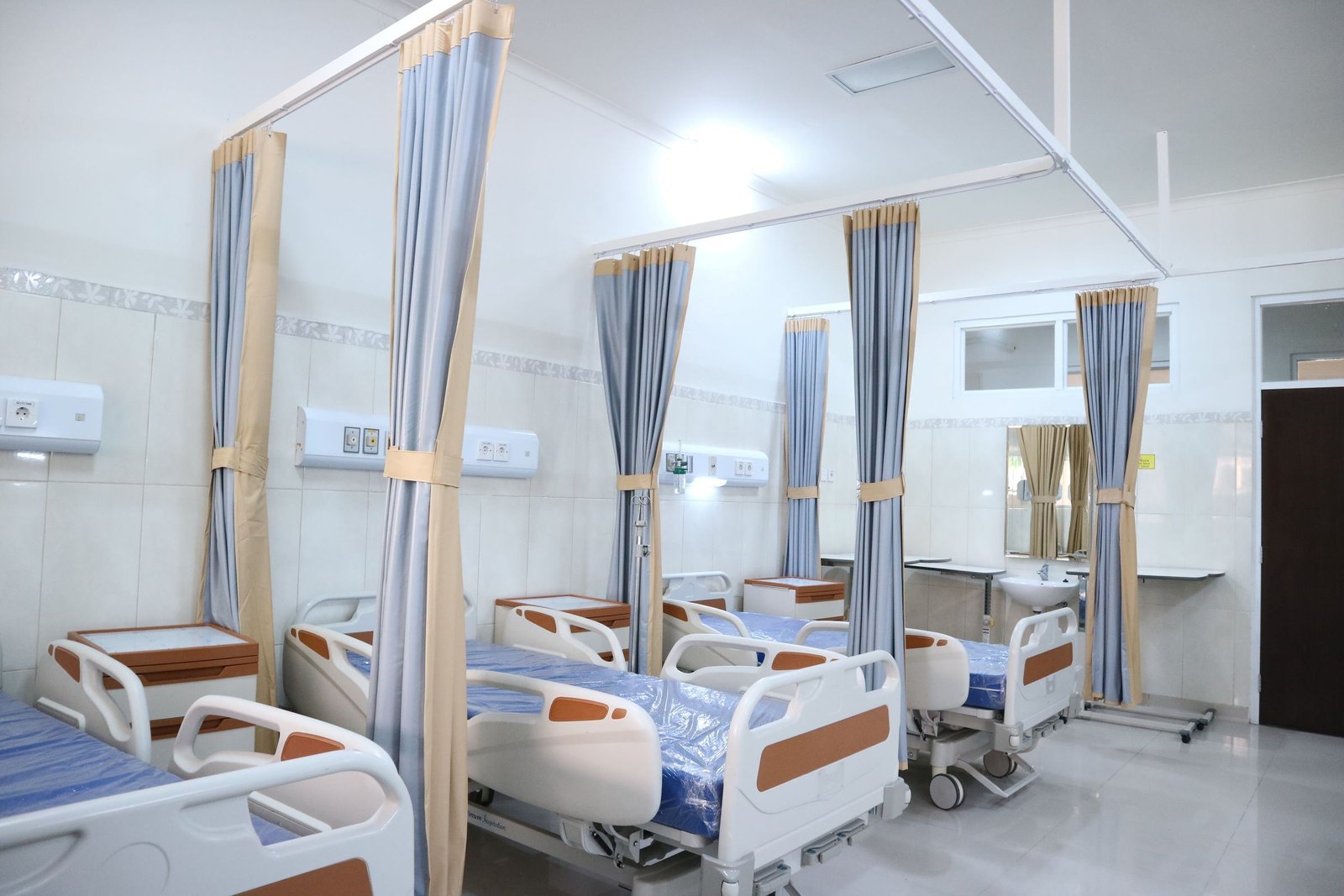

The main thing to know about private rooms in rehab is that they are not guaranteed. Getting one depends on the care setting. It also depends on the program's availability, its policies, and your insurance coverage.
Some programs charge an extra fee for a private bedroom upgrade. Others give rooms based on clinical needs and space.
This guide looks at private versus shared rooms. It shows how privacy is different from confidentiality. It also covers three common treatment settings. Our editorial team runs a treatment directory. We use public health sources to help you compare. We are not a treatment provider. We do not give medical advice.
Can You Count on Getting a Private Room?
No. Not every rehab program guarantees a private room. It depends on the facility's layout and availability. Licensing rules vary by state and facility type.[1] Thus, room standards change depending on the location.
A wish is not a promise. You can ask for a private room when applying. But asking does not mean it is assigned to you. Facilities often choose rooms by looking at current residents. Medical needs and insurance rules also play a part. Get written proof of your room type before moving in.
Check our guide to private room options in alcohol rehab for details on alcohol treatment. It discusses costs and availability at these centers.
Understanding Private Versus Shared Rooms
Your sleeping room is just one of many details. A treatment center picks your level of care using a full assessment of your biomedical, psychological, and social needs. It does not depend on if your room has one bed or two.[2] Good care can happen in both private and shared rooms. See how they stack up below.

| Feature | Private or Single-Occupancy Room | Shared Room |
|---|---|---|
| Who sleeps in the room | Only you | You and one or more other patients |
| Personal space | More personal space, but you still follow program rules, staff access, and treatment schedules. | Space is divided; noise and light may affect sleep |
| Roommate considerations | You do not manage roommate conflicts | Fit relies on health needs, habits, and schedules |
| Bathroom and common areas | Others on the unit may still use it | Typically shared with roommates or the unit |
| Possible added charges | Some programs add a fee for a private room | Often included in the base cost, but confirm first |
| Questions to confirm with the program | Is a private room available? Does it cost extra? Will my plan cover it? | How many people share? Can I request a change if needed? What is the policy for illness or snoring? |
Prices differ greatly. Ask the program what the quote covers and check with your insurer before admission. To compare settings for sedative withdrawal, read our guide to private versus shared detox rooms.
What Do Rehab Rooms Look Like?
Room setups in rehab are not all the same. Amenities and layouts change from one facility to another. They can even differ between units in the same center. Ask specific questions before you arrive.
Ask about the bed and furniture first. Can you lock a closet or drawer for your items? Is the bathroom inside the room or down the hall?
Ask about shared spaces, too. You will likely spend time in common lounges or dining areas with other residents. Many programs also provide private rooms or quiet spots for calls and meetings.
Check accessibility as another key detail. The 2010 ADA Standards for Accessible Design set minimum requirements for newly designed and constructed or altered facilities to be readily accessible to individuals with disabilities.[3] However, older buildings may look different. Covered entities must make reasonable modifications to policies, practices, and procedures when necessary to avoid discrimination, unless doing so would fundamentally alter the nature of the program or activity.[4]
Tell admissions about any mobility aids or sensory needs. Ask if they can offer a private room with features like grab bars or wider doorways. Put these details in writing to help keep your stay safe and comfortable.
Situations Where Medicare Might Cover a Private Room
A common question is whether Medicare covers private rooms in rehab. The type of care matters. Medicare generally pays for a semi-private room during a covered inpatient hospital stay.[5]

A semi-private room is what Medicare generally covers.[6] Rules for private rooms vary by situation. Talk to the hospital and Medicare before you are admitted. If you pick a private room with no medical need, you may pay the extra cost. This applies if a semi-private room is open.
This rule is for hospitals. It does not automatically cover non-hospital residential addiction treatment programs. Coverage in these places can vary widely. You should check with the treatment facility and your specific plan. Ask them what is covered. Also ask about any costs you might face.
| Covered Inpatient Hospital Care Under Medicare | Non-Hospital Residential Addiction Treatment |
|---|---|
| Coverage or extra charges for a private room depend on the circumstances; confirm with the hospital and Medicare before admission.[6] | Your plan and the specific program determine coverage policies. |
| You may pay extra if you choose a private room without medical need when a semi-private one is available. | Check room fees and coverage with your insurer and the facility before you are admitted. |
Private Rooms, Records, and Visitation
Record keeping is not changed by having a private bedroom. Living with others does not let them see your info. These are separate issues.
Laws protect your health data. HIPAA sets baseline rules for health info privacy.[7] Providers also need to follow 42 CFR Part 2. This protects substance use disorder records.[8] It applies to federally assisted programs treating or referring for substance use.[9]
Program rules apply to all visitors. Having a private room does not allow private visits inside it. For safety, many sites restrict visits to shared spaces.
- Find out which rooms are shared and which are private.Check the physical spaces.
- Read the privacy notice. Find out how they manage records using HIPAA and 42 CFR Part 2.[8][7]
- Confirm visitor policies. Ask about visiting hours, who may come, and where visits take place. This helps you know if you can have visitors when you're in rehab, without assuming a private room allows it.
Three Kinds of Rehab Facilities Explained
You may see very different places when checking what goes on in a rehab facility. "Rehab" does not mean just one thing. What each program offers can differ greatly. The American Psychiatric Association states that no single treatment works for all.[10] Choosing the right level of care matters.
Care typically fits into three categories. They are hospital inpatient, residential, and outpatient care. Key distinctions appear in the table below.
| Facility Type | Where Care Happens | Overnight Stay? | Typical Services and What to Check |
|---|---|---|---|
| Hospital Inpatient | A general hospital or medical unit | Yes, usually 24/7 | Provides acute medical care and medically managed withdrawal.[11] Ask regarding the specific medical services provided. |
| Residential Treatment | A community-based building, not a hospital | Yes, usually 24/7 | May include 24/7 nursing and medical staff, or focus on counseling and daily routines.[11] Ask if medical staff are available around the clock. |
| Outpatient Treatment | Clinic or office; you stay at home | No | Offers scheduled counseling and therapy sessions. Ask about the weekly hours and if medical help is there during those times. |
Never assume all residential programs offer the same medical care. Some are medically managed, offering 24/7 nursing and medical staff.[11] Others prioritize counseling and daily routines but lack constant medical checks.
Most programs start with an intake assessment to build a personalized treatment plan, no matter the setting.[2] Common activities are individual counseling, group therapy, and educational sessions. Medical care is available if the program offers it. The specific facility and your needs determine the mix of activities.
Make sure to ask which people are on staff. Ask what happens if a medical problem comes up.
Costs vary significantly depending on the setting you choose. Read more about costs by level of care to learn how housing and medical care impact price.
Get Room Details in Writing Before Admission
Even if a brochure shows private rooms in rehab, they are not always guaranteed. Ask the program to confirm specific details in writing before you agree to an admission. Check their current answers against their website promises. You can also check verifying facility safety and licenses through your state agency.
Use this list to confirm you have all the facts.
Room Questions Before Admission
Your ticks are saved on this device only.
Read our guide on questions to ask before admission for more general inquiries. It focuses on alcohol treatment but applies broadly.
What Should I Confirm About a Rehab Room?
This is a planning aid, not a treatment assessment. A score here cannot guarantee room availability.
Frequently Asked Questions
Do you get a private room in rehab?
It is not always guaranteed. The program and your start date affect availability. Ask admissions if the room is promised or just requested. Get their agreement in writing.
Will Medicare pay for a private room in rehab?
Medicare treats formal inpatient admission and observation services as separate categories.[13] Observation counts as outpatient status.[13] This difference changes coverage rules. For example, some skilled nursing facility care needs a 3-day inpatient stay.[13] If you are in a hospital, ask your doctor about your status.
Does a private room cost more than a shared room?
Possibly. Insurance plans may treat room upgrades differently than standard treatment services. Get a written estimate from the program. Then check costs and exclusions with your insurer. Note that a plan summary shows general costs but may not list every facility fee.[14]
Can you have visitors when you're in rehab?
Program rules differ. Ask about visiting hours and any limits. Check if guests visit in your room or common areas. A private room does not mean visits are private or without limits.
Can I request a private room or a roommate?
Yes, contact admissions to learn how to share your preference. Also ask when to make the request. If you need this for accessibility or another disability, say so clearly. Inquire about how they handle accommodation requests.