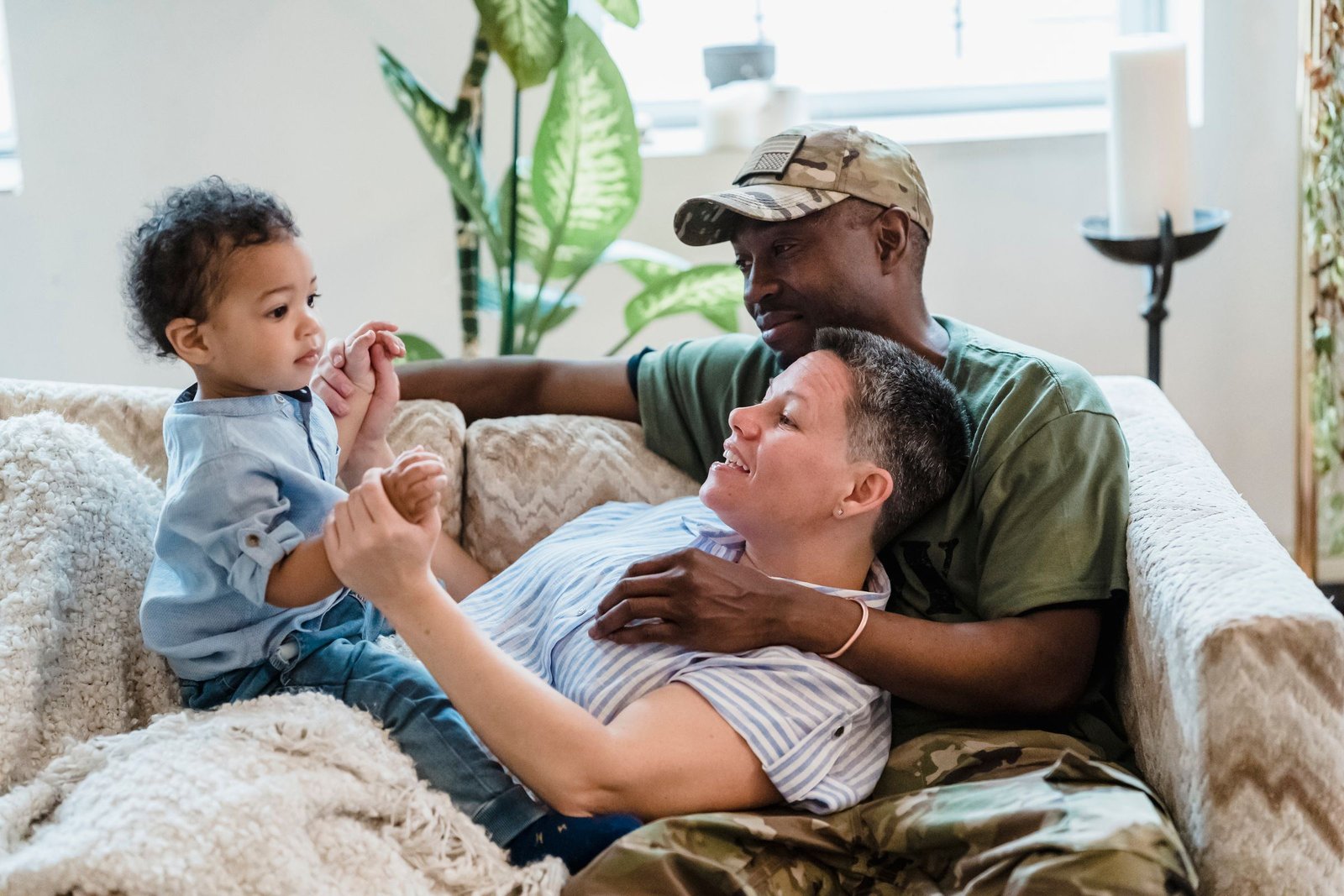

Preparing for a loved one's return from rehab starts with asking them what support they want. Ask them what kind of help they need. Then, coordinate follow-up care before they leave treatment. This might include therapy or support groups. For more on setting up that support network, our guide to follow up care after rehab explains how to build your team. For a deeper look at assembling that circle, our overview of the recovery support team details who to include after opioid treatment.
Agree on clear household expectations together. Talk about privacy, visitors, and chores. Decide if substances are allowed in the home. Keep early conversations calm and specific. Avoid shame, threats, or pressure to make promises.
Recovery is not a straight line. Adjustment takes time for everyone. A return to use does not mean recovery is impossible. It is a sign to get more help, not a failure.
This guide focuses on the transition home. For broader advice, see our guide to supporting someone through addiction. We are a treatment-directory publisher, not a treatment provider. We do not provide medical care or claim medical review.
Start Planning Before the Return Home
Preparing for a loved one's return from rehab works best when you do it together. Ask them what they want help with. Also ask what they prefer to manage on their own. This respects their independence. It also helps you focus your support where it is needed most.
Rehab programs have different rules. These rules cover visitors, phone calls, belongings, and conduct. Do not assume one set of rules applies everywhere. Ask the specific program about its policies before discharge day.
24/7
SAMHSA National Helpline availability, 365 days a year[1]
These numbers describe national resources. They do not predict what will happen to your loved one or your family.
Before Your Loved One Comes Home
Your ticks are saved on this device only.
If you are unsure about what level of care comes next, ask the treatment team how they check readiness for discharge. The ASAM Criteria uses an individualized check to help match a person with an appropriate level of addiction care.[2] You can also call the SAMHSA National Helpline for free, confidential treatment-referral information 24 hours a day, 365 days a year.[1]
Coordinate Follow-Up Care Before Discharge
Coordinating care before discharge helps everyone feel steadier. The goal is to support your loved one's choices, not to take over their treatment plan. Start by asking what kind of help they actually want from you.

- Ask what help they want. Let the person coming home lead the conversation about who does what.
- Clarify appointments and rides, with their permission. Once they agree, confirm dates, times, and transportation for follow-up visits.
- Identify the right contact. Agree on who to call if there are questions or changes to the schedule.
- Write down next steps together. With their consent, note agreed actions so everyone has the same information.
What Information Can Be Shared?
Confusion about privacy rules often makes families feel shut out. Under HIPAA, a provider may share relevant health information with family when the patient agrees or does not object to the disclosure.[3] You can ask your loved one if they are comfortable with specific details being shared with you.
Even if your loved one prefers not to share details back, you can still offer information to their provider. HIPAA does not prevent family members from sharing information about a patient with that patient's health care provider.[4] You might send a brief email noting a concern or observation. Providers can use this context in care decisions, even if they cannot discuss specifics with you in return unless your loved one consents.
For broader planning beyond the first few weeks, see our guide to building a rehab aftercare plan. It covers longer-term support and what to expect after rehab ends.
Agree on Household Expectations Together
Household expectations after rehab work best when everyone helps write them. Think of these agreements as clear rules about the home. They are not one person taking over another's recovery.
Family involvement matters here. Behavioral couples and family counseling involve partners and other family members in the treatment process and can play an important role in repairing and improving family relationships.[5]
Sit down together before your loved one comes home. Talk through what each person needs to feel safe and respected. Write down what you agree on, so no one has to guess later.
Household Topics to Discuss
Your ticks are saved on this device only.
If children live in the home, give them age-appropriate information about what is happening. Make clear which adults they can turn to when they feel worried or confused. Kids should never carry the weight of an adult's recovery.
For more detailed family guidance on this topic, read our guide to setting healthy boundaries.
Talk About Concerns Without Making Assumptions
Finding the right words can feel hard. You want to be honest, but you also want to be kind. Research suggests that encouraging positive behaviors works better than confrontation. The Community Reinforcement and Family Training (CRAFT) method has been shown to be more effective than confronting the person in an intervention to help a person with an alcohol problem accept treatment.[5]

Think about what to say to someone coming home from rehab. Aim for clarity, not blame. Try to speak during a calm moment, not after a stressful event. Describe one specific thing that worries you, then ask an open question. If the conversation gets heated, it is okay to pause and talk later.
| Instead of | Try saying |
|---|---|
| "You have to prove you have changed." | "What would feel helpful as you settle in?" |
| "You always lie." | "I felt worried when I couldn't reach you last night." |
| "Promise this will never happen again." | "Let's talk about what our next steps are if things get tough." |
It is normal to wonder what do people say when confronted about substance use. However, direct confrontation often makes people defensive. Gentle, specific language invites teamwork instead of conflict. Remember that change takes time. You cannot control another person's recovery or guarantee their choices. But you can create a supportive environment for them.
How Someone Might Respond to Concerns
Every person reacts differently to difficult conversations. Someone might listen carefully or disagree with you. They might become quiet or ask to talk later. None of these reactions prove whether a person is committed to their recovery or not. Avoid labeling their response as good or bad.
If a discussion begins to escalate, stop the conversation immediately. If anyone feels unsafe, safety comes first. You can revisit the topic later when everyone has had time to cool down and think clearly.
What Happens After You Leave Rehab? The First Days at Home
Wondering what happens after you leave rehab? The first days at home are often quiet. There is no single schedule that fits everyone. Your loved one’s care team helps shape the next steps based on their specific needs. The ASAM Criteria guides professionals to look at a person’s whole situation, including health, emotions, and social life, rather than forcing one fixed path.[6]
Because needs change, the treatment plan should be checked often and updated as needed.[7] Here is one way the first stretch might look.
Arrival day
Welcome your loved one home. Offer practical help with unpacking or meals, but give them space to settle in. Keep the environment calm and low-pressure.
First few days
Stick to the plans you agreed on before they left. Attend any scheduled follow-up appointments or support meetings. Keep expectations manageable for everyone in the house.
Following weeks
Sit down together to review household agreements and support needs. Adjust routines as you learn what works best for your family.
This timeline is an example, not a rulebook. Some people need more time to rest at first; others jump back into work or school quickly. Ask your loved one what feels manageable right now. Check in regularly about how the household agreements are working for both of you.
Recovery is a process, not a switch that flips on the day of discharge. Don’t expect immediate perfection or view a smooth first week as proof of success. Similarly, a difficult Tuesday doesn’t mean failure. Ongoing care and support often continue after residential treatment ends, with adjustments made along the way.[7]
If There Is a Return to Use or an Overdose
A return to use is not a moral failure, and it does not mean recovery is impossible. Still, safety comes first. If you see signs of an overdose or immediate danger, call 911 right away. Do not wait to see if the person "sleeps it off."
Relapse Risk After Leaving Rehab
There is no single highest-risk day or week that fits everyone or every substance. The risk depends on the person, the substance, and their support system.
One specific concern stands out for opioids. After a period of abstinence or reduced use, the body loses its tolerance.[8] This means taking the same amount as before can lead to a life-threatening overdose.[8] Talk with your loved one's care team about safety planning for this risk.
Responding to a Return to Use
First, check for immediate danger. If your loved one cannot be woken up, or if their breathing is slow or shallow, treat it as an emergency.[9] Call 911 immediately.[9] Even if you give naloxone, emergency help is still needed right away.[9] Naloxone can reverse an opioid overdose and is available without a prescription in many places.[10]
If there are no emergency signs, pause any heated conversation. Contact the person's treatment provider or follow-up clinician to ask about next steps. Respect their privacy and choices where you can. One event does not erase progress. For more detailed guidance, read our guide on responding to a return to use and review overdose prevention steps.
- Check for danger. Look for signs like unresponsiveness or trouble breathing.[9]
- Call 911. Do this for any known or possible opioid overdose, even if you have naloxone.[9]
- Stay nearby. Follow the dispatcher's instructions until help arrives.
- Use naloxone if available. Give it if you have it and suspect an opioid overdose; follow the device instructions and do not delay giving it because you lack prior training.[9]
- Tell responders what you know. Share what substance may be involved and when last seen normal.
- Contact the care team. For non-emergencies, reach out to the treatment provider for guidance on next steps.
If you or your loved one are struggling emotionally, remember that support is available 24 hours a day, seven days a week.[11] You can call or text 988 for confidential help at any time.[11]
Support the Whole Household, Including Yourself
Recovery affects everyone in the house. You are not responsible for controlling another person's sobriety, but you can protect your own wellbeing. Research shows that family members of people with substance use disorders often feel strain and can benefit from social support to improve their physical and mental health.[12]

Family support after addiction treatment often starts with connecting to others who understand. Nar-Anon Family Groups offers meetings for people affected by someone else's drug use.[13] If you have children at home, make sure they have age-appropriate ways to talk about what is happening. Identify a trusted adult they can turn to, whether that is a relative, a counselor, or a teacher.
You also need space to breathe. Learning caregiver self-care strategies helps you stay steady so you can be present for your loved one without burning out.
Homecoming Support Check-In
This check-in is for information only. It isn't a diagnosis and doesn't measure anyone's recovery. If there is immediate danger or a suspected overdose, call 911 now. Call or text 988 for a suicide or mental health crisis.
Frequently Asked Questions
What should I say to someone coming home from rehab?
Start with a warm welcome. You don't need to demand an explanation or a promise. Instead, ask what kind of help would make the first day easier. Offer specific choices, like a ride or quiet time, and let them decide what feels useful.
What should I not say to someone in rehab?
Try to avoid shaming, threats, or demands for promises. Also, don't insist that the person share private details about their treatment. You can share your concerns with the treatment team, but remember that privacy laws protect the person's information.
What is not allowed in rehab?
There is no single list of prohibited items or visitor rules that applies to every program. Each facility sets its own policies. Ask the specific center about its current rules for belongings, visitors, phone access, and communication.
What happens after you leave rehab?
Next steps depend on the person's needs and treatment plan. These steps might include follow-up treatment, support groups, or a different living arrangement. Clinicians use guidelines to decide when a person should move to another level of care based on their progress and changing needs.[14] For your household, focus on confirming the first follow-up appointment and agreeing on what support you can provide.
Do people change after rehab?
Change is possible, but it takes time and cannot be guaranteed just by finishing a program. Instead of expecting an immediate transformation, focus on respectful communication and consistent actions. Setting clear boundaries helps both you and your loved one stay steady during this transition.