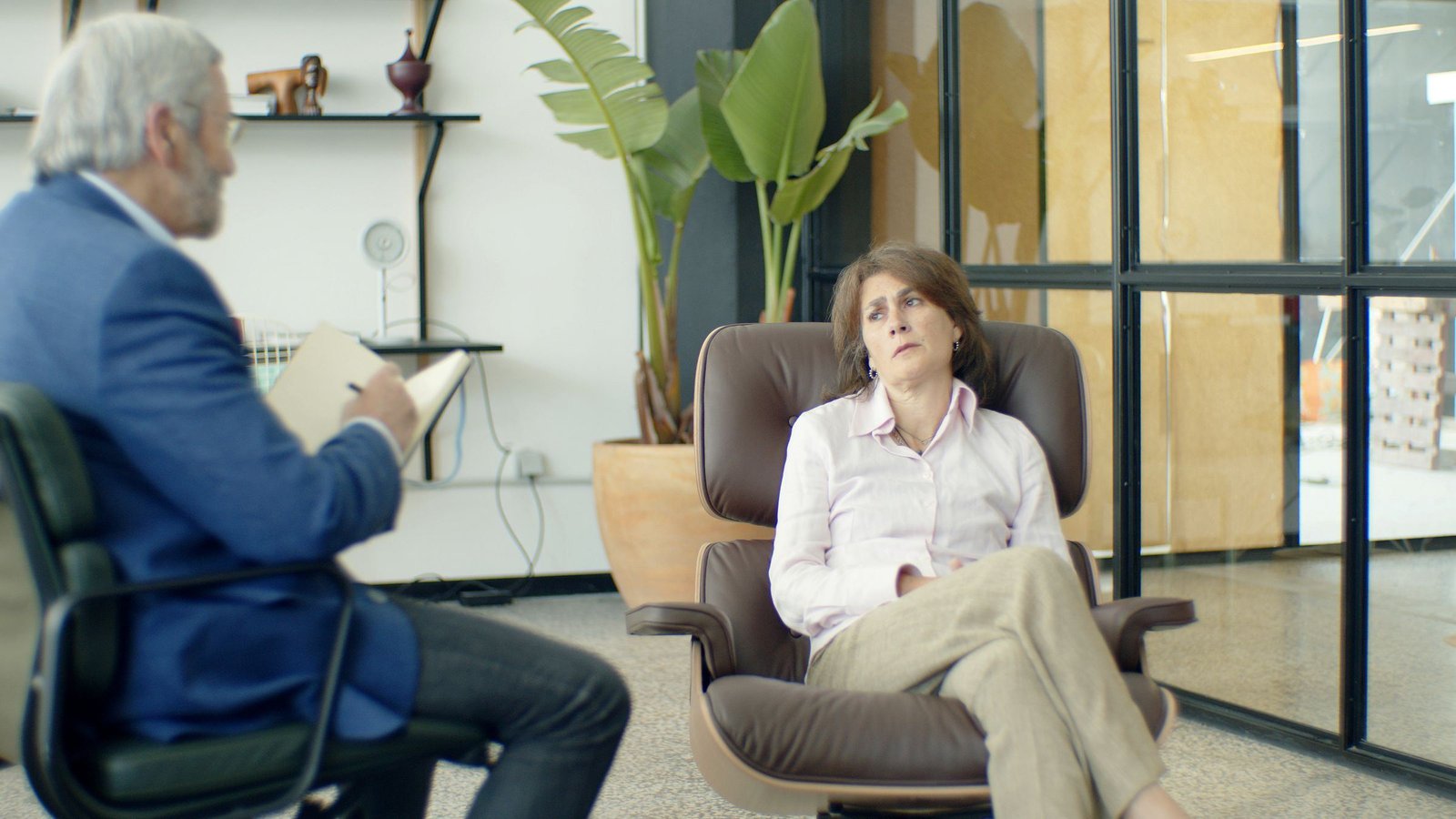


Complementary therapies in alcohol rehab work alongside standard treatment. They are not a substitute for medical care. Some may help with stress or coping skills. None have been proven to cure alcohol use disorder. They also do not consistently stop cravings.
Read our holistic addiction rehab overview for broader background. Here, we focus on evidence and safety details for alcohol.
Our editorial team runs a treatment directory. We do not provide treatment. We wrote this guide to help you compare programs that offer holistic services.
What Do Complementary Therapies in Alcohol Rehab Refer To?
Words like "complementary," "alternative," and "integrative" are often mixed up. Spotting the difference helps you pose the correct questions.
| Approach | Plain-Language Meaning | Relation to Standard Care | Question to Ask a Program |
|---|---|---|---|
| Complementary | Non-mainstream practices used with conventional medicine.[1] | Adds to standard medical treatment. | "How do these fit with my medical care?" |
| Alternative | Non-mainstream practices used instead of conventional medicine.[1] | Replaces standard medical treatment. | "What standard care am I skipping?" |
| Integrative | Conventional and complementary care used together in a planned way.[1] | Blends both under one plan. | "Who plans my whole care?" |
Most people who use non-mainstream approaches also get standard health care.[1]
This guide sorts examples into five buckets: mind-body, movement, sensory or creative, hands-on, and natural products. We use this layout to organize the guide. It is not a universal scientific rule.
Watch out for the phrase "holistic alcohol treatment." It may mean a program looks at your full body and mind. Yet that label does not prove a therapy is safe or effective. Look at the evidence for each practice.
Complementary Therapies Alcohol Rehab: Common Options
Many alcohol programs give you extra services. People often call this holistic or integrative care. The VA Whole Health Library lists common choices. You will see acupuncture, massage, tai chi, qi gong, yoga, and meditation.[2] Guided imagery, biofeedback, and clinical hypnosis are also on the list.[2]

You should know the line between complementary and alternative methods. A non-mainstream practice is complementary when it works with conventional medicine. It is alternative when it takes the place of conventional medicine.[1] Acupuncture or meditation are complementary when you use them with standard treatment. You should not swap these for evidence-based alcohol treatment.
These practices help with stress and relaxation. They are not the same as treatment for alcohol use disorder. Always ask if a program has proof that a practice helps with recovery.
3 FDA-approved medications
help treat alcohol use disorder[3]
These numbers help you see the bigger picture. They do not mean these extras cure addiction. Medication is a big part of care. Learn more about medication-assisted treatment options.
| Approach | What it involves | Program goal | Question to ask |
|---|---|---|---|
| Mindfulness or meditation | Breathing and focus drills | Lower stress | Do you track if this cuts relapse? |
| Yoga or qigong | Gentle movement and stretch | Boost calm and comfort | Does this replace medical checks? |
| Acupuncture | Needles at body points | Ease discomfort or cravings | What results have you seen? |
| Massage | Muscle work by hand | Reduce tension and rest better | How does this fit your plan? |
| Music or art activities | Creative expression tools | Process feelings safely | Do you link this to recovery goals? |
| Biofeedback or guided imagery | Sensors or visual focus tools | Manage anxiety responses | What training does your staff have? |
| Supplements | Vitamins or herbs | Support general health | Is your doctor okay with these? |
Check with your doctor before you try new supplements. These complementary therapy examples can help you feel better. Yet they should work with medical care, not swap it out.
Complementary Therapies: What Studies Show
Can complementary therapies treat alcohol use disorder? It turns on what you are asking. If a method eases stress or pain, that does not mean it cures alcohol use disorder. Also, a trial on another issue does not show it stops drinking or blocks relapse.
Behavioral health care, FDA-approved medications, and mutual support groups are proven treatments for alcohol use disorder. You can use them alone or in a mix.[4] Cognitive-behavioral therapy and motivational enhancement are effective behavioral options.[5] Complementary therapies may help along with these proven methods. They are not a swap for them.
Studies on specific practices give varied results. For mindfulness-based interventions, data suggest they may help lower substance use, including alcohol, versus control groups.[6] Reviews on alcohol use disorder point to early signs of less craving. Yet small sample sizes and uneven methods limit the findings.[7] This means the proof is hopeful but not strong enough on its own.
There is not enough steady data to back acupuncture for substance use outcomes.[6] Some signs say it may aid withdrawal, cravings, or anxiety as an add-on. It has not been shown to be a main treatment for alcohol use disorder. Current reviews do not name any complementary therapy as a sure fix for cravings or a solo treatment for alcohol use disorder.[8]
Look closely at where each claim comes from. See if the research included people with alcohol use disorder. Check the study size and if others have repeated the results. This helps you tell marketing words apart from real science.
How Complementary Therapies Impact Alcohol Cravings
None of these therapies can take away the urge to drink alcohol. They do help with overall wellness and coping skills.

Craving is a major sign of alcohol use disorder.[9] You should look at the research for each method. For instance, some data show mindfulness may help lower substance use. But many of these studies are small and give mixed results.[6] Ask your care team about any new strategies.
No one can rank which addiction is the hardest to quit. Alcohol withdrawal can be medically dangerous. Yet each person faces different hurdles in recovery.
Is This Complementary Approach a Safe Fit to Discuss?
This self-check is for information only and isn't a diagnosis. If you have seizures, hallucinations, severe confusion, a high fever, or a racing heart during suspected withdrawal, call 911 or go to the nearest emergency room now. For non-emergency withdrawal concerns, contact a healthcare professional promptly.
Safety Steps for Supplements and Other Practices
Before trying any complementary therapy, speak with your care team. This list includes acupuncture, massage, yoga, meditation, herbs, and vitamins. Your doctors and counselors can help keep you safe.
Before sale, the FDA does not clear dietary supplements for safety or effectiveness.[10] Prescription drugs face testing that these products do not. The NIH notes that supplements can interact with medicines.[11] They may change how your other meds work.
Beware of products claiming to be "detoxes" or "cures." Some hide ingredients that can cause harm. The FDA has warned about tianeptine in supplements.[12] These products link to serious health issues and addiction risk. Skip any product making big medical claims without proof.
Check our blog for info on FDA-approved alcohol medications. Talk to your clinician about how these approved treatments may interact with supplements.
Before Trying a Complementary Therapy
Your ticks are saved on this device only.
Following these steps helps protect your health. This applies while you explore supportive options alongside your primary care.
Medical Care Is Needed for Alcohol Withdrawal Warning Signs
Life-threatening issues can happen with alcohol withdrawal. You may need emergency medical care.[13] Signs often appear 6 to 24 hours after you stop or cut back on drinking.[14] Do not manage withdrawal at home using complementary practices. Beyond immediate safety, our guide on reversing alcohol damage to brain explains what recovery looks like for long-term effects.
- Call 911 or go to the ER now. If you have a seizure, hallucinations, severe confusion, a high fever, or a racing heart during withdrawal, this is an emergency.
- Contact a healthcare professional promptly. For other withdrawal symptoms, call a doctor for medical advice. Do not wait for them to pass on their own.[13]
- Tell your clinician everything. Share details about your alcohol use, supplements, and any complementary therapies you are using. This helps them keep you safe.
Key Questions for Alcohol Treatment Programs
Ask good questions to check if a program’s complementary therapies are safe. They also tell you if these therapies are really part of your care plan. Treatment should focus on the whole person, per NIDA.[15] Counselors then pick services for your medical, mental, social, work, family, and legal needs. For a broader list of what to cover, see our guide to questions to ask rehab therapists before your first visit.

Questions to Ask About a Program’s Complementary Therapies
Your ticks are saved on this device only.
License and practice scope rules change by state and profession.[16] These questions check if the program is clear on skills and costs. Need quick support? Call the SAMHSA National Helpline. It offers free, confidential help for substance abuse issues.[17] Learn more on program quality in our guide on questions to ask a program.
Frequently Asked Questions
What are the 5 categories of complementary therapies?
There is no standard five-category system. This guide uses five groups to help you compare options. NIH lists examples like natural products and mind-body practices.[18] NCCIH uses different groups. These are not a special list for alcohol care.
Do complementary therapies really work?
It depends on the practice and the goal. Good results for general well-being do not prove they treat alcohol use disorder. Think of these as supports, not a full treatment. They do not guarantee less drinking. People react differently to health products and practices.[19]
Which therapy is most suitable for alcoholism?
No single complementary therapy is best for everyone. Talk to a clinician about proven alcohol treatment first. NIAAA notes that behavioral treatments help build motivation and coping skills.[3] Ask if a supportive practice fits your needs alongside core care.
Which condition will be assisted by complementary therapies?
Complementary approaches are sometimes used for symptoms like anxiety or stress, or as part of a broader wellness plan.[2] However, available reviews do not establish a complementary therapy as a reliable way to eliminate alcohol cravings or as a stand-alone treatment for alcohol use disorder.[8] Do not assume a practice helps with alcohol use disorder just because it helps with something else. Ask what specific condition the evidence covers. Results from one group do not always apply to another. Always check the scope of the research cited by the program.
What is the #1 hardest addiction to quit?
There is no universal ranking of addiction difficulty. Withdrawal risk and recovery experiences are different issues. DSM-5-TR rates alcohol use disorder as mild, moderate, or severe based on symptom count.[20] Alcohol withdrawal can be dangerous. Get medical advice before stopping on your own.
What kills the urge to drink alcohol?
No complementary therapy instantly removes alcohol urges. Do not rely on supplements or advertised cures instead of treatment. Naltrexone is an FDA-approved medication that can reduce cravings and heavy drinking.[21] Ask a healthcare professional about evidence-based options for cravings and drinking.
Can complementary therapies help with alcohol cravings?
Some practices may support coping or well-being. But do not assume they reliably cut down cravings. Reviews say evidence for mindfulness in substance use disorders is limited.[7] Studies often have small sample sizes and lack detail.[7] Ask if the program has proof that it helps people with alcohol use disorder specifically.
Will insurance cover complementary therapies in alcohol treatment?
Coverage varies by plan, service, and billing setup. Check directly with your insurer and the program first. Marketplace plans must cover mental health and substance use disorder services.[22] Specific benefits depend on your state and chosen plan.[22] This does not guarantee coverage for all complementary services. Learn how to check insurance coverage before you start care.